

Getting your period back after pregnancy can feel disorienting, especially when your body has been through so much change. The timing, the feel of it, the flow may all be different from what you knew before, and that is a normal part of your cycle finding its way back. Knowing what is typical, and what is worth keeping an eye on, can help you feel more grounded as things settle
Lochia: the bleeding after birth that is not your period
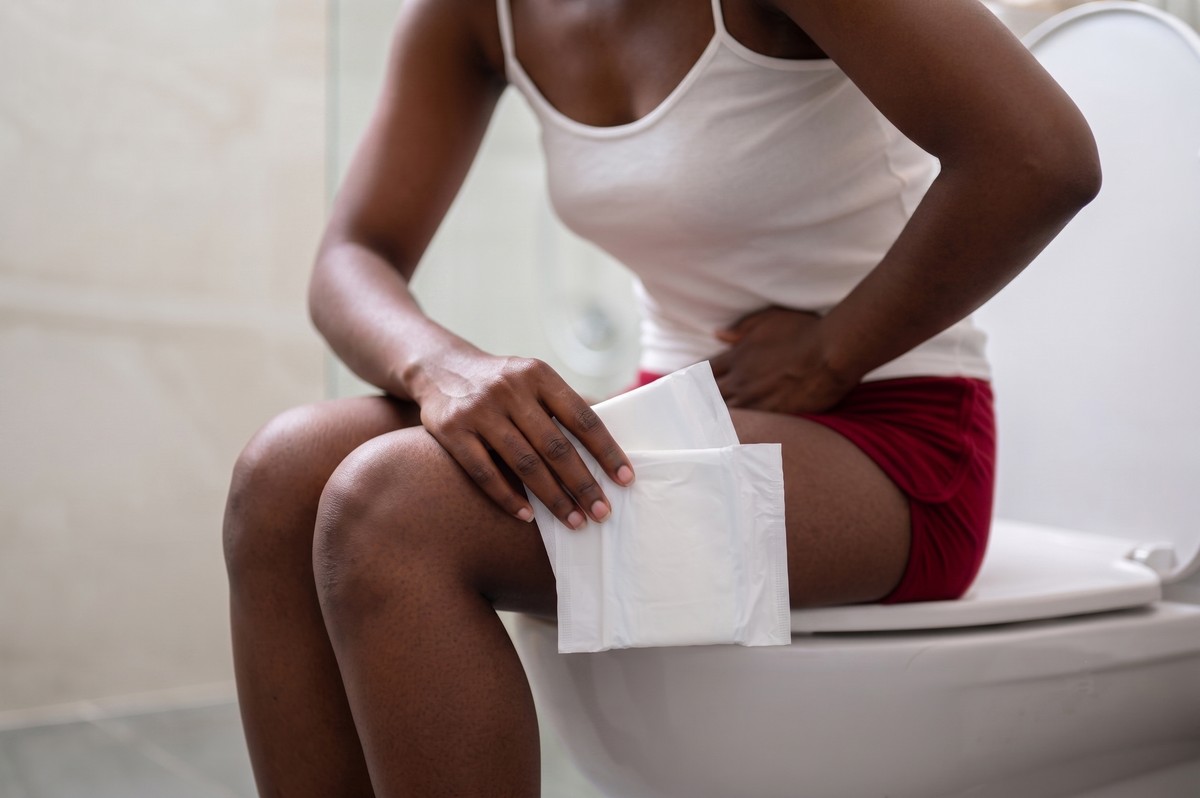
In the weeks after giving birth, you will have a discharge called lochia. This is your body shedding the uterine lining from pregnancy, and it can last for up to two months. It is not a period. Lochia usually starts as a red or pink bleed, then slowly lightens in colour and volume over time. Your actual cycle returns separately, at a point that depends largely on how you are feeding your baby.8
When your cycle typically returns
If you are not breastfeeding, or you are combination feeding, your period can come back as early as five to six weeks after birth. If you are formula feeding, it often turns up by around 12 weeks, though the timing varies from one person to the next.1
If you are exclusively breastfeeding day and night, your period may stay away for several months, or until you feed less or stop. Prolactin, the hormone that drives milk production, also holds back the hormones that trigger ovulation, which is why breastfeeding can delay your period. When feeding shifts, like when your baby starts sleeping through the night, begins solid foods, or feeds less often, your period can come back even while you are still breastfeeding.2
What the first periods back are often like
Your first few periods after pregnancy may feel heavier and less regular, and the cramping can feel stronger or milder than you remember. This is common, and it tends to settle over the next few cycles as your body finds its rhythm again.9
One reason that first period can feel heavier is that the inside of your uterus is slightly larger after pregnancy, so there may be more lining, the endometrium, to shed. That is one possible factor, though your own experience may differ.4
Uneven cycle lengths in the first few months are also normal. Your body is resetting its hormonal signals, and it can take several cycles before a pattern settles.
When to pay attention and seek advice
Some variation in those early periods is expected, but a few signs are worth raising with your GP. Call your GP if you have very heavy bleeding, like soaking through a pad every hour for several hours, or if your period lasts longer than seven days. Passing large blood clots is also a reason to get advice.5
If your bleeding comes with foul-smelling discharge, that can point to an infection and is worth a GP call. If you get a sudden fever, a severe headache, or shortness of breath alongside bleeding at any point after birth, call 999 or go to your nearest A&E straight away. These can be signs of something serious that needs urgent assessment.6
If your period has not come back within three months of stopping breastfeeding, or within three to six months of birth if you are not breastfeeding, it is worth raising with your GP. Periods that stay heavy or painful and get in the way of your day are also worth looking into, since causes like fibroids or thyroid changes are worth ruling out.10
Using your postnatal GP check
A maternal health check with a GP usually happens at six to eight weeks after birth. It is a good moment to raise any questions about your cycle, whether that is bleeding patterns, pain, or contraception. You do not need to wait for something to feel badly wrong before bringing it up.7