
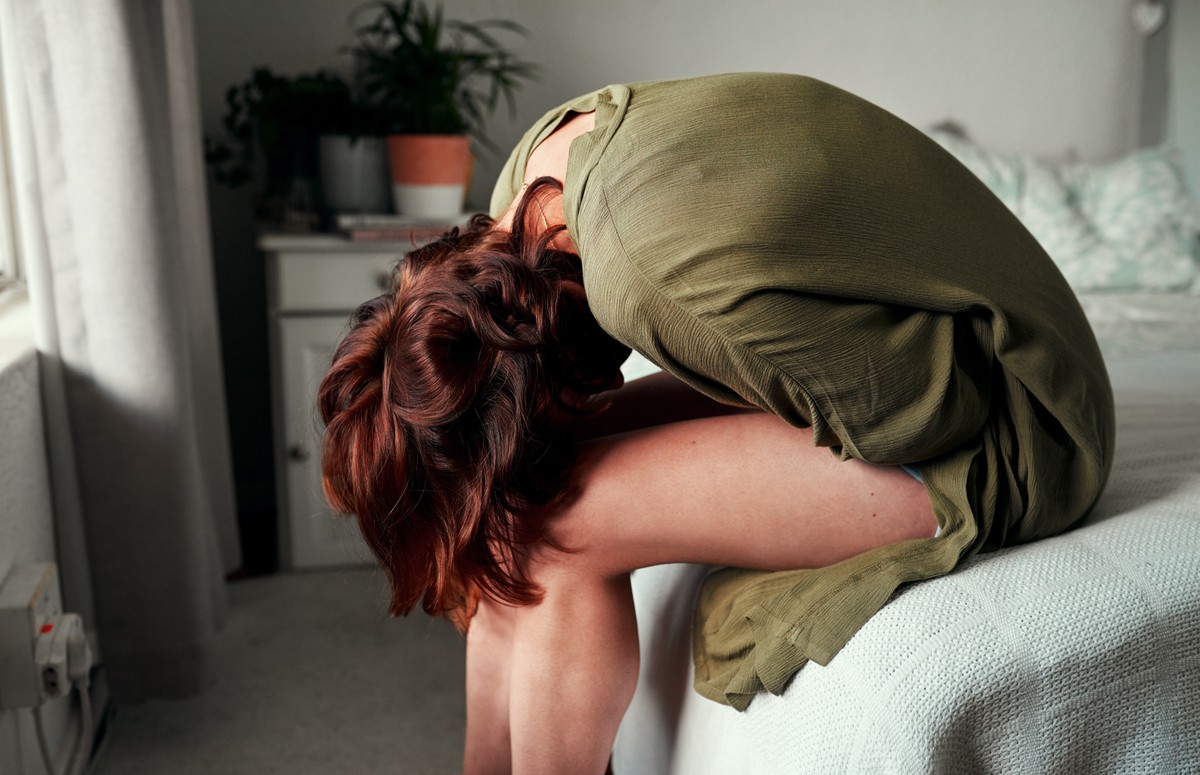
The cramping can arrive early, settle deep in the pelvis or lower back, and refuse to shift with ordinary pain relief. Bleeding can be heavier than you expect, and the exhaustion that follows can be harder to shake than a typical period. Endometriosis impacts your entire wellbeing, not just your menstrual phase. Understanding why the menstrual phase can amplify your symptoms can help you support your body in a way that feels good to you.
Why the menstrual phase feels so much harder with endometriosis
Endometriosis is a condition where tissue similar to the womb lining grows in other places in the body, such as on the ovaries or fallopian tubes. During your period, this tissue responds to the same hormonal shifts as the womb lining.The exact mechanisms behind endometriosis are not yet fully understood, which is one reason it can take time to diagnose and manage.1
Part of what makes the cramping so intense is that the body's response to menstruation runs higher with endometriosis than in a typical period. That helps explain why the pain can be severe enough to stop daily activity and often feels sharper and deeper than you might expect.2
It does not always wait for bleeding to start either. For many people with endometriosis the pain arrives in the days before a period, before any bleeding has begun.3
Why pain patterns vary so much with endometriosis
The most common place to feel pain is in the lower abdomen, pelvis or lower back, and it tends to be worst during your period. But where it sits and what it feels like depends on where in the body the endometriosis is. If it is near the bowel you might notice cramping or changes in how your bowels move during your period. If it is near the bladder, going to the toilet can become painful. These are part of the same condition, which is why it helps to mention all of your symptoms when you see a GP, not just the pelvic pain.4
One of the most important things to understand is that how much pain you are in does not reflect how extensive your endometriosis is. You can have very little endometriosis and significant pain. You can have extensive endometriosis and relatively few symptoms. If your pain has ever been dismissed because a scan looked normal, that dismissal was not justified.5
What shapes your experience includes where the endometriosis is and how deep it goes, whether you have cysts on the ovaries linked to endometriosis, your individual pain sensitivity, and whether bands of scar tissue have formed that cause organs to stick together.6
When bleeding becomes a lot to manage
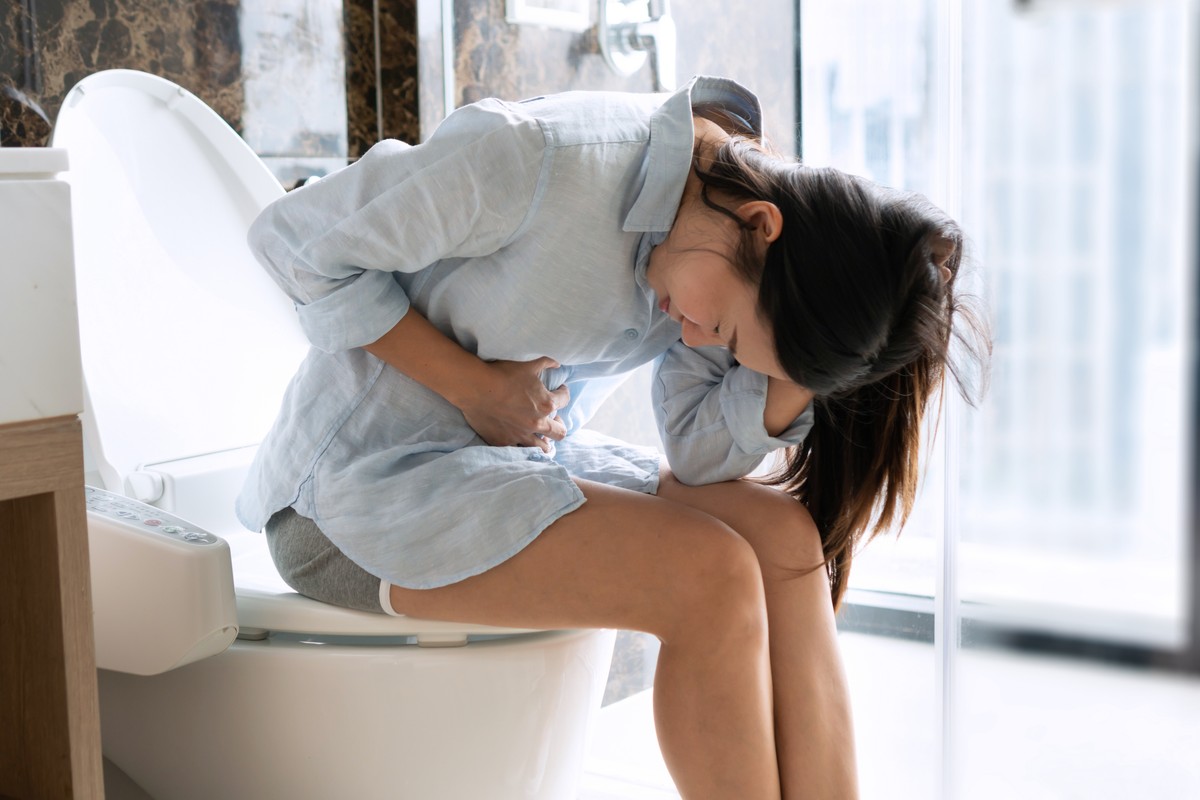
Heavy bleeding is a recognised part of endometriosis. If you are getting through protection far more quickly than feels manageable, or if bleeding is making it hard to leave the house, that is worth raising with your GP.7
When periods are consistently heavy, iron levels can drop over time. That can show up as fatigue, difficulty concentrating, and a low depleted feeling that goes beyond what the period itself explains. It is worth mentioning this alongside your other symptoms at appointments rather than putting it down to just having a hard period.8
Why endometriosis feels so different from person to person
Endometriosis affects around 1 in 10 women and people with a menstrual cycle in the UK, yet how it shows up varies considerably. Because it can develop in many different locations, and because pain sensitivity, scar tissue and ovarian cysts differ between individuals, there is no single pattern that applies to everyone. Everyone's experience of endometriosis is shaped by a different combination of factors, which is why it can look and feel so different from one person to the next.9
It is also worth knowing that diagnosis in the UK takes an average of 8 years from first symptoms. If you have already received your diagnosis you may recognise that delay in your own history. For anyone still navigating the path to a diagnosis, cyclical or non-cyclical pelvic pain, period pain severe enough to affect daily life, or heavy bleeding are all things your GP should be taking seriously.10
What is worth tracking across your cycle?
Keeping track of your symptoms over time builds a picture that is much harder to overlook in an appointment. Useful things to note include:11
- Pain location, intensity on a 0 to 10 scale, and how long it lasts
- The day of your menstrual cycle when symptoms occur
- Bleeding volume, for example the number of pads or tampons used, or menstrual cup capacity
- Any bowel or bladder symptoms that coincide with your period
- The impact on daily activities, including whether symptoms limited your usual daily activities12
This information gives your GP or specialist something concrete to work with. Over time, it can also help you spot patterns that might otherwise feel like isolated bad days.