
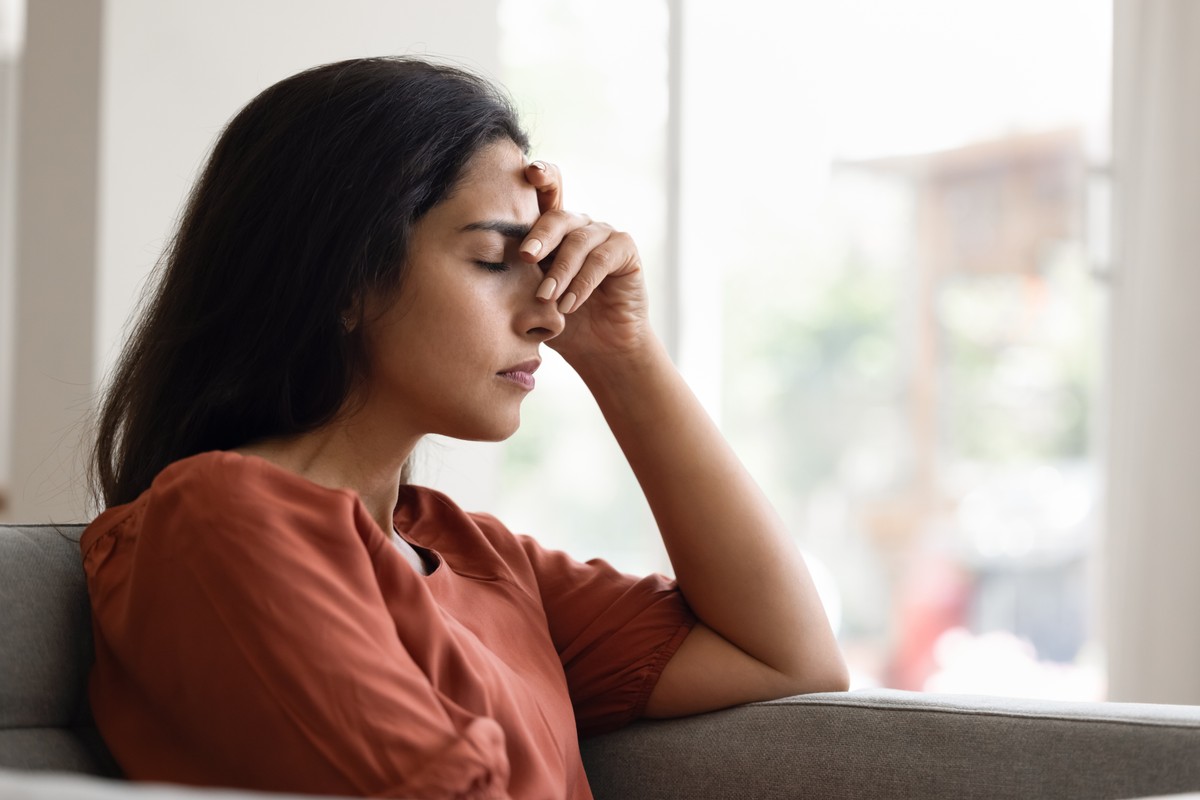
A particular kind of dread can settle in around ten days before your period. A tightness in the chest, a mind that will not quieten, a low hum of something being wrong that you cannot quite name. Then your period arrives, and within a day or two it lifts. Anxiety that tracks your cycle is a known experience, tied to the hormonal shifts of the luteal phase, the stretch between ovulation and your period, and it is different from anxiety that stays with you all month. Understanding that difference, and knowing what helps, can change how you relate to the anxious days in your cycle.
What is cyclical anxiety?
The anxiety that rises before your period is one part of a wider pattern. Premenstrual Syndrome (PMS) covers a broad range of emotional and physical symptoms, including anxiety, irritability, and mood swings, that show up in the weeks before a period and ease within a few days of it starting. This is different from Generalised Anxiety Disorder (GAD), where anxiety is typically persistent. One of the key differences is timing. Premenstrual anxiety tends to follow a cyclical pattern, becoming worse in the one to two weeks before a period and improving after it starts, whereas GAD is not tied to the menstrual cycle. If your anxiety eases reliably once your period begins, that pattern tells you something useful.3
At the more severe end sits Premenstrual Dysphoric Disorder (PMDD), a hormone-based mood disorder where premenstrual symptoms, including intense anxiety and depression, become hard to live with. PMDD needs proper assessment and support. If your symptoms are significantly disrupting your daily life, it is worth speaking to your GP and looking at resources from specialist support organisations.4
Why the luteal phase affects anxiety and mood
Hormonal shifts in this part of your cycle are thought to play a key role in why anxiety tends to climb. Rather than a simple hormonal imbalance, research suggests that some people are particularly sensitive to these natural fluctuations during the luteal phase. The luteal phase is the roughly two-week window between ovulation and the start of your next period. After ovulation, oestrogen and progesterone rise, then fall in the days before your period. That fall tends to trigger the mood symptoms that come with PMS, including anxiety. As oestrogen drops during the luteal phase, levels of serotonin, a brain chemical that helps steady your mood, can decrease as well. At the same time, shifting progesterone levels can contribute to increased stress and irritability125
Current evidence points to a heightened sensitivity in the brain to the normal rise and fall of oestrogen and progesterone. Your hormone levels themselves may be entirely typical. It is the way your brain responds to their movement that brings on the anxious feelings.6
When an existing anxiety condition meets the cycle
If you already live with an anxiety disorder, you may notice the premenstrual phase makes things considerably harder. This is known as Premenstrual Exacerbation (PME). The underlying condition stays present year-round, but its symptoms become much more intense in the days before your period. It differs from PMDD, where symptoms are strictly tied to the premenstrual window rather than representing a flare-up of an ongoing condition.7
Spotting a PME pattern matters because it can shape how your anxiety condition is managed across the month. If you have a diagnosed anxiety disorder and notice a steady premenstrual worsening, raise it with your GP or mental health clinician. Trying to adjust or manage a diagnosed condition on your own during these days is not the way to go. A clinician can help you weigh up whether extra support at certain points in your cycle would help.8
Tracking your cycle to understand your pattern
One of the most useful things you can do is keep a detailed symptom diary across at least two full cycles. Note the date, where you are in your cycle, and the type and severity of your anxiety each day. Over two cycles, a pattern often becomes clear. This diary also gives your GP concrete information if you decide to seek support, which makes it easier to tell cyclical anxiety apart from other mood conditions.9

Practical tools for managing anxiety in the luteal phase
A few everyday changes can help ease cyclical mood symptoms like premenstrual anxiety. Clinical guidance recommends lifestyle measures including regular gentle exercise, eating a balanced diet that avoids sudden sugar spikes, protecting your sleep, and reducing stress through practices like yoga or mindfulness. Keeping up these habits consistently across your whole cycle offers the best chance of smoothing out premenstrual dips.10
Some tools help in the moment too. Breathing exercises switch on your body's calming response and can interrupt the physical pull of anxiety. Setting a dedicated "worry time", where you hold anxious thoughts to a set window rather than letting them run all day, comes from Cognitive Behavioural Therapy (CBT) and is widely used as a self-help tool. Grounding methods, which bring your attention back to physical sensations in the present, can lower the intensity of anxious thoughts when they peak.11
If self-care tools are not enough, and your cyclical anxiety is consistently affecting your daily life, your relationships, or your ability to work, it is worth speaking to your GP. Options a GP may talk through with you include talking therapies such as CBT, available through NHS Talking Therapies, as well as antidepressants (SSRIs) or hormonal contraceptives. These are options, and a clinician can weigh them up alongside your own history and symptoms.12
When to seek support
If your premenstrual anxiety is severe, if it comes alongside other debilitating symptoms, or if it is affecting your ability to function, speak to your GP. They can help work out whether what you are feeling is PMS, PMDD, PME, or something else, and point you towards the right support. You can also find reliable information and peer support through Mind (mind.org.uk) and the International Association for Premenstrual Disorders at iapmd.org.