
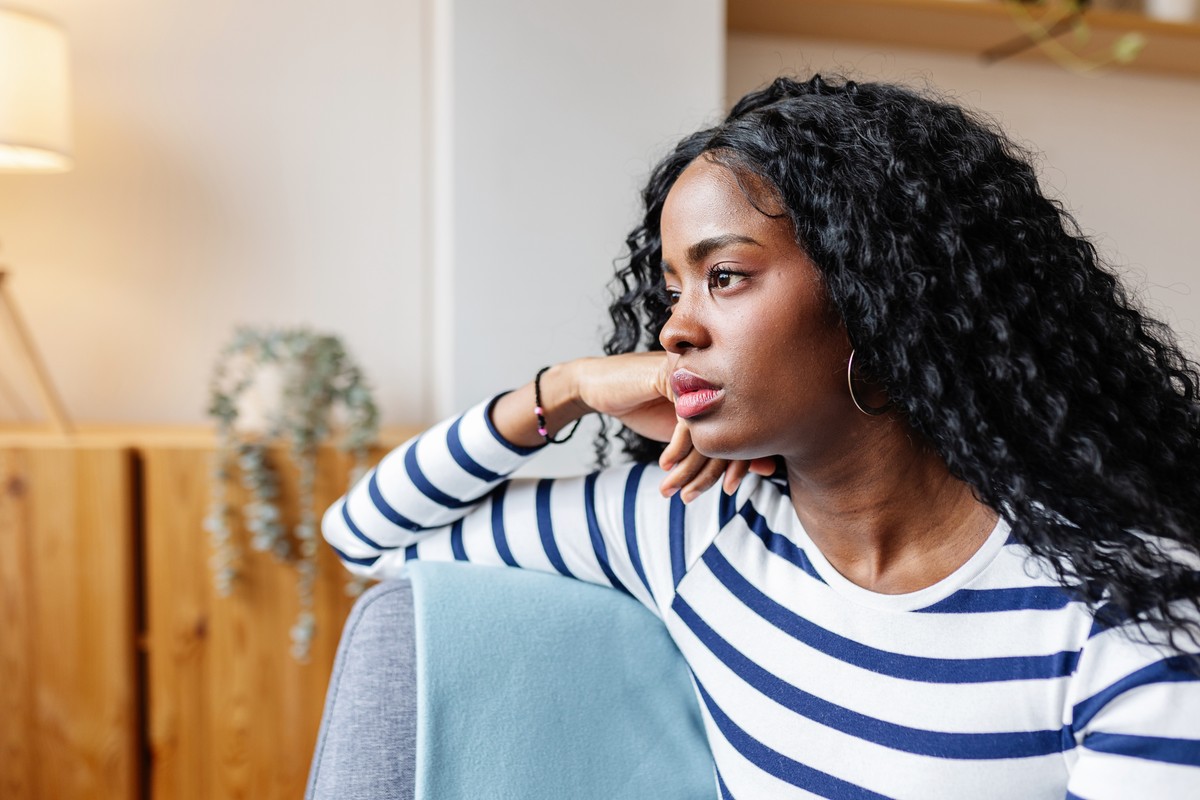
Most people notice that how they feel changes across the month, sometimes in ways that are hard to explain. Those shifts in mood, energy and motivation tend to follow your hormonal cycle more closely than you might expect. Oestrogen and progesterone influence brain chemistry as well as the body, which is why the pattern often becomes easier to recognise once you know what to look for.
These two hormones rise and fall in a steady pattern across your cycle. They sway brain chemicals like serotonin and dopamine, so the shifts you feel in your mood, energy, and emotional sensitivity tend to follow that same rhythm. The link between your hormones, your mood, and your cycle becomes clearer once you can see what happens at each stage, and what counts as everyday variation.
Oestrogen, serotonin, and the first half of your cycle
How you feel from one day to the next is tied closely to your brain chemistry, and your hormones have a hand in that. Oestrogen and progesterone both shape the brain chemicals behind your mood, including serotonin and dopamine. Oestrogen in particular helps keep serotonin available, and since serotonin steadies your mood, the hormonal shifts across your cycle can genuinely change how you feel day to day.1
In the follicular phase, the roughly two weeks from the start of your period to ovulation, oestrogen climbs steadily. As it rises, you may notice more motivation, clearer thinking, and a generally brighter mood. Energy often feels more available, and being social or active can feel easier during this stretch.2
When your period starts, oestrogen drops sharply. That drop can bring tiredness, low energy, and more emotional sensitivity in the first day or two. The physical side of your period and the hormonal dip often land together, which can make the start of bleeding feel heavier in mood as well as in body.3

Progesterone and the second half of your cycle
After ovulation, your cycle moves into the luteal phase. Progesterone rises here, and for some people that brings a sense of calm. Progesterone works on GABA receptors in your brain, the ones that help dial down stress and anxiety, and that may be part of the settling effect you notice.4
Higher progesterone in the luteal phase can also leave you feeling flatter, more sluggish, or more easily irritated. As this phase goes on and both oestrogen and progesterone drop sharply in the days before your period, mood swings can become more noticeable. How strongly it affects you will vary.5
Premenstrual Syndrome and what normal variation looks like
Premenstrual Syndrome (PMS) is the name for the cluster of physical and emotional symptoms, like irritability, anxiety, and fatigue, that show up in the week or two before your period and then ease once bleeding starts. PMS is a normal response to the hormonal shifts at the end of the luteal phase, and it is something many people recognise.6
Everyday cyclical mood change tends to be noticeable but manageable. It follows a pattern tied to your cycle, and it eases once your period arrives. You might feel more emotionally reactive, less motivated, or more tired during this window. These shifts can be uncomfortable, and they sit within the normal range of what your cycle produces.
When these mood changes are worth a closer look
For some people, premenstrual mood changes feel far more intense than this. If yours are severe enough to affect your daily life, your work, or your relationships, that can point to a stronger sensitivity to hormonal shifts than is typical. It is also worth knowing that an existing mental health condition can flare during the premenstrual phase, even when it is otherwise well managed.7
Tracking your mood and cycle
Tracking your cycle alongside your mood over two or three months can help you spot patterns and connect how you feel to where you are in your cycle. It is also useful information to bring to a GP appointment. When cyclical mood symptoms feel unmanageable, your GP can talk through a range of options with you, including lifestyle changes, talking therapies, or medical treatment. Noting when the mood changes start, what they feel like, and how long they last gives your GP a clearer picture to work from.8