

If you live with both PMDD and autism, you may know the particular kind of dread that builds in the week or two before your period. The lights feel sharper, sounds seem to crowd in, and the irritability or low mood arrives with an intensity that can feel impossible to hold. These two experiences are tangled together. When PMDD autism premenstrual symptoms overlap, the luteal phase can become one of the most demanding stretches of the month, and understanding why is a useful place to start.1
What PMDD involves
Premenstrual Dysphoric Disorder (PMDD) is a severe form of premenstrual syndrome (PMS). It brings intense emotional and physical symptoms in the one to two weeks before your period, and they ease a few days after it starts. You already know this part. What gets discussed less often is how much autism can shape that experience.5
How common the overlap is
The estimates vary quite a bit. One small 2008 study suggested as many as 92% of autistic women met the criteria for PMDD, though that came from a limited sample, so it is not representative. A more recent 2022 study found a rate of 14.3% in autistic women, compared with 9.5% in non-autistic women. The figures differ, but the pattern holds: autistic women seem more likely to experience PMDD than non-autistic women.2
Why PMDD autism premenstrual symptoms feel more intense
Much of this comes down to hormonal sensitivity. Oestrogen and progesterone shape brain chemicals like dopamine and serotonin, which affect your mood, your attention, and how you process what is around you. In autistic people, these systems often work differently to begin with, so the hormonal shifts of the luteal phase can hit your mood and senses harder than they otherwise would.6
That sensitivity reaches beyond mood. In the days before your period, autistic traits like sensory differences and difficulty regulating your responses can become more pronounced. Reactions to light, sound, touch, and smell can sharpen, and a space that usually feels fine can suddenly feel genuinely overwhelming.7
When emotional and sensory overload arrive at once
When PMDD and autism land at the same time, the emotional weight can feel heavier than either one on its own. The irritability, mood swings, and anxiety of the luteal phase can make meltdowns or shutdowns more frequent and more intense. Autistic women often describe their whole cycle as a harder, more negative experience, with sensory sensitivity and emotional dysregulation coming up most often. On top of that, the physical side of your period, like cramps or the feel of sanitary products, can add another layer of sensory distress.8
Masking, reduced capacity, and burnout in the luteal phase
Masking is the effort of covering up autistic traits to fit social expectations. In the luteal phase, the hormonal shifts can leave you with less in reserve for masking and for handling social demands. Things you manage easily at other points in your cycle can suddenly feel out of reach. With less capacity to mask, and sensory and emotional distress already running high, you may find yourself pulling back from people.9
Over time, ongoing sensory overload, intense emotional dysregulation, and the constant effort of masking can build toward autistic burnout, a deep, chronic exhaustion that goes well beyond ordinary tiredness. Recognising the luteal phase as a time when you are more stretched is part of managing that risk.310
What can help during the luteal phase
Tracking your cycle is a practical place to start. When you can see the luteal phase coming, you can plan for more downtime, ease off demanding commitments, and build in recovery time before symptoms peak. Cycle-tracking tools can help you spot your own pattern and give you a clearer picture to share with your GP.11
Small adjustments can ease the load during the luteal phase. Protecting your sleep, adding gentle movement, and leaning on calming tools like mindfulness can all take the edge off overstimulation. These are supportive tools rather than treatments for PMDD. Planning real downtime into these days, instead of leaving rest to chance, is especially worth considering.12
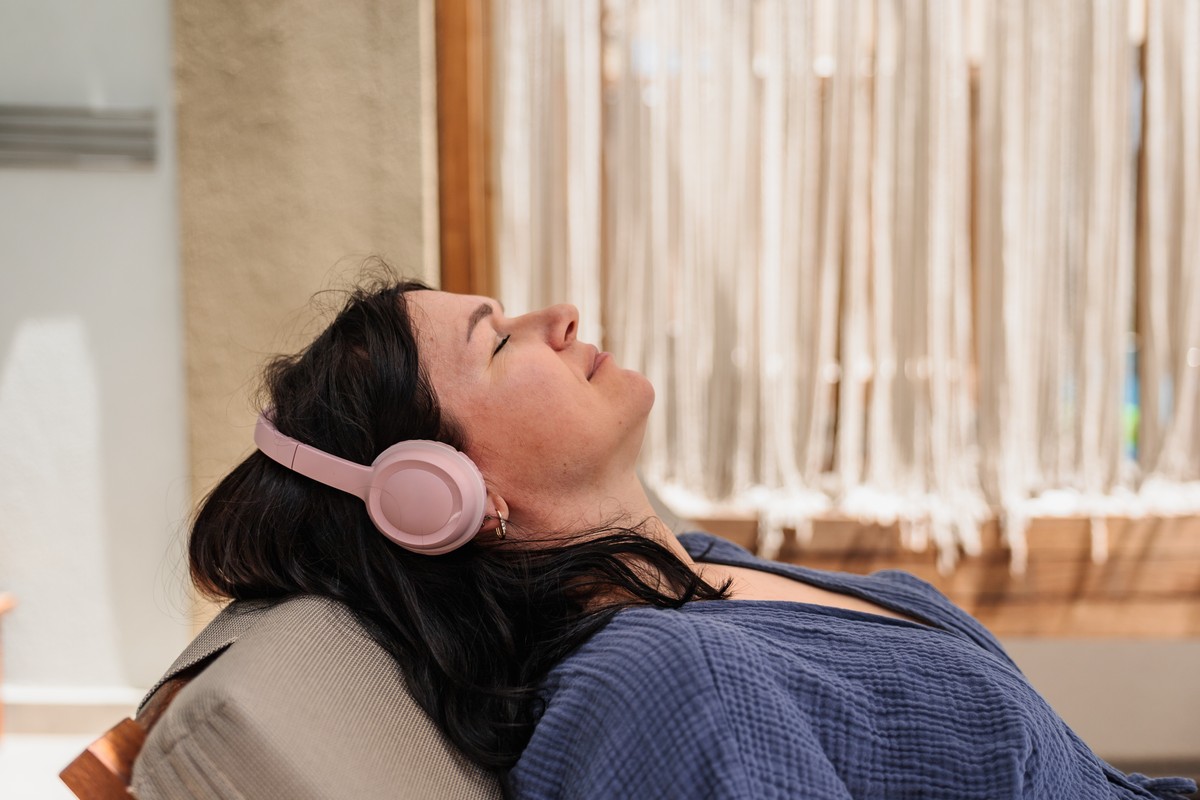
Sensory-friendly self-care can help too. A weighted blanket, noise-cancelling headphones, or heat for cramps, like a hot water bottle, can give you calming sensory input and ease the sense of overload. What they can do is genuinely lower the sensory load of the luteal phase.13
Where professional support comes in
If your symptoms are taking a real toll on your daily life, it is worth talking to your GP. Recognised treatments for PMDD include Cognitive Behavioural Therapy (CBT), a talking therapy that can be adapted to suit autistic needs, along with medication like SSRIs or hormonal contraceptives. Any decision about medication is best made with a GP who knows about both your PMDD and your autism.14
Finding someone who understands both PMDD and autism can take some persistence, especially within NHS referral pathways. Keeping a symptom diary that links your emotional, sensory, and physical changes to your cycle can strengthen your case when you ask for specialist support, and help a clinician see the full picture.4