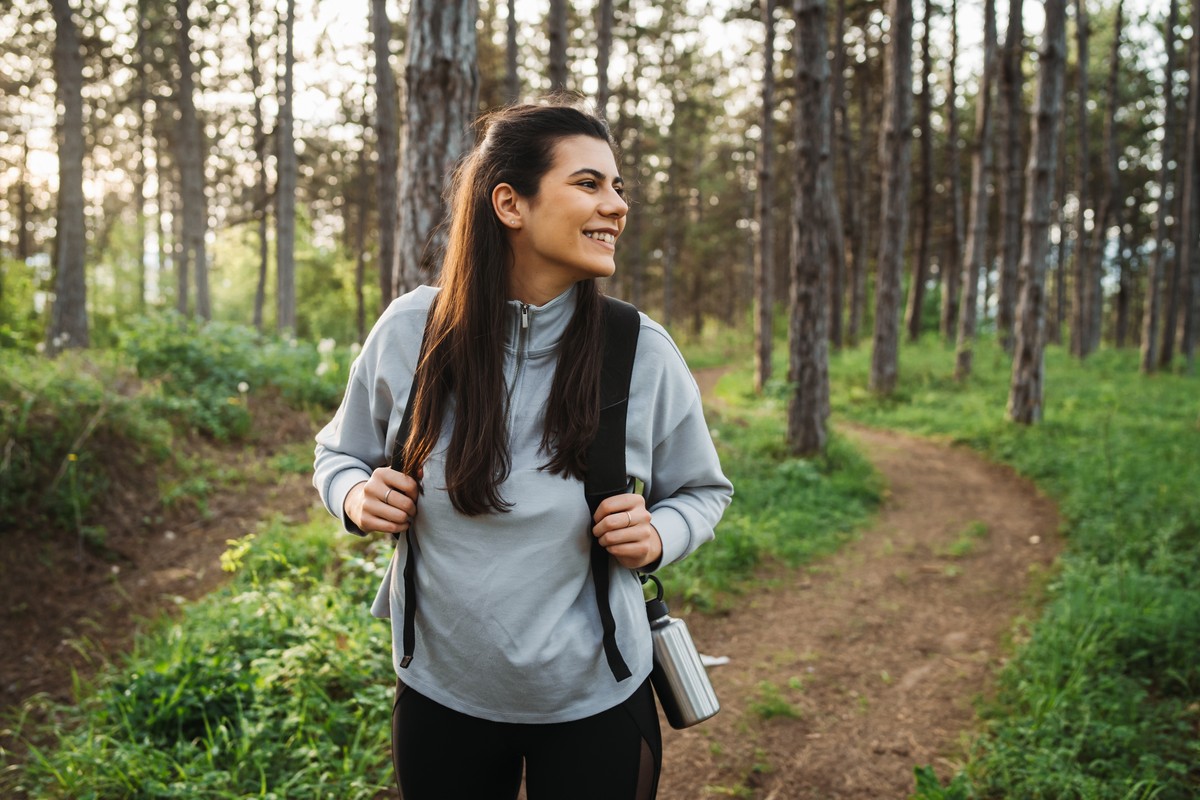
Everyone experiences the start of their period differently. For some, the first day or two brings tiredness, cramping, or a flatness that makes movement feel like more effort than usual. For others, keeping active feels better. Oestrogen and progesterone are at their lowest at this point in the cycle, and many people notice that in their energy and how their body feels. Understanding that can help you make sense of your own experience and choose movement that works for you right now, whatever that looks like4
High-intensity exercise during your period
With oestrogen and progesterone low at this point in the cycle, some people find that harder, higher-intensity sessions feel more draining than at other times. There is also some evidence that vigorous exercise during menstruation may add to discomfort for some people, though this varies. If that is your experience, it is worth knowing it has a physiological basis rather than being a sign of reduced fitness.1
High-intensity cardio, long runs, and intense interval sessions are the kinds of activity some people find harder to sustain during this phase. They can add to fatigue or discomfort, though this varies from person to person. If your usual session feels tougher than normal right now, you are not imagining it.5
What drives the cramping during your period
The cramps that come with your period are largely driven by prostaglandins, hormone-like compounds that prompt the uterus to contract and shed its lining. For some people, gentle movement during this phase can help ease discomfort, partly because movement prompts the release of endorphins. This varies from person to person, and there is no pressure to move if it does not feel right.23
Movement that tends to work well in the menstrual phase
Movement during your period is an option for many people, and some find it feels more supportive than rest alone. The options below are ones that tend to suit lower energy days, though as always, what works is individual to you.
Walking
A gentle walk is low-impact and easy to adjust to however you feel on a given day. You need no equipment, and it can be as short or as long as suits you. Many people find even a brief walk outdoors makes a difference during this phase.6
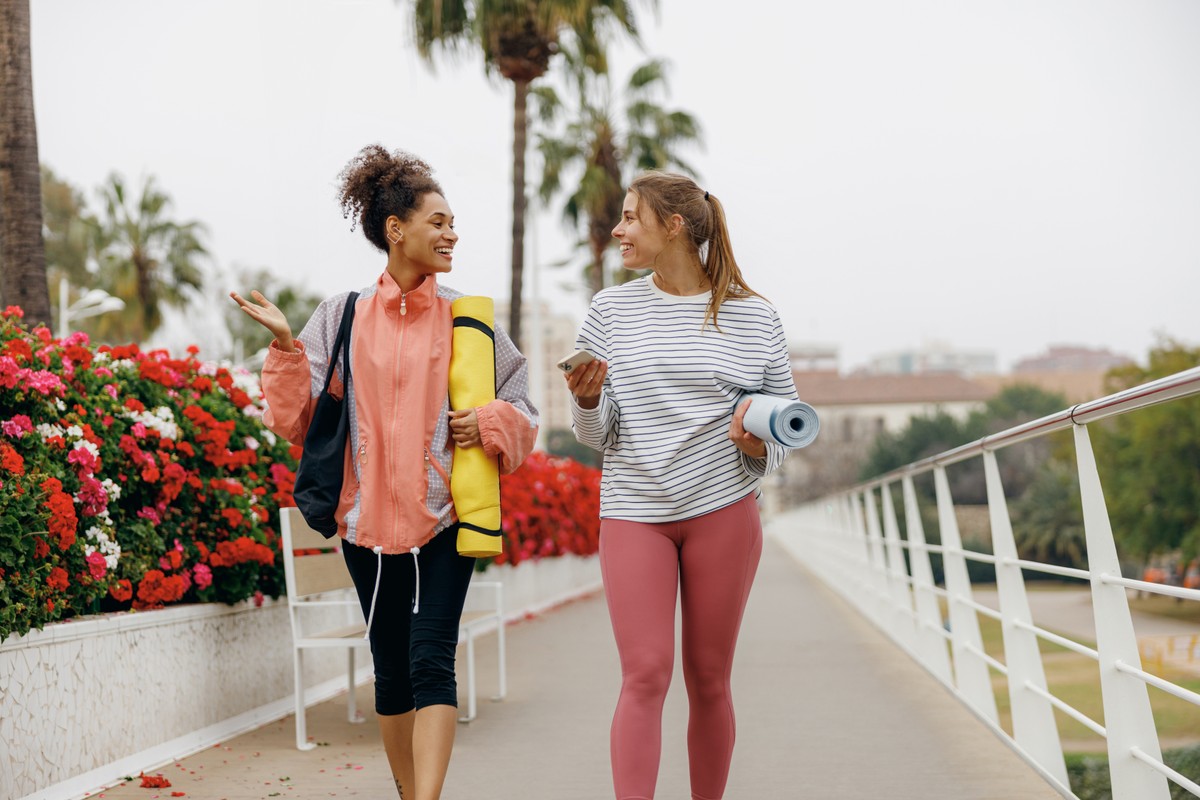
Restorative and gentle yoga
Restorative yoga is a gentle option during this phase. Poses such as Child's Pose and gentle seated twists are ones many people find comfortable and supportive during their period. The aim is space and ease rather than stretching your range. A slow, floor-based practice tends to suit lower energy days more than a fast-moving flow.7
Other restorative options
Gentle stretching, Pilates, and swimming are also options that tend to suit this phase well. They are low-impact and do not ask too much of your body on lower energy days. Pilates works especially well here because it focuses on controlled, low-load movement rather than cardio output.8
Following what your body is telling you
How you feel during your period shifts from cycle to cycle, and there is no fixed rule for what you should do. If fatigue or cramps are heavy, a rest day is a reasonable and fair choice. If discomfort is mild, gentle movement may help more than staying on the sofa. Both are valid responses to what your body is telling you.9
Your period is one part of a wider movement cycle. What feels right here, whether that is a slow yoga session, a short walk, or full rest, is all valid. Many people notice their energy and capacity shift as they move into the follicular phase that follows. Noticing those shifts from phase to phase can help you choose movement that fits how your body feels at each point in your cycle.