
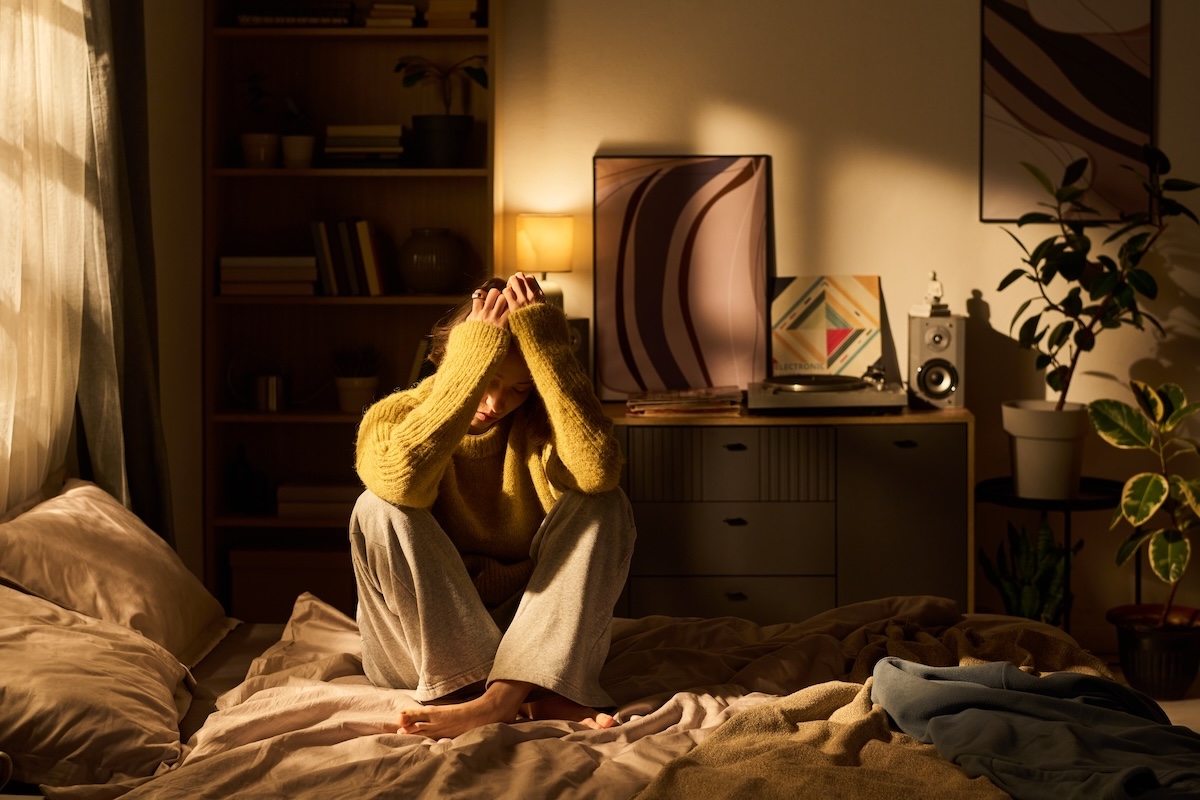
Endometriosis sleep disruption pain has a particular quality that is hard to describe to anyone who has not felt it. During a flare, pelvic pain is one of the main reasons sleep gets so hard to reach, both falling asleep and staying asleep. Some in the endometriosis community call this "painsomnia". It captures these nights well, even though it is not a medical term.3
Why pain and inflammation with endometriosis disrupt your sleep
Endometriosis and sleep tend to feed into each other. Pain and inflammation make it harder to fall asleep, and when your sleep is broken, your body can become more sensitive to pain, so the next flare feels even harder to get through. No single study pins this down, though it is a pattern many recognise when living with the condition.4
Pain is not the only thing that wakes you. Heavy bleeding, the urge to empty your bladder or bowels, and the mental weight of living with a chronic illness can each pull your sleep apart at different points in the night. Any one of them on its own is enough to break up your rest. Several together, especially around a flare, can mean long stretches of broken or missing sleep.5
The fatigue that comes with endometriosis is a real symptom in its own right.6
What can help during a flare?
For pain, paracetamol and non-steroidal anti-inflammatory drugs (NSAIDs) like ibuprofen are usually the first options for endometriosis pain. Follow the instructions on the packet, and check with a pharmacist or GP if you are unsure, since NSAIDs do not suit everyone. They are one part of a wider approach to managing pain rather than a fix on their own.7
Heat is one of the most common things to reach for on a painful night. A hot water bottle over your lower abdomen, or a warm bath before you settle down, can ease some of the discomfort and help your body relax. It is a low-risk way to find some comfort when the pain is keeping you up.8
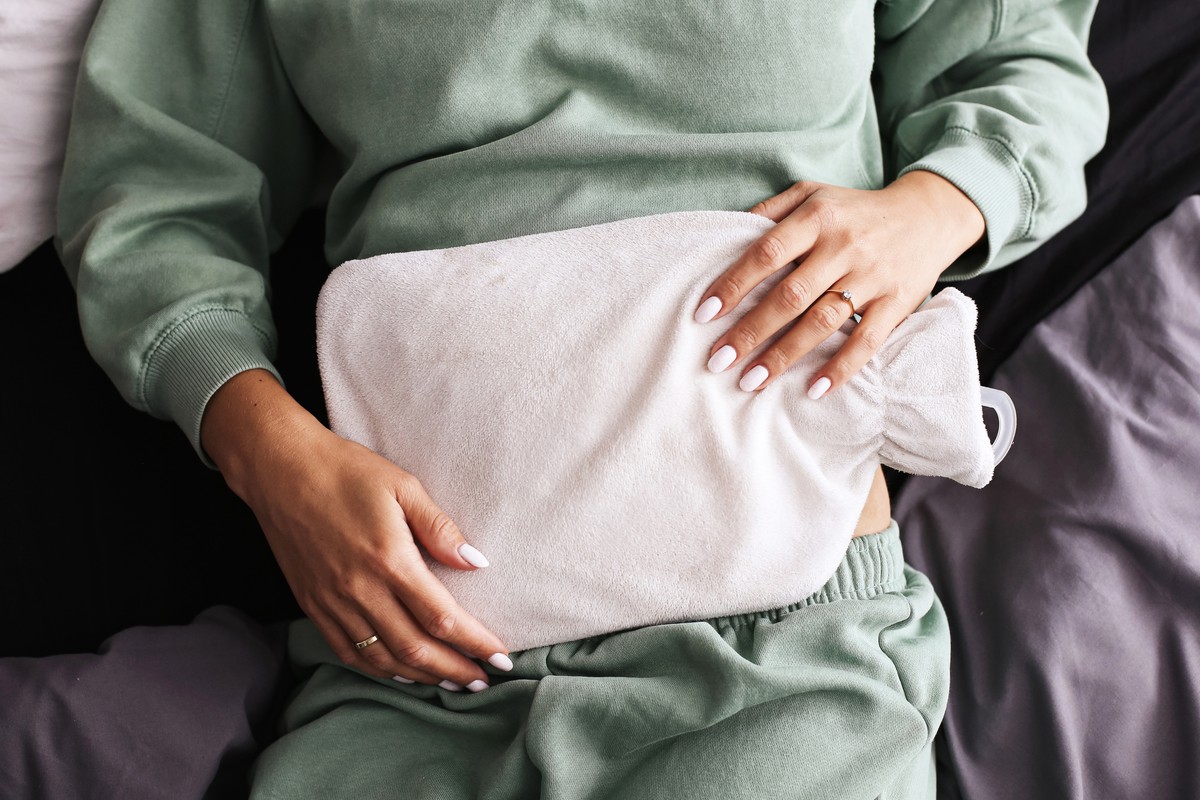
How you lie can also change how much pelvic pressure you feel. Lying on your back with a pillow under your knees, or on your side with a pillow between your legs, are positions many find ease the discomfort. They are worth experimenting with to see what settles your body best.9
The usual sleep habits still help here. Keeping heavy meals, caffeine, and alcohol out of the hours before bed can cut down on extra disturbances and may ease the digestive symptoms that sometimes come with endometriosis. Adding gentle, low-impact exercise (such as light movement, walking, or gentle stretching) can also make a difference. Regular physical activity is recognised by patient guidance and clinical research as a practical lifestyle measure to help relieve pain, support emotional wellbeing, and improve overall quality of life.1210
Pacing the day after a difficult night
When a flare has cost you a night's sleep, the day after can feel like running on nothing. Pacing is a way of balancing activity and rest that is used widely in chronic illness. The idea is to avoid the pattern of pushing hard while you have the energy and then crashing completely. It means spreading your effort out more evenly.11
In practice, that might look like spreading demanding tasks across the week instead of bunching them together, breaking bigger jobs into smaller steps with rest in between, and taking a short break before you hit the point of exhaustion rather than once you are already running on empty. The aim is to work with your energy.12