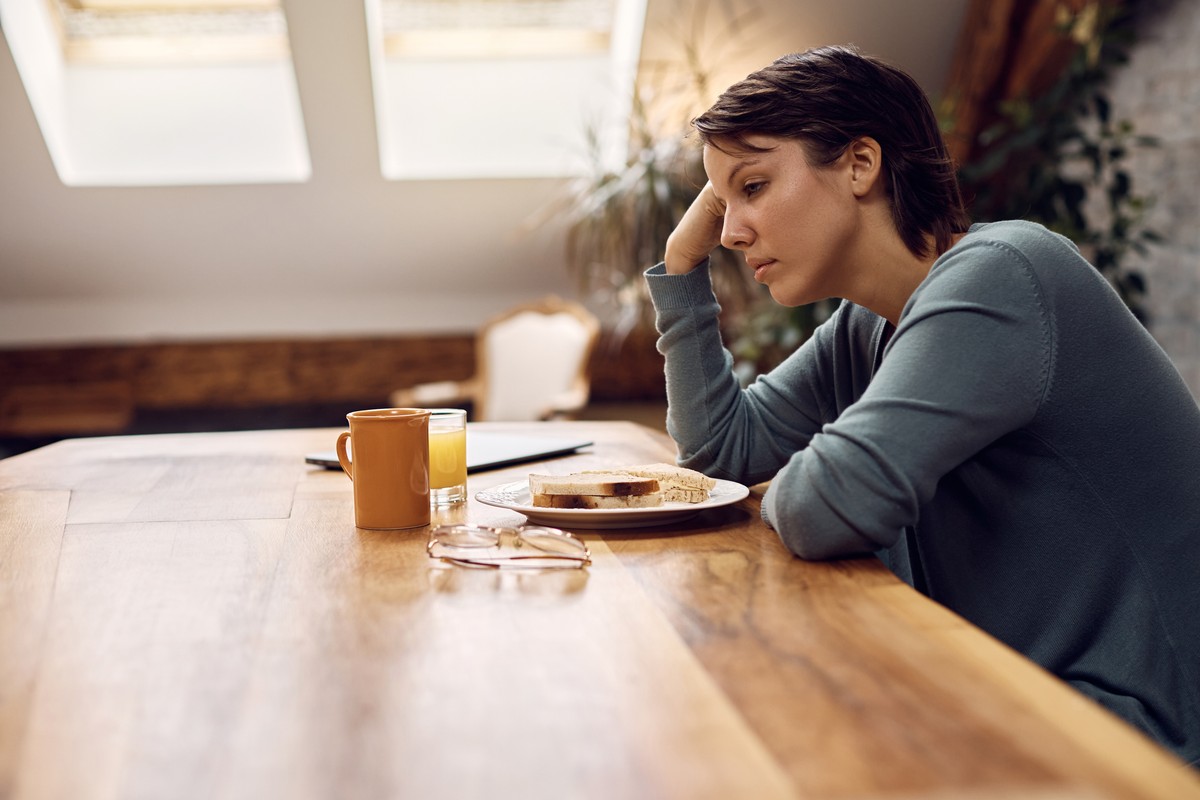
A broken night can affect more than just your energy the next day. Many people notice changes in appetite, cravings, and motivation after disrupted sleep, and those things are connected. Understanding what is happening can help make sense of why a bad night often feels like it ripples into the rest of the day
What poor sleep does to your appetite
When sleep is disrupted, appetite can climb and cravings for sweeter or more energy-dense foods are something many people notice. Part of this is down to how tiredness affects decision making and the way your brain responds to reward, making quick-fix foods feel more appealing than usual. Tiredness can also affect cortisol, a stress hormone, in a way that adds to those cravings. Together these responses help explain why the pull towards certain foods after a broken night can feel stronger than usual. 1
Why cravings increase after a bad night
When sleep is disrupted, many people notice their appetite shifting and cravings for sweeter or more energy-dense foods feeling stronger than usual. Part of this seems to be connected to how tiredness affects the way your brain weighs up choices and responds to reward, making quick-fix foods feel more appealing in the moment. It is a common experience after a broken night, and recognising it for what it is, a response to tiredness rather than a lack of willpower, can take some of the pressure off.2
The energy cost of disrupted sleep
When sleep problems carry on, you can feel tired all the time. That tiredness often shows up as trouble concentrating, irritability, low motivation, and a sluggishness that makes the day harder to move through. If these stick around for you, it is worth speaking to your GP.5
Low energy also shapes what you do, which can add to the effect. When you are tired, you are less likely to move much or to feel up to cooking, so quick, high-energy foods start to look more appealing. This sets up a loop where tiredness drives food choices, and those choices feed back into your energy and your sleep.6
How poor sleep affects the way your body processes food
Poor sleep can also lower your insulin sensitivity, which means your body gets less efficient at handling glucose, the sugar from your food. This can happen after even one night of short sleep. When blood sugar is handled less smoothly, your energy can swing, and that swing tends to feed back into cravings and tiredness.7
Recognising the pattern
Understanding the biology behind poor sleep, appetite, and energy cravings can help you spot the pattern when it shows up. The hunger, the pull towards certain foods, and the tiredness after a broken night all have a physical basis. Noticing them is the first step to working with them. If sleep problems are ongoing or affecting your daily life, your GP is a good first point of contact.