
If your sleep feels lighter, more broken, or harder to come by in the days before your period, your cycle may be part of what is happening. After ovulation the luteal phase begins, lasting around 12 to 14 days before your next period. For some people, the hormonal shifts of this phase bring PMS symptoms such as anxiety, mood changes, bloating, or headaches, and those can affect sleep. These are some practical habits worth trying during this window.1
Keeping your bedroom cool enough to sleep
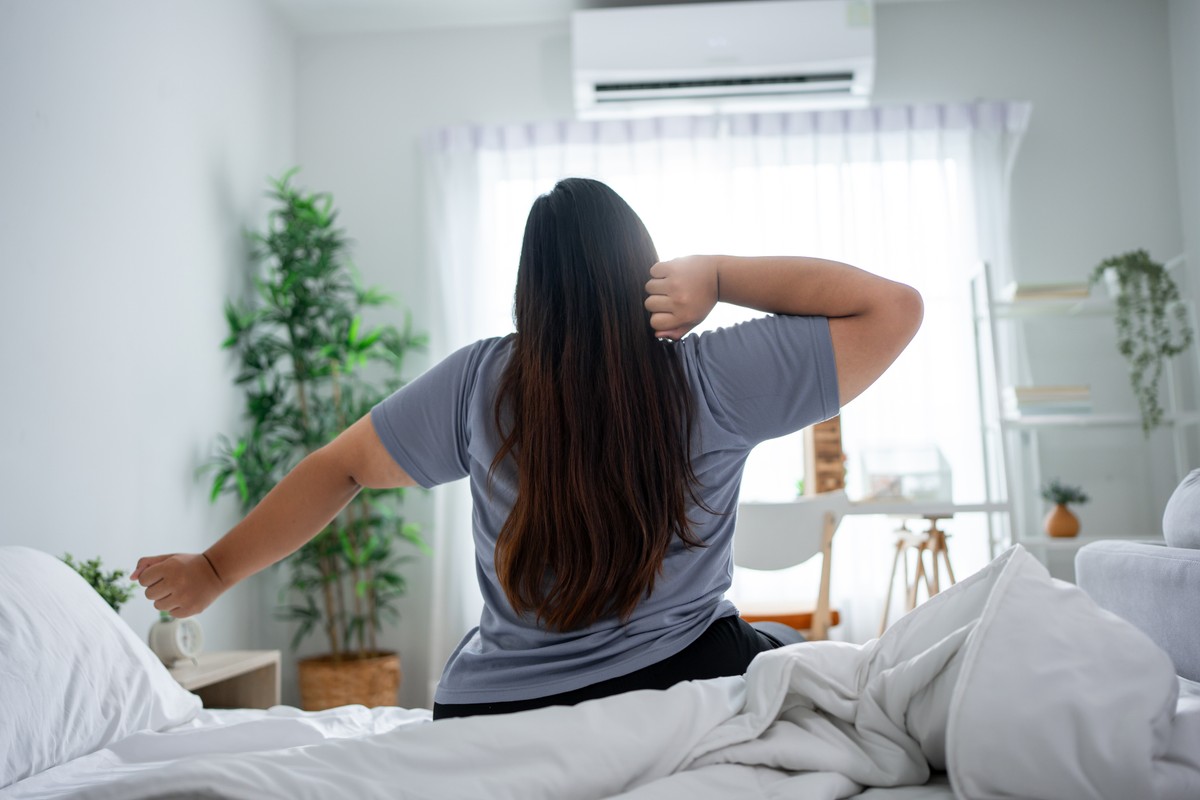
Keeping your bedroom cool is one of the more straightforward changes you can make. A lighter duvet, an open window, or a fan can all help. A warm bath or shower around 60 to 90 minutes before bed can work too. As your body cools down afterwards, that drop can signal it is time to rest.3
Screen time
Scrolling in bed can make it harder to wind down. Phones and tablets emit blue light, which some research suggests can affect melatonin, the hormone involved in regulating your sleep-wake cycle. Putting screens away at least an hour before bed is a simple habit worth trying, particularly in the luteal phase when sleep may already feel less settled for some people4
Building a wind-down routine
A steady wind-down routine and a regular sleep schedule, kept as consistent as you can even at weekends, can help keep your body clock on track. In the days before your period, a predictable evening sequence can give your mind a reliable cue that sleep is coming. It does not need to be elaborate. Dimming the lights, reading, gentle stretching, or a calming drink can all be part of it5
What you eat and drink in the hours before bed matters too. Large meals, caffeine, and alcohol close to bedtime can act as stimulants and unsettle your sleep. Skipping these in the evening is a simple change with a real effect, especially when your sleep is already more easily disrupted.6
Magnesium-rich foods and rest
Some people find that including magnesium-rich foods in the evening feels helpful during the luteal phase. Leafy greens, almonds, bananas, and dark chocolate all contain magnesium. Responses vary from person to person, and a varied diet that includes these foods is unlikely to do any harm. It may be worth noticing whether it makes a difference for you.7
What to do when sleep still does not come
Lying in bed trying to force sleep often makes it harder. If you have been awake a while and sleep feels out of reach, getting up, moving to another room, and doing something quiet and calming until you feel sleepy can help. Going back to bed only when you feel ready, rather than lying there alert, makes it less likely your brain starts to link bed with being awake and frustrated.8
Tracking your cycle to understand your own pattern
Tracking your premenstrual symptoms across at least two cycles, including your mood, physical sensations, and sleep quality, can help you spot your own pattern. Once you know your sleep tends to shift in the days before your period, you can plan around it rather than be caught out. You might protect your evenings more carefully during that window, ease your expectations, or simply note a difficult night instead of reading too much into it.9