

If you have endometriosis, the menstrual phase often carries its own particular intensity. Pain that spreads into your lower back or pelvis, exhaustion that arrives before your period has properly started, and discomfort that holds for days rather than lifting are all common patterns. During your period, the endometrial-like tissue outside your uterus responds to the same hormonal shifts driving your bleed. It breaks down and bleeds, but because it has nowhere to go, inflammation builds. This is why the menstrual phase is often the most demanding window of the cycle, and why the pain tends to last longer and feel heavier than period pain without endometriosis.1
Why endometriosis symptoms peak when bleeding is heaviest
The pain low in your abdomen, pelvis, or back tends to build during your period. It can start a few days before bleeding begins and peak when your flow is heaviest, though the exact pattern shifts from one person to the next. The timing follows your hormones. Each time the endometrial-like tissue outside your uterus responds to falling progesterone and rising prostaglandins, the natural compounds that drive inflammation and cramping, the pain ramps up with it.2
Other symptoms can ramp up in the same window. You may notice pain when you pee or during bowel movements, nausea, constipation, diarrhoea, or heavier bleeding than usual. These can overlap with other conditions, so it is worth raising them with your GP if you have not already, or if they are getting worse.3
The fatigue during a flare runs deeper than tiredness from broken sleep. Ongoing pain, inflammation, shifting hormones, and heavy bleeding can stack up and leave you wiped out. Heavy bleeding can also pull your iron levels down over time, which deepens the fatigue further. If you think your iron might be low, speak to your GP before trying any supplement. This needs a blood test and proper guidance first.4
What nutrition can support you during a flare
You may find that what you eat shifts how you feel during a flare. There is limited high-quality evidence on diet as a treatment for endometriosis, and no single eating pattern has been proven to control symptoms. The approaches below are here as information rather than treatment, and any big change to how you eat is worth talking through with a healthcare professional first.
Anti-inflammatory foods
An eating pattern close to a Mediterranean style is often suggested if you have endometriosis. It leans on oily fish like salmon or mackerel, which are rich in omega-3 fatty acids, along with plenty of fruit, vegetables, nuts, and seeds. If you eat plant-based, you can get omega-3 from walnuts, flaxseed, chia, and rapeseed oil. These foods may help calm the inflammation that drives endometriosis pain, though the evidence is still building.6

How fibre helps your body process oestrogen
Fibre from whole grains, fruit, vegetables, and legumes may help your body process and clear oestrogen, which matters because oestrogen drives the endometriosis process. If you are building up your fibre, do it slowly. A sudden jump can worsen the bloating and gut symptoms that often come with a flare.7
Foods some people choose to limit
You may find that cutting back on red meat, alcohol, caffeine, and ultra-processed foods during a flare takes the edge off your symptoms. These can feed inflammation or nudge oestrogen levels, though how much they affect you varies. There is no need to cut them out completely. It is more about noticing whether any of them seem to worsen how you feel around your period.8
Managing bowel symptoms during a flare
Endometriosis often brings bowel symptoms that look a lot like IBS (Irritable Bowel Syndrome). If bloating, cramping, or unpredictable bowel habits are a big part of your flare, approaches used for IBS may give you some relief. A low FODMAP diet is one recognised option for IBS-type symptoms, but it needs the supervision of a registered dietitian to do safely and well. It is not something to attempt on your own.9
Movement during a menstrual phase flare
When pain is high, the instinct is usually to stay completely still. Gentle movement can still be genuinely useful. Moving your body prompts the release of endorphins, your natural pain-relieving chemicals, and it can also lift energy, ease stress, and help you sleep. Over time, regular activity may help moderate your oestrogen levels too, though that sits more in the long term than in the middle of a flare.10
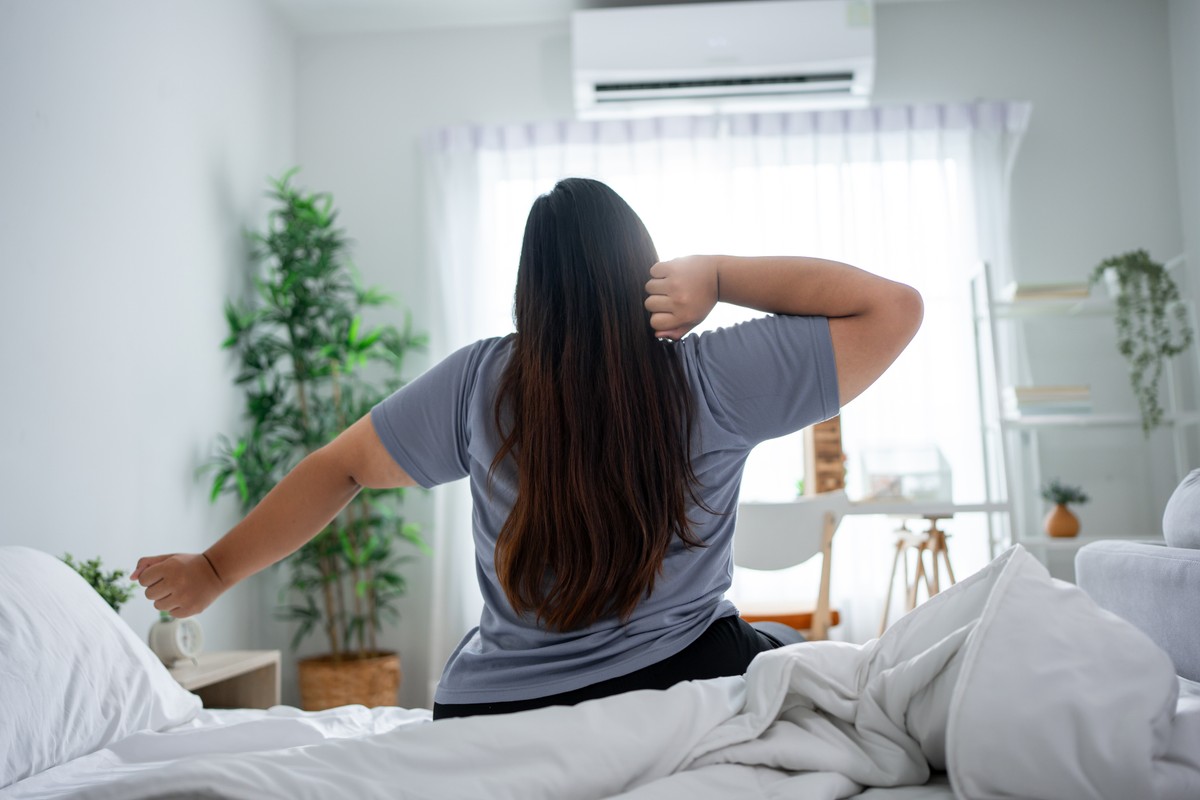
During a flare, low-impact movement tends to suit best. Walking, swimming, yoga, and Pilates all fit this phase well. Yoga and Pilates in particular can help strengthen or gently release tense pelvic floor muscles, which often add to the pain you feel during a period. Gentle spinal twists and hip stretches can ease lower back pain and help the muscles around your pelvis work more comfortably.11
Pacing through the menstrual phase
Pacing is a self-management approach used in chronic pain and fatigue. The idea is simple: break activity into manageable amounts and balance them with planned rest, instead of doing as much as you can on a good day and then crashing. This is sometimes called avoiding the 'boom and bust' cycle, where pushing too hard on a better day brings more pain and exhaustion in the days that follow.12
The first step is finding your baseline: the amount of an activity you can do consistently without making your pain or fatigue much worse. That baseline is where you start from, and you can build on it. From there, you add activity in small, planned steps over time. Progress is rarely a straight line, and flare-ups along the way are a normal part of managing a long-term condition.13
If your symptoms are severe, working with a GP or pain specialist to find your baseline can help you get the approach right from the start.
Heat therapy and TENS alongside pacing
Pacing works alongside your other pain tools. A hot water bottle or warm bath can help relax tense pelvic muscles during a flare. If you use a hot water bottle, wrap it in a cloth before it touches your skin to avoid burns, especially if pain has changed how sensitive that area feels. A TENS (Transcutaneous Electrical Nerve Stimulation) machine is another option that some find helpful for easing pain.14
If your menstrual phase flare symptoms are severe, getting worse cycle on cycle, or feel unmanageable with self-management alone, raise this with your GP. There are effective treatments beyond what you can do at home, and your GP can refer you on. If your pain comes with symptoms you have not yet talked through with a clinician, including bowel or bladder pain, book an appointment to get those checked.