

When your period comes back after pregnancy loss, the cramping and the bleeding can land harder than you expected. It can arrive without much warning, a physical reminder of everything your body has been through, and carry a weight that goes far beyond the physical. If that moment caught you off guard, or if you are simply looking for honest information about what your body is doing and why, this is for you. What follows is a straightforward look at what to expect when your cycle returns after miscarriage or pregnancy loss, with some acknowledgement of the emotional side that so often goes unspoken.
When your cycle is likely to return after pregnancy loss
Your first period usually returns somewhere between four and eight weeks after a loss. If your cycles were regular before the pregnancy, it tends to fall closer to the four to six week end of that range. It can be shorter or longer than this, and that on its own does not mean something has gone wrong.1
How soon it comes back depends largely on how quickly your pregnancy hormone levels settle. One of these, a hormone called hCG, needs time to drop back to where it was before the pregnancy. How far along you were can play a part too. Your body is not on a fixed schedule, and some variation is to be expected.2
What your first period after loss may be like
Your first period is likely to feel different from your usual cycle. It can be heavier, more painful, and last longer than normal. After surgical management, you may find it lighter and shorter instead. There is no single version that counts as standard here, and your experience will be your own.4
Stronger cramps are common. You may also notice small blood clots or tissue, which can be unsettling to see but is not usually a cause for concern. It is worth knowing, though, that if you are soaking through more than one sanitary towel an hour, or if you develop a fever or notice any foul-smelling discharge, you should seek medical attention promptly.5
Bleeding after a loss can carry on for up to two weeks, and tummy pain may continue for a few days. While your body is still healing, sanitary towels are a safer choice than tampons, as they lower the risk of infection.6
Why your cycle may be irregular for a while
Irregular periods are very common after pregnancy loss. Your body has been through a significant hormonal shift, and it can take a few months before your cycle settles into a more predictable pattern. This is not unusual, and it does not necessarily point to anything that needs treatment.7
A few things feed into this unpredictability. Your hormones need time to return to their pre-pregnancy levels. Your uterus needs time to heal. And the emotional stress of the loss itself can disrupt the hormonal signals that regulate your cycle. These factors tend to overlap rather than work separately.8
If your cycles were irregular before the pregnancy, they are likely to stay that way. If they were regular before and have not returned to a recognisable pattern after several months, it is worth raising with your GP.9
The emotional dimension of a returning cycle
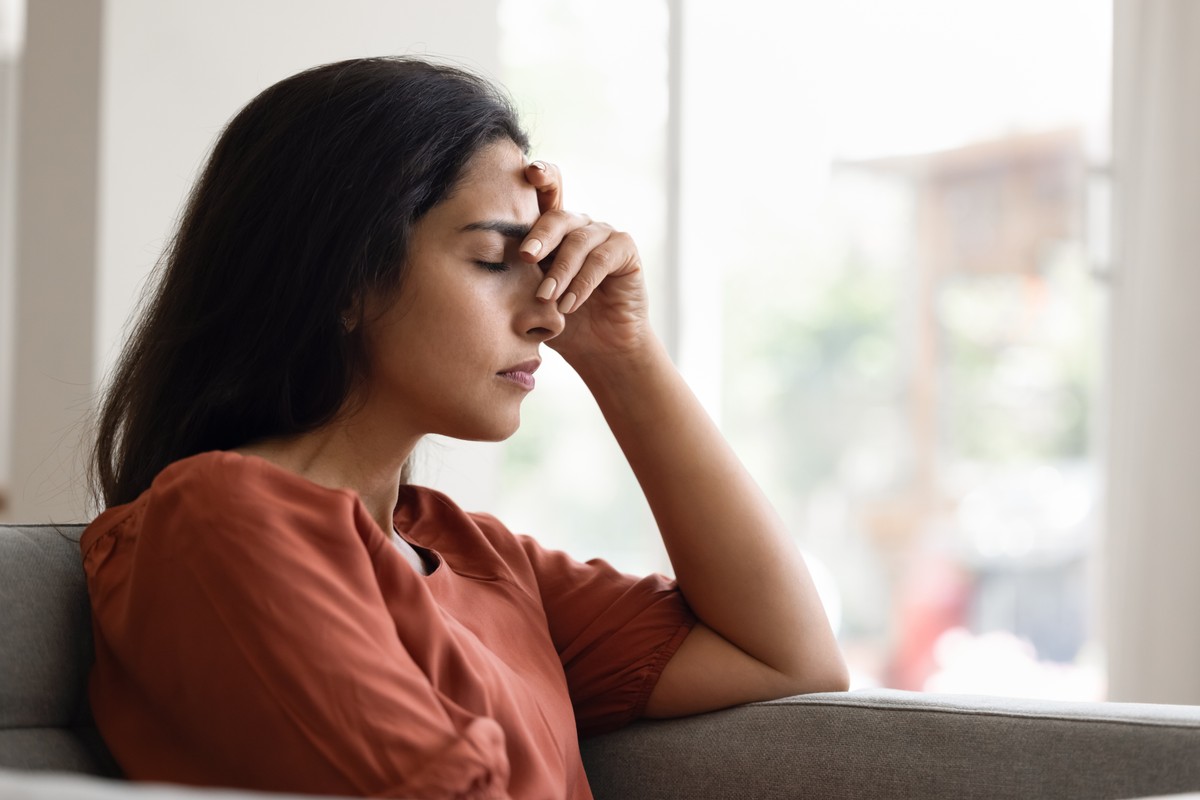
The return of your period can land as a significant, difficult milestone. Bleeding again can be an upsetting reminder of the physical loss, and it can bring anxiety, panic, or distress. It can also feel like a sharp reminder of no longer being pregnant.10
The feelings you have around this will be your own. Grief, sadness, and frustration are all understandable. For you, the return of a period might feel like a step toward physical recovery. For someone else, it reopens something that was only just beginning to settle.11
Anxiety and low mood are common after pregnancy loss, and these feelings can stay with you beyond the first few weeks. The hormonal shifts around your first period can add to that. If you are struggling emotionally, reaching out for support is a reasonable and important next step.12
Keeping track of what is normal for you
Over the coming months, your cycle will gradually show you what your new baseline looks like. Noting the length, heaviness, and timing of your periods can help you and your GP see whether things are settling as expected or whether more support would help.
If your period has not returned within eight weeks, if you have concerns about the physical symptoms you are noticing, or if your emotional wellbeing is being significantly affected, speak to your GP. You do not need to wait until things feel urgent to reach out.