
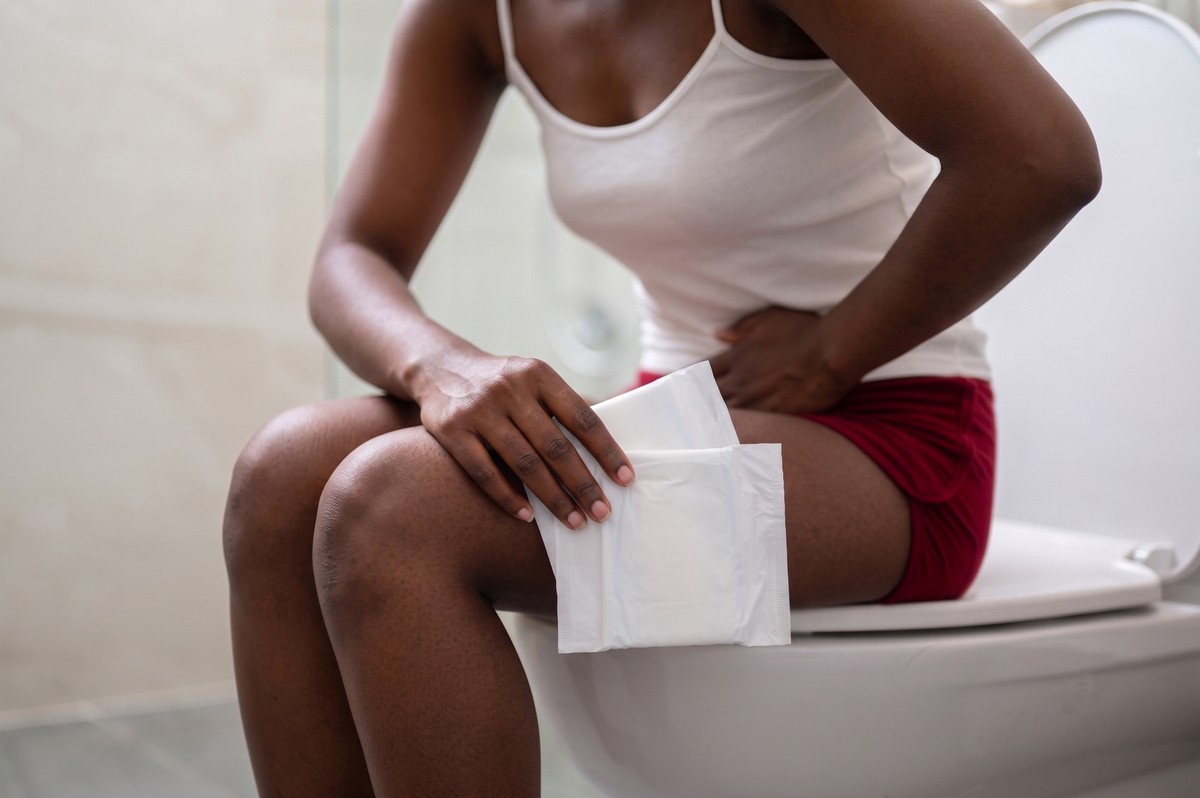
If you have noticed the same itching or unfamiliar discharge appearing at the same point in your cycle each month, there is likely a reason for it. The hormonal shifts across your cycle change the conditions inside the vagina, and once you understand how that works the pattern starts to make more sense. Vaginal health and the menstrual cycle are more closely connected than most people realise.
How your cycle affects vaginal health
Your vagina maintains a natural balance that shifts across the month in ways most people are never told about. The bacteria that keep things healthy thrive when oestrogen is higher, which tends to be in the first half of your cycle. That is when the environment inside is most stable and most protective against infections like thrush and BV.3
Around ovulation you might notice more discharge than usual, clear and stretchy in texture. This is completely normal and just reflects where you are in your cycle.5
Discharge changes throughout the month in colour, consistency and volume. On its own that is nothing to worry about. If itching, burning or an unfamiliar smell comes with it, that is worth mentioning to your GP.6
Why BV tends to appear around your period
Bacterial vaginosis, known as BV, is the most common cause of unusual vaginal discharge in the UK. During your period, blood temporarily changes the natural balance inside the vagina, and that shift creates conditions where certain bacteria can grow more than usual. If you tend to notice a thin greyish-white discharge with a fishy smell, this is most likely why.1
BV is not a sexually transmitted infection. It can happen even if you have never had sex, though having new or multiple partners can increase the likelihood of BV because sexual activity introduces new bacteria that can affect the natural balance, even when no infection is present. If you think you might have BV, a GP, pharmacist or sexual health clinic can confirm it. Treatment is straightforward and usually involves a short course of antibiotics, either as tablets or a vaginal gel. It is worth getting it confirmed before treating rather than assuming.7

Why thrush is most likely in the week before your period
The itching and thick white discharge that come with thrush are caused by an overgrowth of a yeast called Candida, which lives naturally in the vagina in small amounts. It is not a sexually transmitted infection. You may notice it most in the week before your period, when hormone levels shift in a way that can make conditions more favourable for yeast to grow. The exact reason is not fully understood but the pattern is well recognised.9
For a straightforward case, treatment is available without a prescription. A clotrimazole pessary or cream from a pharmacy is usually the first option. Fluconazole, which comes as a tablet, is also available from a pharmacy without a prescription if you are aged 16 to 60, not pregnant, and have had a confirmed episode before. A pharmacist can help you work out what is right for your situation.10
If thrush keeps coming back four or more times a year it is worth seeing a GP rather than continuing to treat it yourself. There are longer term management options available and a GP can help work out what is causing the pattern.11
Why UTIs can follow your cycle
Oestrogen plays a role in keeping the urinary tract healthy and helping protect against infection. When oestrogen is lower, which tends to happen during your period, the urinary tract can become more vulnerable. This is one reason UTIs sometimes follow a pattern linked to your cycle.12
Staying well hydrated, urinating after sex, and wiping front to back are all simple habits that can reduce the likelihood of a UTI. If you do get one, a GP or pharmacist can advise on treatment.13
What may help day to day
The vulva can be washed with plain warm water. The vagina cleans itself and does not need any products inside it. Douching, perfumed soaps, intimate deodorants and antiseptic bath products can all upset the natural balance, so it is best to leave them out of your routine.14
Wearing breathable cotton underwear and avoiding tight synthetic fabrics can help reduce the conditions that make thrush more likely. If you use hormonal contraception, particularly the combined pill, it can affect how your body responds internally in ways that make some people more prone to BV or thrush. If you notice a pattern after changing contraception it is worth mentioning to your GP or sexual health clinician.15
When to seek assessment
Sexual health clinics (sometimes called GUM clinics) across the UK offer free, confidential testing and treatment for BV, thrush, and sexually transmitted infections. You can find your nearest service by searching online.17