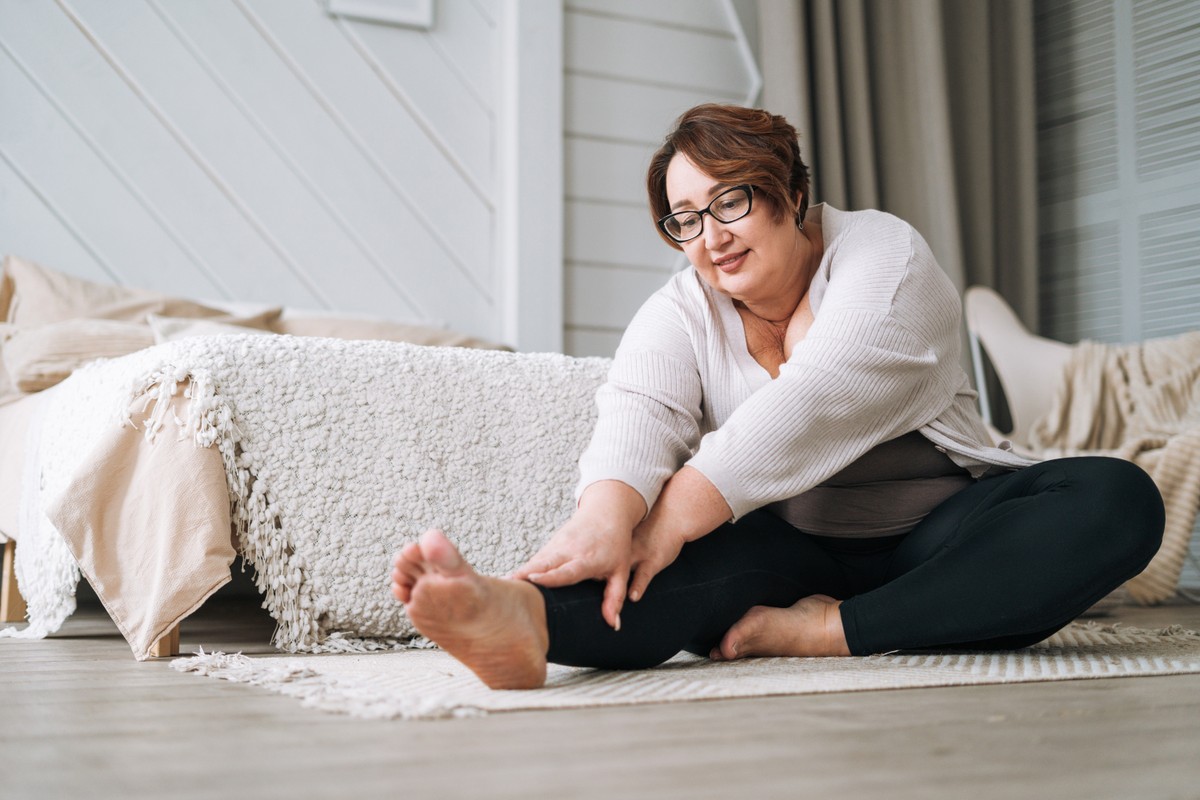
When energy is low and your body feels heavy or stiff, the usual advice to simply exercise more can feel completely disconnected from where you actually are. The physical barriers are real. Gentle movement is worth taking seriously as an approach precisely because it starts from where you are, not where you think you should be.
Why low activity periods are common in perimenopause
Aching joints and sore muscles are something many people notice during perimenopause. As hormone levels shift, moving can start to feel uncomfortable in ways it did not before, which can make the idea of exercise feel discouraging rather than appealing.1
f your joints feel more reactive than they used to, you are not imagining it. The link between hormone changes and joint sensitivity is still being researched, but it may help explain why movement feels different during this stage.2
The tiredness can be just as hard to deal with. When sleep is disrupted and mood is low, energy often follows. If fatigue or joint pain is getting in the way of your daily life, it is worth raising with your GP.3
Movement that works even on low days
Some kinds of movement stay within reach even when your energy and comfort are low. Three in particular work across a wide range of days and however you feel.
Walking
Walking is one of the simplest ways to support your health through perimenopause and menopause. Research suggests walking can support overall bone strength, weight, and heart health, and even a brisk ten-minute walk can lift your mood and energy. You do not need a long route. Starting with a short walk and building from there works well.4

Yoga and restorative practice
Yoga and tai chi are among the gentler options to explore. Yoga adapts to whatever energy you have, and you do not need to be flexible to start. Restorative styles in particular let your body move gently while you build range of motion and release tension. You do not need to hold any pose well for it to help5
Somatic movement
Somatic movement is a wellness approach rather than a clinically tested method. It focuses on how your body feels from the inside, instead of technique or performance. Using slow, deliberate movements, the aim is to release physical tension and bring your attention to what is happening in your body. Some find it builds a sense of ease and safety when movement feels uncomfortable or anxious-making. It does not appear in clinical guidance, but it may give you a starting point when more structured exercise feels like too much.6
Redefining what counts as movement
Movement does not have to mean a structured workout. Dancing, swimming, cycling, gardening, or carrying the shopping all count as movement that does you good. Shifting how you think about it, away from formal sessions and towards anything that gets your body working, can make it easier to keep going, especially on lower-energy days.7
There is a related idea sometimes called joyful movement. It moves the focus away from things like calories burned and towards how moving actually feels, whether it brings you calm or energy, or you simply enjoy it. This is not a clinical framework, but as a mindset it can help you build a steadier relationship with movement over time.8
Getting going again when it feels hard
If you have had a stretch of low activity and the thought of moving again feels daunting, starting small works well. Begin with something manageable, like a fifteen-minute walk, then build up the time or intensity slowly. That keeps it from feeling overwhelming and makes it more likely you will keep at it. Building up gently tends to work better than aiming straight for a target that feels like hard work.9
It can also help to tie movement to a reason that means something to you. Whether you are after more energy, better sleep, looking after your long-term health, or simply some stress relief, having a clear sense of why makes it easier to keep going over time.10
Low motivation in perimenopause is often a knock-on effect of fatigue and other symptoms. Treating rest as a real part of this stage, rather than something to push through at any cost, is part of looking after yourself well. Small steps count too. A short walk on a hard day is worth noticing.11