
Night sweats are one of the most disruptive parts of perimenopause. Managing them does not need a complete overhaul of your bedroom or your routine. There are specific steps you can try tonight, and medical options worth knowing about if those steps are not enough.
Temperature management in the bedroom
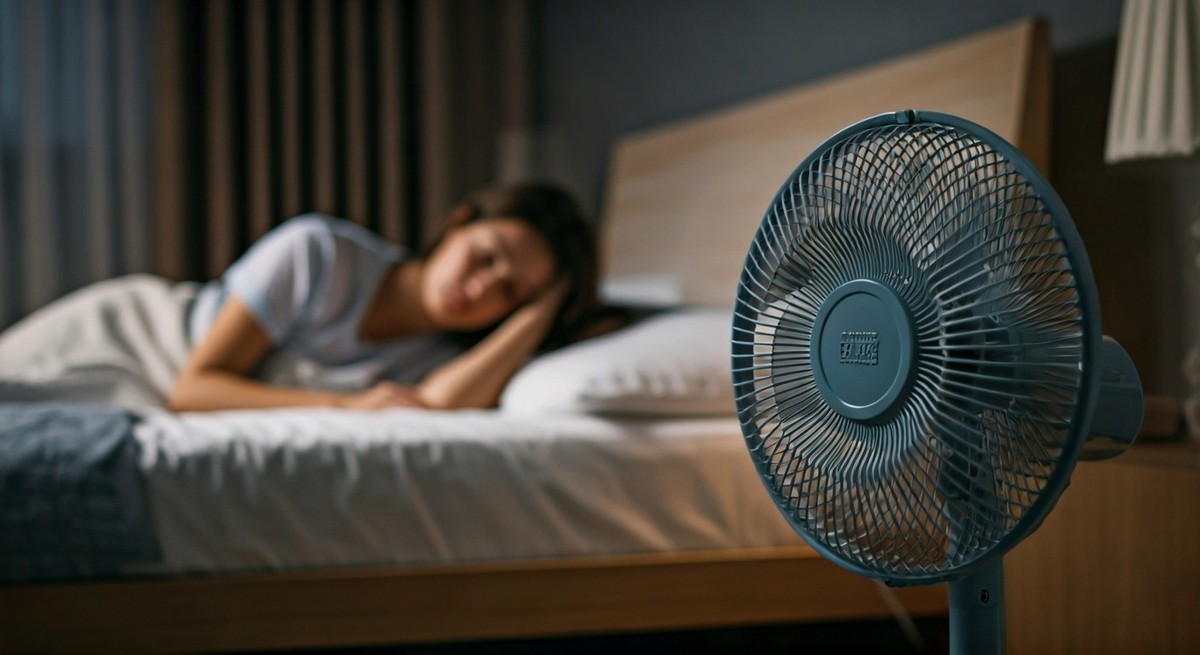
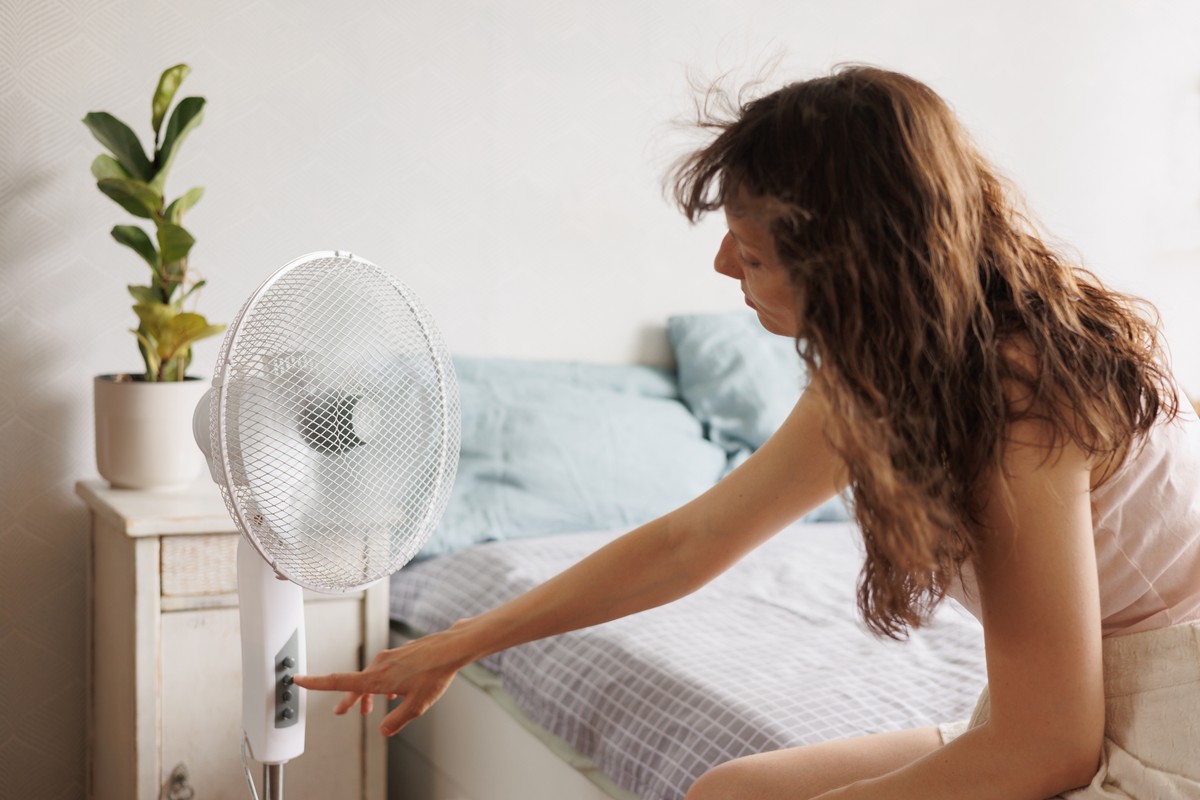
A cool bedroom is one of the most reliable things that helps. Aiming for around 16 to 18°C gives your body a lower baseline to work from. A fan on low, a window left ajar, or a cool shower before bed can all bring the temperature down. Keeping a cold drink on the bedside table, and an ice pack wrapped in a towel within reach, gives you something quick when a sweat hits in the night.1
Bedding and nightwear that work with your body
What you wear and sleep under makes a practical difference. Light, breathable fabrics like cotton let heat escape, while synthetics like polyester trap it. This goes for both your nightwear and your bedding.2
Breathwork and relaxation before bed
Stress can make night sweats worse, and going into sleep with a calmer nervous system can ease how often and how strongly they come. Gentle yoga, meditation, or slow, focused breathing in the hour before bed can all help.3
Cognitive Behavioural Therapy (CBT), a structured talking therapy, has a strong track record here. It can ease both how often night sweats and hot flushes come and how severe they feel, and it helps with the broken sleep that often comes alongside them. Your GP can talk you through how to access it, including through the NHS.4
Evening habits that consistently help
A few evening habits have a good track record for taking the edge off night sweats. Cutting back on alcohol, caffeine, hot drinks, spicy food, and smoking in the hours before bed lowers the chance of setting off a sweat overnight. Regular exercise helps with both night sweats and sleep, though timing matters. Working out within two to four hours of bedtime can raise your core temperature and make sweats worse, so earlier in the day tends to sit better.5
Body weight plays a part too. Carrying extra weight can make night sweats more frequent and more intense, and gradual movement towards a weight that feels sustainable for you can be part of a wider plan.6
HRT and other medical options
If the practical steps are not giving you enough relief, Hormone Replacement Therapy (HRT) is the most common medical treatment for perimenopausal night sweats and hot flushes. It works by topping up the oestrogen that drops during perimenopause, and it is widely used and well-supported in UK clinical practice. Whether it suits you depends on your health history and a proper conversation about the benefits and risks with your GP.7
If HRT is not right for you, other prescription options exist. They are not named here because each one needs an individual clinical assessment first. Your GP can talk you through what is available and what might fit your circumstances.8
If night sweats are breaking your sleep on most nights, raise it at your next GP appointment. A conversation about HRT or other options can make a real difference, and there is a range of approaches your GP can work through with you.