
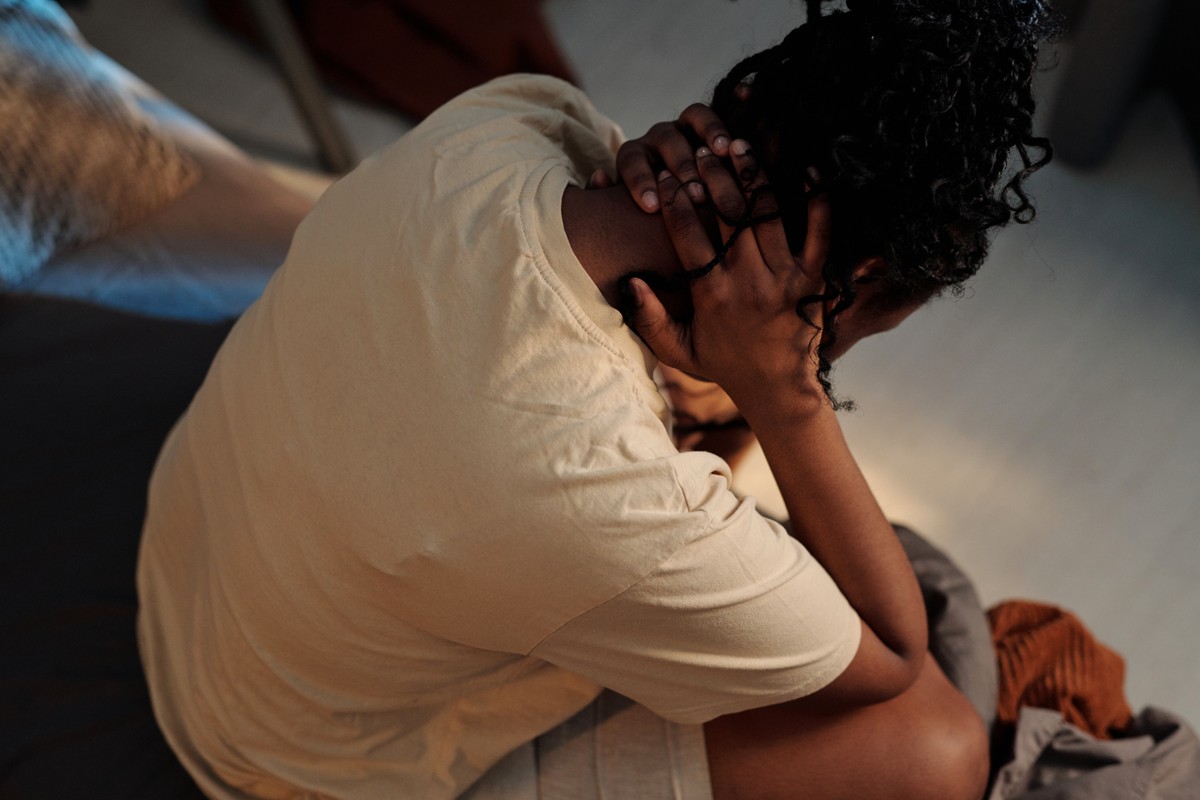
Night sweats are one of the most disruptive parts of sleep in perimenopause. An episode can be heavy enough to drench your nightclothes and bedding, and it can happen even when your room is cool. These are vasomotor symptoms, the night-time version of daytime hot flushes. Understanding what is happening can make them feel less alarming and easier to talk through with your GP.1
What causes night sweats in perimenopause?
The heat that wakes you mostly comes down to shifting oestrogen. As your levels rise and fall and gradually drop through perimenopause, this affects your hypothalamus, the part of your brain that controls body temperature.2
As your oestrogen changes, your hypothalamus seems to become more sensitive to small shifts in temperature. This narrows your thermoneutral zone, the temperature range your body treats as normal. When your brain reads this as overheating, even when nothing much has changed, it fires a strong cooling response and you sweat heavily. Once the sweating stops, that moisture evaporates and can leave you feeling cold.3
An episode can also bring flushed skin, a racing heart, and a sense of unease. If a racing heart worries you, it is worth raising it with your GP so other causes can be ruled out.4
Night sweats are one of the most common parts of this transition, and they can start in perimenopause, years before your last period. They affect a large share of women moving through this stage. On average they last around 7 to 9 years, though this varies a lot from person to person, and they can begin while your periods are still happening.5
How night sweats break up your sleep
Night sweats mostly disrupt your sleep by waking you up. The intense heat and drenching sweat, often followed by a chill, break your sleep into pieces, and that adds up over time.6
Sleep studies that track your sleep stages show these night-time flushes happen most often during lighter sleep and moments of wakefulness, and most of them line up with an awakening. The disruption is a real, measurable physical event, tied to specific points in your sleep cycle.7
Falling progesterone through perimenopause can also play into poorer sleep. Progesterone helps with sleep, so as it drops you may find it harder to drift off, with lighter, less restful sleep overall, even on nights when the sweats are milder.8
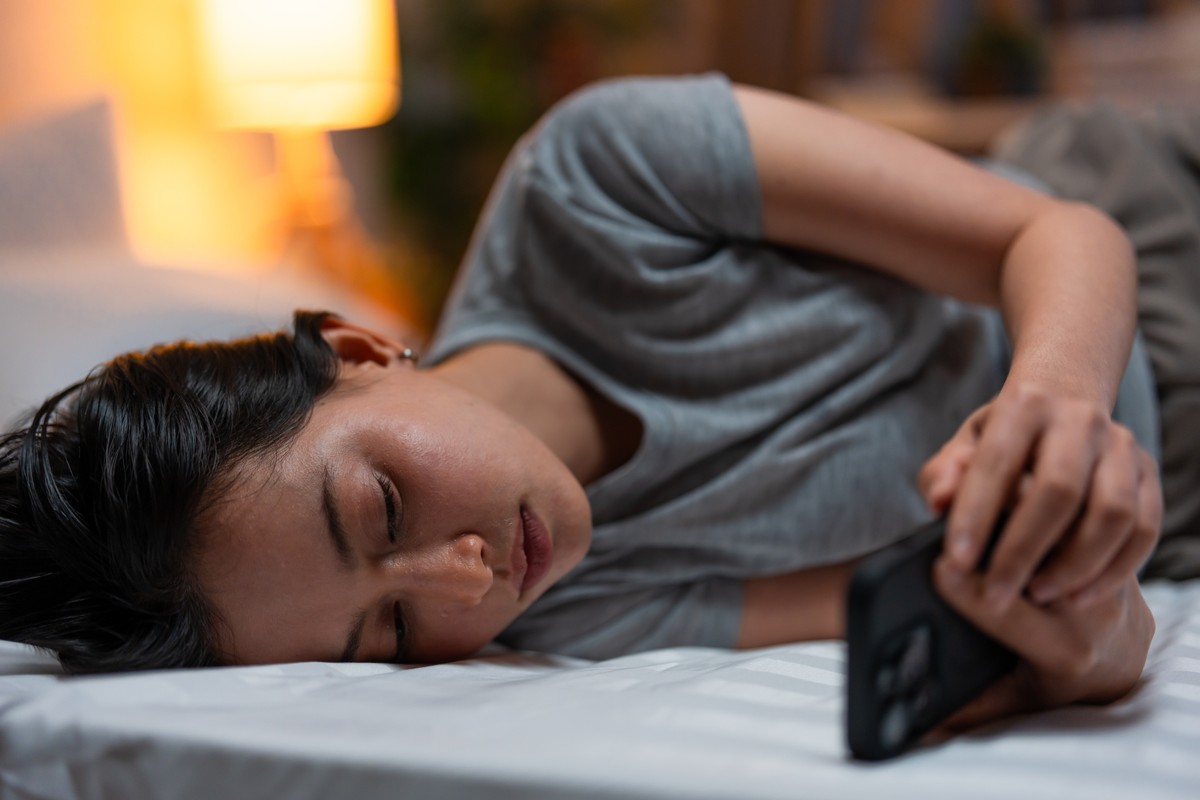
How this differs from general insomnia
Sleep disruption from night sweats and general insomnia both leave you struggling to sleep, though they work differently. With night sweats, each time you wake has a clear physical trigger, the temperature event itself. With general insomnia, each waking does not always have such a clear physical cause.9
Over time the picture can get more tangled. Worrying about the next night sweat can itself make it harder to settle again after you wake, adding a layer on top of the physical event. If you notice this happening, it is worth mentioning to your GP, who can talk options through with you.
When to see your GP
If you are over 45 and noticing night sweats alongside other changes in your cycle, your GP can diagnose perimenopause from your symptoms alone, with no hormone tests needed. You do not need a blood test to start a conversation about what you are going through.10
Night sweats that are really affecting your sleep and daily life are worth treating. Effective options exist, and your GP can talk through what suits you, including Hormone Replacement Therapy (HRT), the most effective treatment for vasomotor symptoms such as night sweats. Other options can be considered if HRT is not right for you.12