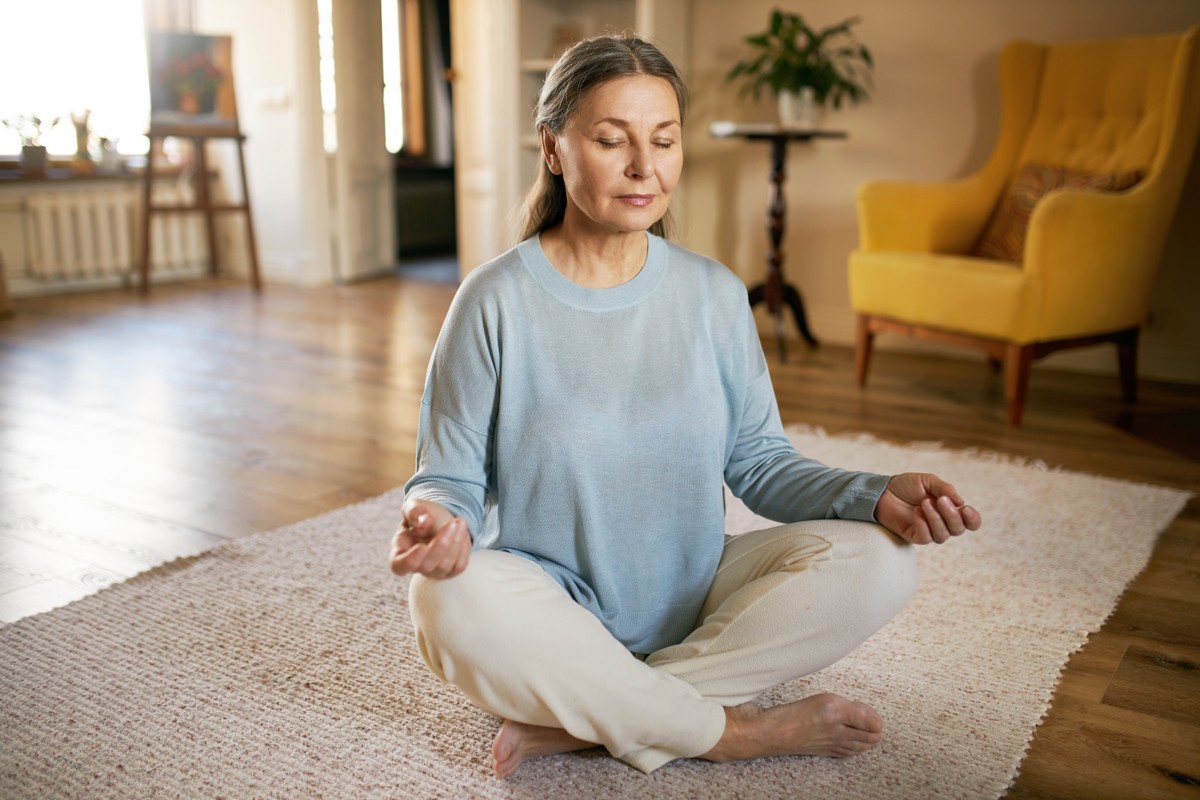
Perimenopause makes itself felt in a lot of different ways, and for many people the mental and emotional side is just as significant as the physical. Low mood, mood swings, anxiety, and irritability can all come with shifting hormone levels, and stress tends to sit right in the middle of it all, both as a symptom and as something that makes other symptoms harder to manage. That's where mindfulness and stress reduction can be worth looking at more closely1
How can stress compound perimenopausal symptoms?
When stress lingers, it can bring on some of the same feelings you might already recognise from perimenopause, like disrupted sleep and low energy. That overlap can make it harder to untangle what is driving what, and for some people the two seem to feed into each other2
Sleep is a clear example of this loop. Broken sleep is a common perimenopausal experience, and a rough night can make irritability and anxiety harder to handle the next day. Managing stress is not a cure, but for many people it is worth approaching with some intention rather than leaving it as an afterthought.3
Practical ways to support stress and symptoms
Yoga, tai chi, and meditation come up often as relaxing activities that can ease mood changes through perimenopause and menopause. Mindfulness, the practice of bringing your full attention to the present moment, is another option worth considering for the psychological side of menopause.4
Cognitive Behavioural Therapy (CBT) is offered as a non-hormonal treatment for low mood, anxiety, hot flushes, and night sweats. It uses structured relaxation techniques and is delivered by a trained professional, so if you want to try it, your GP can talk you through referral options.5
Mind-body practices including yoga, Pilates, and mindfulness-based stress reduction can support your sleep, ease anxiety, and reduce fatigue through perimenopause and beyond. The evidence is still building, though it leans in a steady direction. Practices that bring together your body and your attention tend to reach further than stress reduction on its own.6
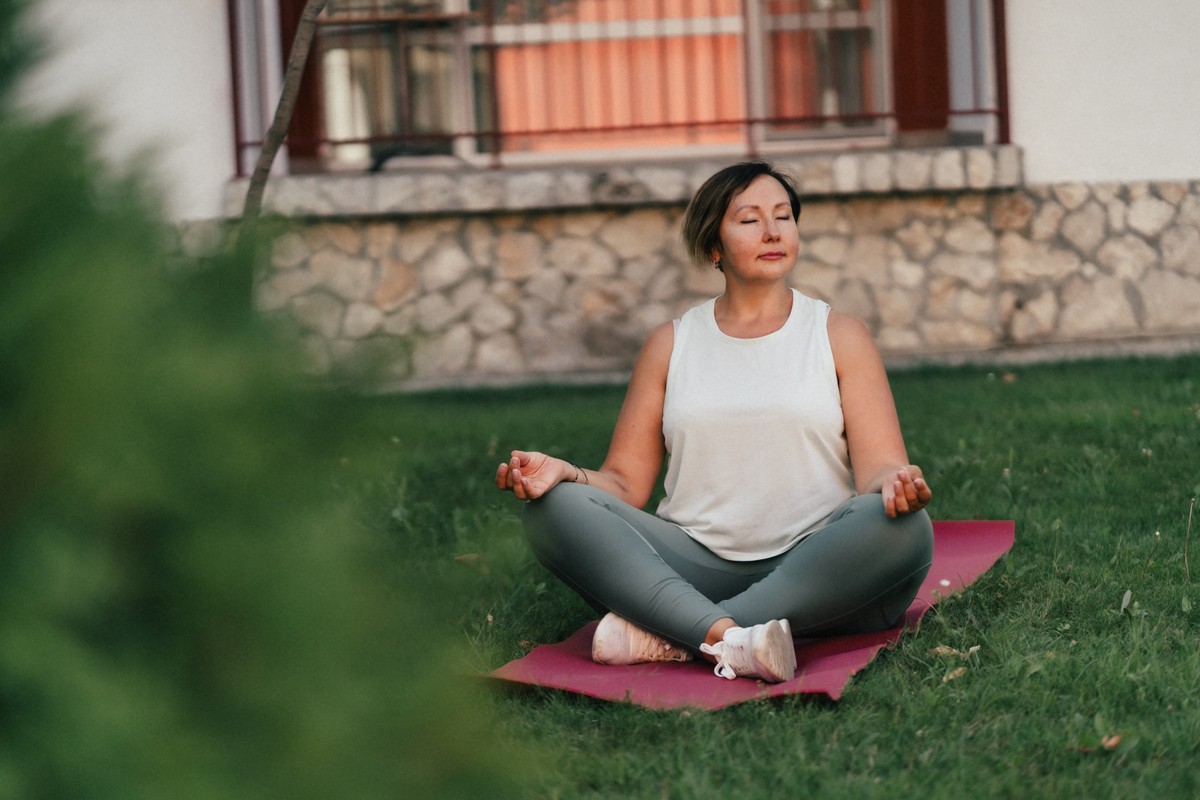
Breathwork and body-based practices you can start with
When stress builds or panic rises in your chest, a few minutes of slow breathing can take the edge off, and you can do it anywhere. The simplest version is breathing in gently through your nose and out through your mouth, counting to five on each breath if that helps you find a rhythm. Doing it regularly tends to help more than reaching for it only now and then, so a short daily habit is worth considering.7
Progressive muscle relaxation is a body-based technique where you tense and then release each muscle group in turn, usually starting at your toes and working up. The idea is to notice how tension and release feel different in each area. If you have a muscle or joint condition or an injury, check with a healthcare professional before you try it.8
Mindfulness is one of several relaxation approaches you can lean on for managing stress. Gentle movement, time outdoors, listening to music, and stepping away from screens are all practical ways to ease stress and worry. They sit alongside medical care, and they tend to work best as part of a wider approach to your symptoms.9
Finding what works for you
No single technique suits everyone. The key is finding some form of stress reduction practice you can keep up, whether that is breathwork, a body-based method, yoga, meditation, or a mix. How consistently you practise tends to matter more than which approach you choose
If stress, anxiety, or low mood are weighing heavily on your daily life, or your symptoms feel persistent or severe, it is worth raising with your GP. They can talk through the full range of options and point you towards the right support.