
Digestive discomfort after birth is something many people experience but few feel comfortable raising. Constipation, bloating, and that heavy feeling that does not seem to shift are all part of how your gut adjusts in the weeks after birth. Understanding what is happening and what can help is a useful place to start.1
Why gut health shifts after birth
Several things happen at once after birth that can slow your digestive system down. Hormones are part of it.2
Moving around less in the early recovery weeks also plays a part. When you move less, your digestive system moves less too. Gentle movement, like short walks, can help get things going again. If you have had a caesarean section or a complicated delivery, check with your midwife or GP before you increase how active you are.3
Sore haemorrhoids, fissures or perineal stitches can make you want to put off opening your bowels, and holding on tends to make constipation worse over time. If pain from either is getting in the way, raise it with your midwife or GP rather than trying to manage it on your own.4
Iron supplements and constipation
If you have been prescribed iron after birth to treat anaemia, it can make your stools harder and more difficult to pass. This is a known side effect of the supplement. Your GP or midwife might suggest taking it every other day, or switching to a different form, or trialing a laxative, if constipation becomes a problem. It is best not to change how you take a prescribed supplement before talking it through with them.5
Fibre-rich foods that support your gut after birth
Adding more fibre is one of the most reliable ways to ease constipation. The recommended daily amount for adults in the UK is 30g, however the average intake is only 18g. If you are eating less than that now, the key is to build it up slowly over a few days or weeks rather than all at once, since a sudden jump can leave you bloated and gassy. Drinking more fluid at the same time helps the fibre do its job.6
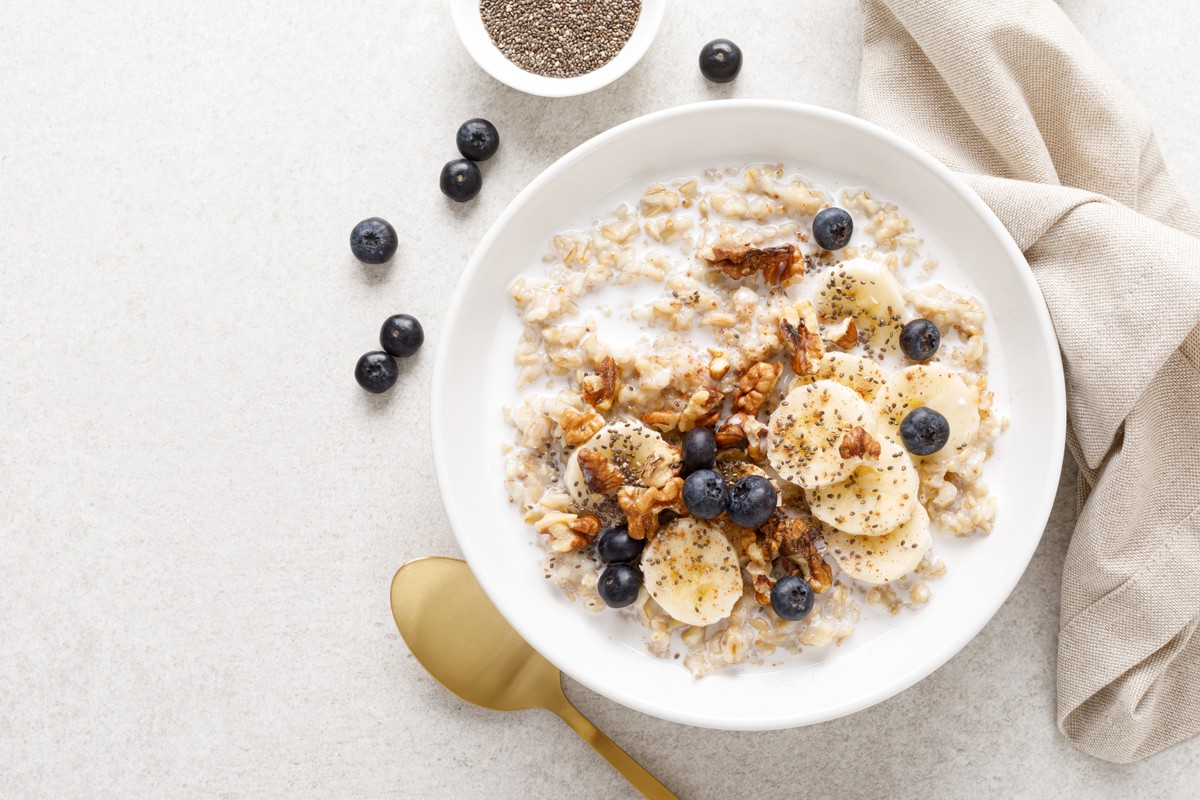
Easy everyday sources of fibre include wholegrain breakfast cereals, wholegrain or seeded bread, brown rice, pasta, and potatoes with the skins left on. Fruit, vegetables, beans, and pulses work well too, and slot easily into simple postpartum meals.7
Some fruits contain sorbitol, which has a mild laxative effect and can be especially useful. Apples, apricots, grapes, prunes, raisins, raspberries, and strawberries all fall into this group. Kiwis are also recognised as helpful in easing constipation, two kiwis a day either peeled or with the skin on can help get things moving again. They work best as a steady support rather than a quick fix.8
Hydration and how much fluid you need
Fluid softens your stools and helps fibre work, so the two go together. As a rough guide, aim for around 2 litres per day. If you are breastfeeding, your needs go up quite a bit, to around 2.5 to 3 litres a day. These are guides rather than fixed targets, and what you need will vary. Water, milk, juices, teas and coffee all count.9
Eating well when your appetite is low
Eating well when you are not that hungry, or when time and energy are short, can feel like a lot. Simple, nourishing meals that come together quickly, like lentil soup or a vegetable stir-fry, can support your gut without much effort. Batch cooking and freezing things like bolognese or cottage pie is another way to have a balanced meal ready on the harder days.10
For snacks, the easy-to-grab options that still do you good include fresh fruit, a handful of nuts, yoghurt, or hummus with bread or vegetable sticks. These add to your fibre and fluid through the day without needing any prep.11