
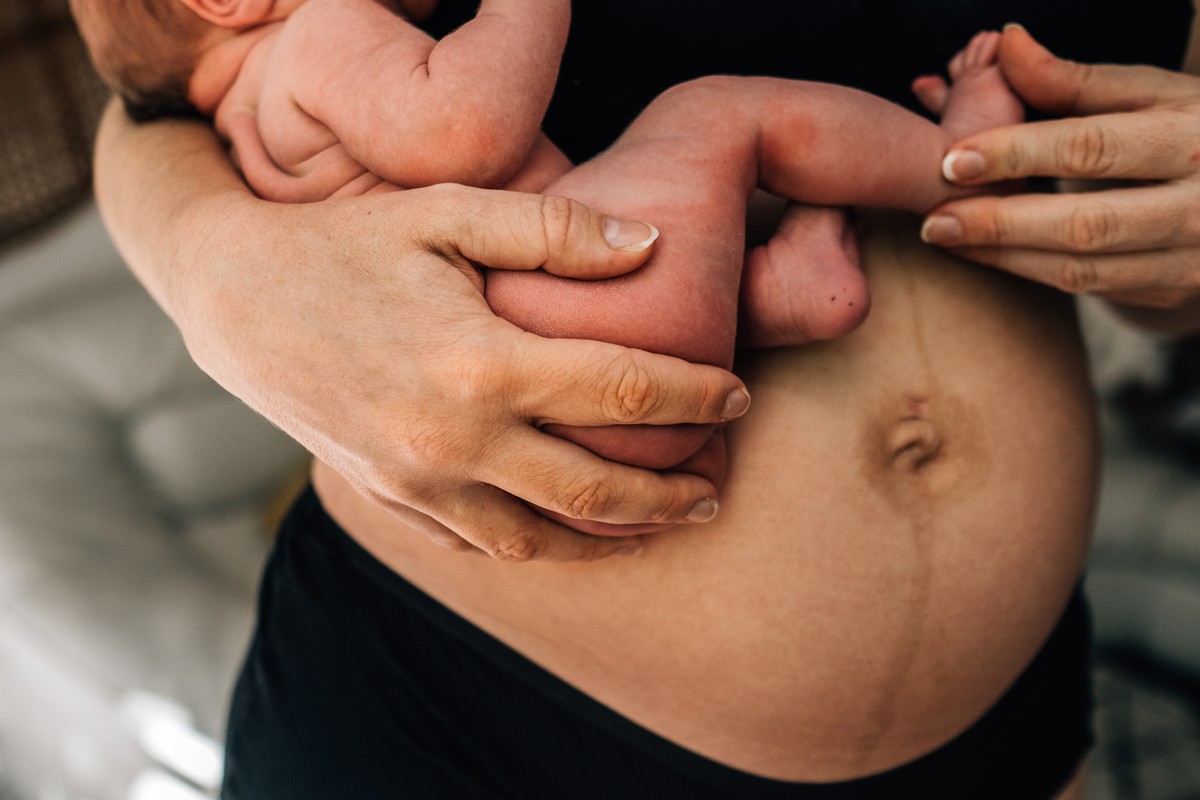
Breastfeeding can leave you feeling hungrier than usual, sometimes a lot more, and that hunger is a fair signal from your body. Making milk takes energy, and getting a sense of your nutrition and calorie needs while breastfeeding makes it easier to eat in a way that supports you and your baby. You do not need a special or restrictive diet. The starting point is the same balanced, varied approach behind general healthy eating in the UK: plenty of fruit, vegetables, starchy carbohydrates, protein, and dairy or fortified alternatives.2
How many extra calories you need
If you are exclusively breastfeeding, general guidance points to around 330 kcal more a day during the first six months after birth. That figure assumes you are also losing some of the weight gained in pregnancy over time. Treat it as a rough guide rather than a personal target, since your real needs depend on your body, how active you are, and how feeding is going. If you have questions about your own energy needs, your health visitor, midwife, or GP can help.1
Nutrients that pass to your baby through milk
Some of what you eat passes straight into your breast milk, so your own intake shapes what your baby gets. Three are worth keeping an eye on: docosahexaenoic acid (DHA), iodine, and vitamin D.
DHA for brain and eye development
Oily fish like salmon, mackerel, and sardines are among the richest sources. Aiming for two portions of fish a week, one of them oily, is a practical way to keep your DHA up. Two portions of oily fish a week is also the upper limit while breastfeeding, which keeps your exposure to possible pollutants low. 3
Iodine for thyroid function and your baby's developing nervous system
Dairy foods like milk, yoghurt and cheese, along with fish, are good sources. If you use dairy-alternative drinks, some are fortified with iodine and some are not, so checking the label tells you which you have. Although your iodine requirements increase whilst breastfeeding, current UK guidance does not recommend routine iodine supplements for everyone while breastfeeding, so if you are worried about your intake, your GP or health visitor can talk it through.4
Vitamin D and why your baby needs their own supplement
A daily supplement with 10 micrograms (mcg) of vitamin D is recommended while you are breastfeeding. Your baby still needs their own supplement on top of this. From birth to one year, breastfed babies should have a daily supplement with 8.5 to 10 mcg of vitamin D, whether or not you are taking one yourself. If you are combination feeding and your baby is having at least 500ml of formula per day, they do not need a supplement.5
Alcohol and timing your feeds
The safest approach to alcohol while breastfeeding is to skip it. If you do choose to drink, an occasional one to two units, once or twice a week, is unlikely to harm your baby. Regularly drinking more than 14 units a week may harm your baby, can lower your milk supply, and carries risks to your own health.6
Alcohol passes into your milk, and the level falls as it leaves your bloodstream. Waiting two to three hours per drink before the next feed keeps your baby's exposure low. There is no need to pump and dump, since throwing milk away does not clear alcohol from your system any faster. Pumping for comfort is fine if you need it.7
Caffeine limits and what to watch for
Caffeine passes into your milk and can leave your baby restless or unsettled. The recommended daily limit while breastfeeding is no more than 200mg. For context, a mug of instant coffee has about 100mg and a mug of tea about 75mg, so two mugs of coffee takes you to the limit. Caffeine also turns up in chocolate, cola, and energy drinks, which are worth counting in.8