

The tiredness that settles in after birth, the soreness, the hunger that comes and goes without warning. These are signs of how much physical work your body has just done. Good nutrition for postpartum recovery gives your body what it needs to repair tissue, support your immune system, and keep your energy steady through a genuinely demanding time.
A balanced, varied diet as the foundation
The basic approach to eating after birth is the same as at any other time in adult life: balanced and varied. Aim for at least five portions of fruit and vegetables a day, go for wholegrain carbohydrates where you can, and include plenty of fibre. Eating this way covers the broad range of nutrients your body draws on while it recovers, without putting tight limits on what you eat.1
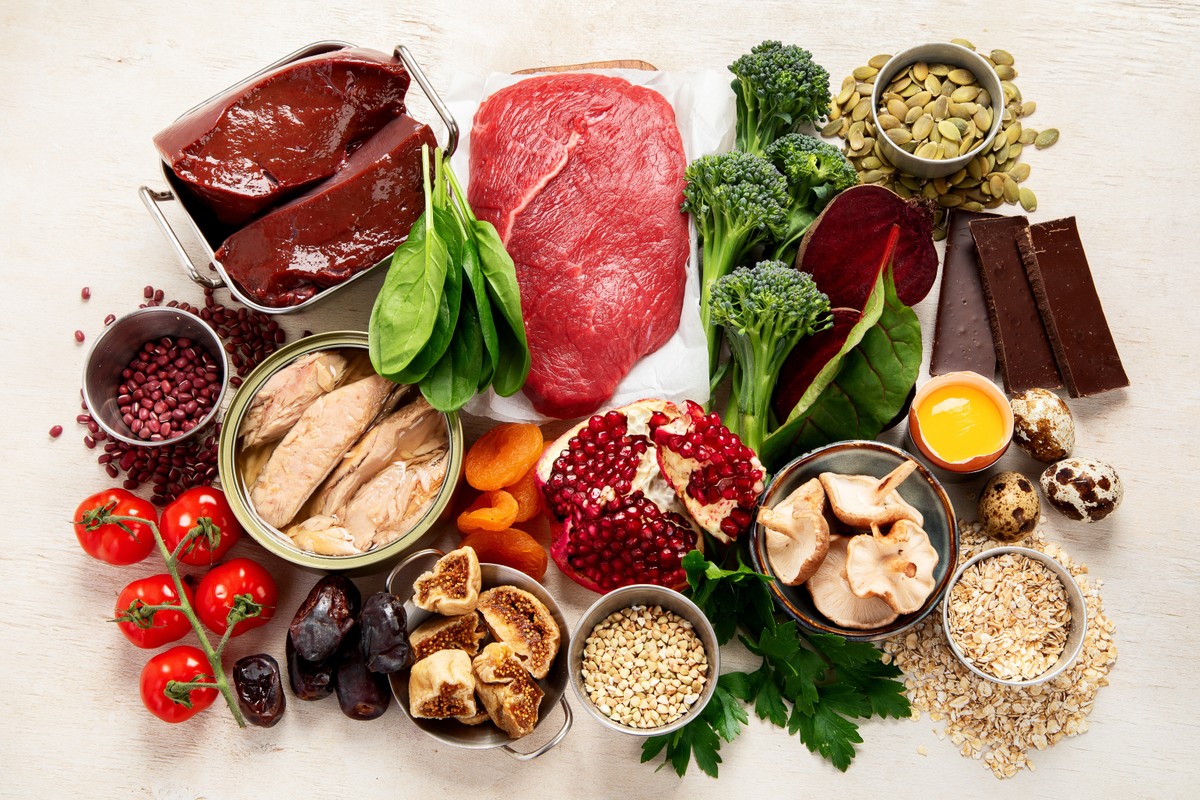
Protein for healing after birth
Protein matters more than usual in the weeks after birth. Your muscles and tissues have been under real strain, whether you had a perineal tear (a tear in the skin between the vagina and anus), a caesarean, or neither. Protein gives your body the amino acids it uses to repair that tissue and to make antibodies that support your immune system.2
Lean meat, fish, eggs, beans, and pulses are all good sources to include regularly. They are easy to find and slot into meals and snacks without much preparation.
Foods that may support your body's recovery response
As your body heals after birth, it goes through a natural inflammatory process. Some foods are linked in nutritional science with supporting it. Oily fish is one. It is rich in omega-3 fats, which may help your body manage its natural inflammatory response. If you are breastfeeding, you can safely have up to two portions of oily fish a week.3
Spreading a range of colourful fruit and vegetables across the day is a simple way to cover a broad range of nutrients.4
Eating when your appetite is low
Your appetite may well be lower in the days and weeks after birth. Pain, hormonal shifts, broken sleep, and the demands of a newborn can all change how hungry you feel. If big meals feel off-putting, eating little and often through the day makes it easier to get what you need. Small, nutrient-dense options like yoghurt, hummus with bread or vegetables, soup, or a handful of nuts give you protein, energy, and key nutrients without a full meal.5
Keeping easy food within reach helps, especially overnight and during feeds. It does not need to be complicated. Batch-cooked soup, eggs, tinned fish, and wholegrain crackers all keep well and take very little effort.
A note on nutrition if you are breastfeeding
Breastfeeding raises how much energy you need. If you are exclusively breastfeeding, your body uses roughly an extra 330 kcal a day on top of your usual intake. For most people this comes from a healthy, balanced diet rather than any special plan. Keeping your fluids up matters more during this time too.6
There is more to eating while breastfeeding than fits here. For a closer look at what to eat, which nutrients to focus on, and what to watch for, the dedicated breastfeeding nutrition article goes into more depth.
If you have ongoing concerns about your appetite, weight, or what you are eating after birth, raise them at your next postnatal appointment, or ask your GP about a referral to a registered dietitian.