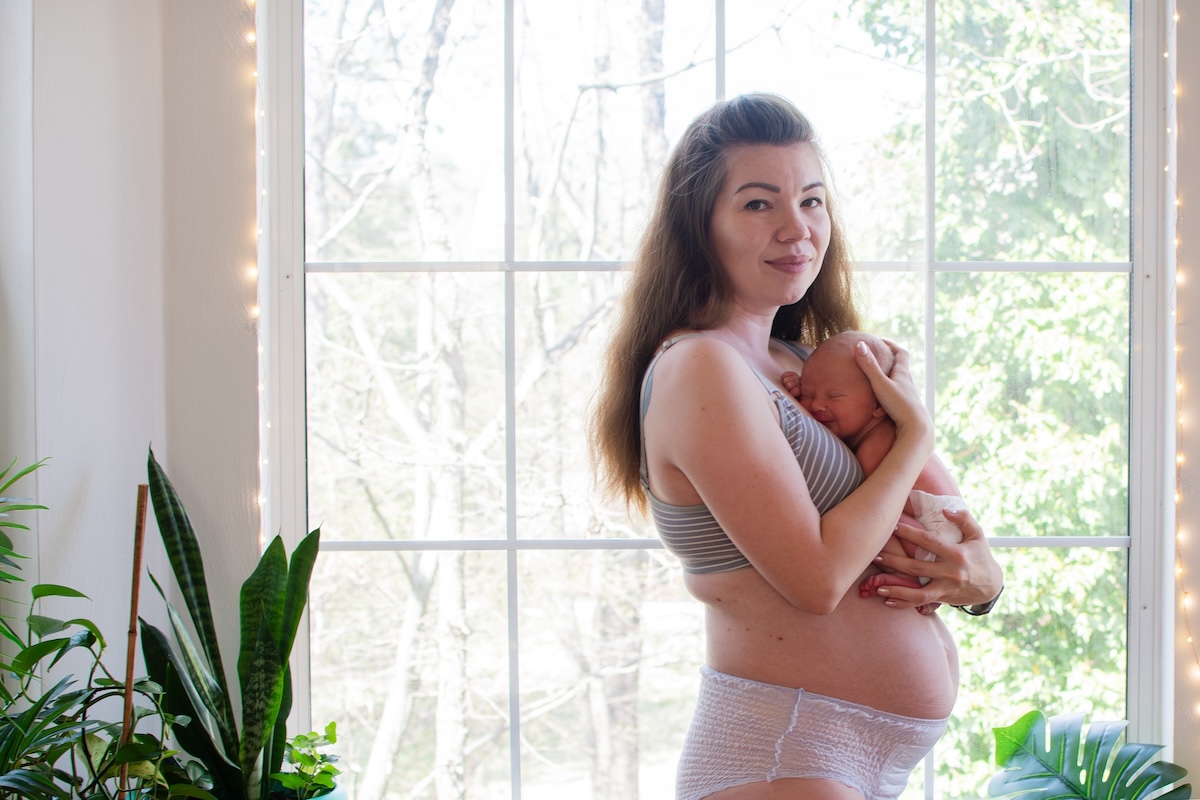
In the weeks after birth, your body can feel like unfamiliar territory. The physical changes that happen during and after pregnancy involve far more than people often expect. Fluid shifts, hormonal changes, and the work of healing all play a part in how you look and feel. The process is non-linear and no two people experience the same journey.
Why postpartum weight change is not linear
If your stomach still looks soft or rounded in these early weeks, this is all part of your body recovering from pregnancy and birth. Your uterus has also stretched to many times it's normal size, it takes around six weeks for it to return back to normal in a process called involution. During pregnancy your abdominal muscles can separate, a process called diastasis recti, and they usually take around eight weeks to start moving back towards where they were. A soft or saggy middle during this time is common and expected.1
Fluid plays a big part in how your body looks and feels early on too. You hold a lot more of it during pregnancy, and letting it go takes time. The dropping number on the scales in the first weeks reflects this fluid as much as anything else, which is one reason weighing yourself now gives a partial and often misleading picture.
The shifting hormones after birth can also bring strong emotional changes. Feeling overwhelmed, tearful, or anxious in the first days is very common, and this is sometimes called the baby blues. It usually settles within two weeks. If it lingers longer than that, or feels heavier, it is worth speaking to your GP or midwife, as this can be a sign of postnatal depression. If you are in immediate distress, call NHS 111.2
The first six to eight weeks: recovery comes first
The first six to eight weeks after birth are a real recovery period. The care you are offered in this time centres on your health, your baby's health, managing pain, and feeding. Weight loss does not feature here and this time should be spent focusing on nourishing yourself and your newborn baby.3
Crash diets and cutting your calories are not advised after giving birth, especially if you had large blood losses during delivery. Your body needs enough food to keep your energy up, heal your tissues, and rebuild its nutrient stores, including iron, which can run low through pregnancy and birth. Getting enough iron through your diet can be tricky for some, if you are struggling with signs of anaemia (extreme fatigue, pale skin and shortness of breath) speak with your GP. Although these symptoms are also very common with the lack of sleep that comes with a new baby.4
How breastfeeding affects weight over time
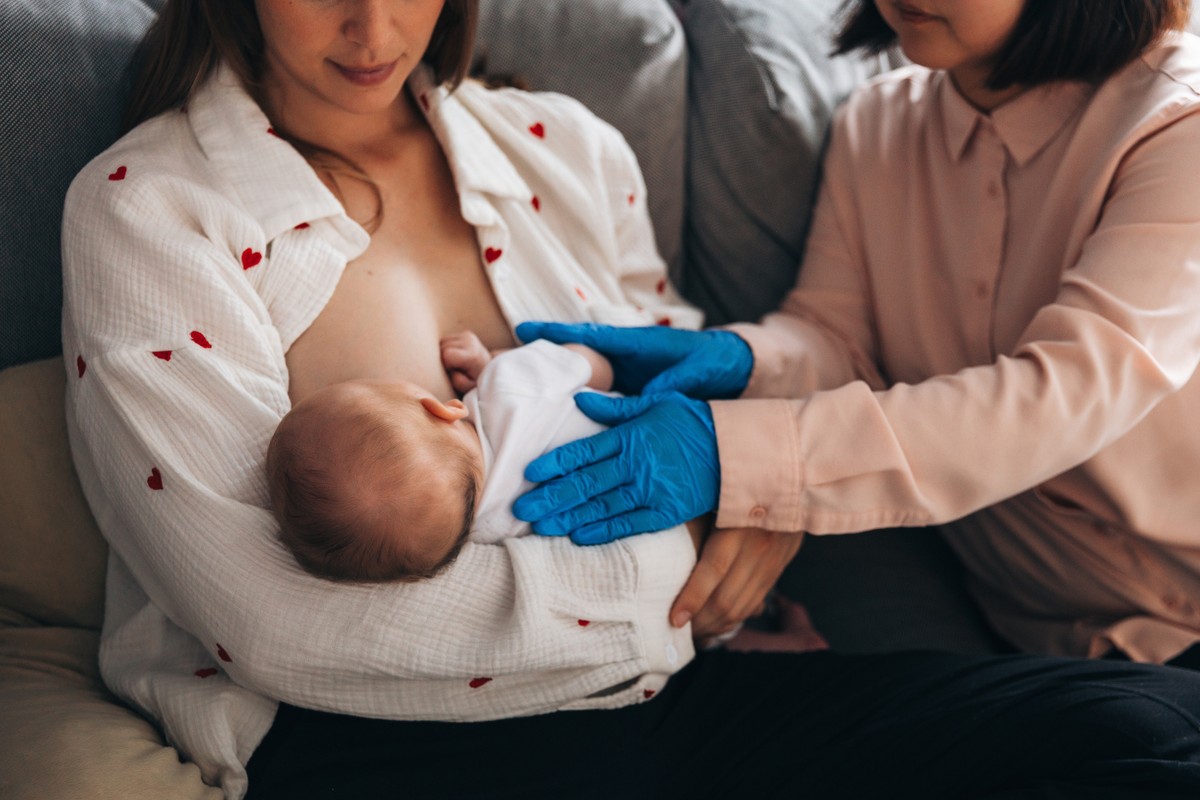
If you are breastfeeding your body needs a lot more fuel than usual. Exclusive breastfeeding increases your requirements by around 330kcal per day for the first six months. This figure includes a weight loss buffer which is built in to support a gradual weight loss of 0.8kg per month.5
Studies show that breastfeeding can support greater weight loss over time than formula feeding, however many women find it harder to lose weight whilst breastfeeding due to the increased hunger and hormonal changes. A balanced diet alongside gentle exercise when you feel ready, can help support slow and steady weight loss without affecting your milk supply or quality in the long term.6
Why your body needs enough food at this stage
Cutting your calories hard in this period risks draining the nutrient stores you are working to rebuild, and it sits badly with the demands of breastfeeding.7
Your body is under a lot strain during this time. Drastically reducing your calories or starting a strict diet risks draining the nutrient stores you are rebuilding and can affect not only your milk supply but you own wellbeing. There is no set minimum calorie guidance for this period, if you want personalised guidance tailored to you speak with your GP, midwife or a registered dietitian.8
What a nourishing postnatal approach looks like in practice
The focus at this stage should be on nourishing yourself and your baby in a healthy and balanced way. Giving your body what it needs to recover by eating enough to keep your energy levels steady and your nutrient status topped up. There is no rush to "snap back" to your pre-pregnancy body despite what social media tells us. Take this time to fuel your body and enjoy your baby. Weight loss can happen slowly and steadily alongside a healthy diet and physical activity but this should take many months, not weeks.