
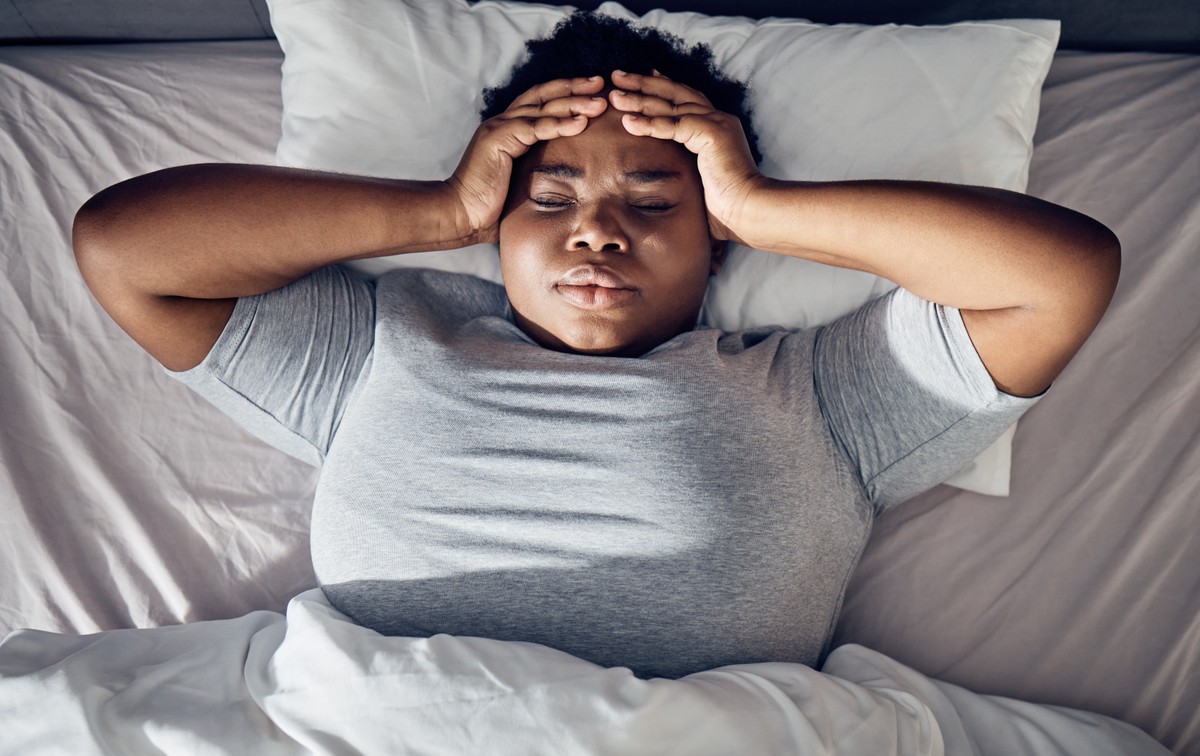
In the early weeks after birth, heavy sweating and night sweats are among the most common physical experiences.In the early weeks after birth, heavy sweating and night sweats are among the most common physical experiences. Waking to find your sheets or pyjamas damp is something many women notice in this period. There is a clear physical cause, and for most people it settles on its own.
Why postpartum sweating and night sweats after birth happen
Most of this comes down to a sharp drop in oestrogen straight after birth. Through pregnancy your oestrogen runs high, and once the placenta is delivered it falls fast. That drop can throw off the hypothalamus, the part of your brain that manages body temperature, so it triggers sweating to cool you down even when you are not actually too warm.1
Your body is also clearing the extra fluid it held onto during pregnancy. You carried more blood volume and fluid overall while pregnant, and after birth, sweating and weeing more often are the main ways your body lets that go. Both tend to be strongest in the first couple of weeks, then gradually settle.2
The way this works is similar to hot flushes in menopause, which also come from falling oestrogen affecting your internal thermostat. The comparison helps explain what is happening, though postpartum sweating is its own thing and tends to pass as your body recovers.3
How long does it typically last?
You will probably notice the sweating most in the first few weeks after birth. It tends to ease as your hormone levels start to settle, and for most people it clears within several weeks.4
If you are breastfeeding, you may find the sweating sticks around for longer. Feeding can keep your oestrogen relatively low for as long as you are nursing, so the sweating can carry on past those first few weeks. This is a normal part of the breastfeeding period.5
What helps with comfort?
Nothing will stop the sweating outright, though a few simple things can make it easier to live with. Keeping your fluids up matters, since sweating means you are losing more than usual. Loose, light clothing in natural fibres like cotton lets air move around your skin. Keeping your bedroom cool with a fan or an open window can take the edge off night sweats too.6
For the nights, laying a towel over your pillow or using moisture-wicking bedding can soak up sweat and cut down how often you are changing sheets. A lukewarm shower before bed may help your body temperature settle before you sleep.7
You may find that going easy on spicy food and caffeine in the hours before bed takes some of the heat out of night sweats. The evidence for this in the postpartum period is thin, so treat it as something to try rather than a firm rule.8
When to contact your GP or NHS 111
It is also worth speaking to your GP if night sweats carry on for more than several weeks with no sign of easing, or if they show up alongside things like a racing heart, anxiety, tremors, or weight loss you cannot explain. Together these can sometimes point to a thyroid condition such as postpartum thyroiditis, where the thyroid, the gland that helps control your metabolism, becomes inflamed after birth. Your GP can look into it further if needed.10