
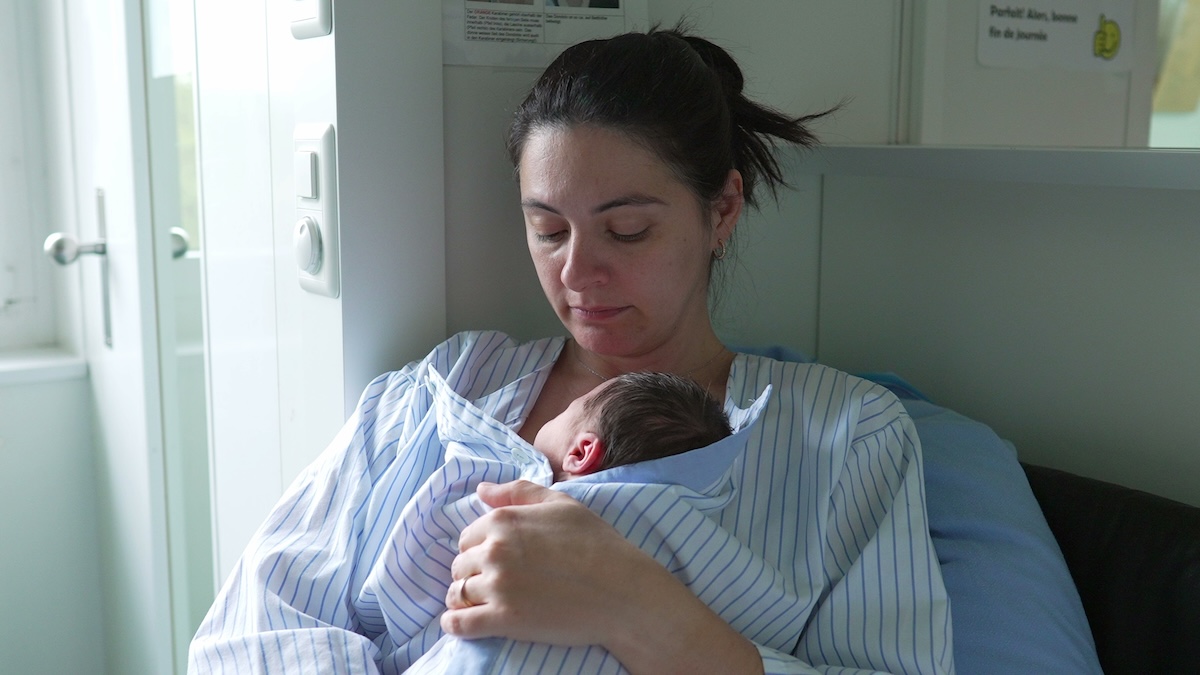
The dread of that first bowel movement after birth is something you might feel keenly, even though very few people are warned about it. The soreness, the itching, the worry about whether it is going to hurt. These are real, and they are widely shared in the weeks after birth. Constipation and haemorrhoids are among the most common experiences in this period, yet they are rarely talked about openly before birth. If you are finding this difficult, there is practical help available.2
What helps day to day
How you sit on the toilet
How you sit on the toilet makes a real difference. Put your feet on a small step stool, or a stack of firm books, so your knees sit higher than your hips. Lean forward and rest your elbows on your knees. This position, sometimes called a squat position, helps the muscles around your rectum relax, so stool passes with less effort. It is a simple change that can take away the need to strain.3
If you have stitches from a tear or an episiotomy (a cut made during birth to help the baby out), you can gently press a clean pad or folded piece of toilet tissue against the perineum (the area between your vagina and anus) while you go. This gives a sense of support and can ease the discomfort. This gives a little steadying contact against the area.4
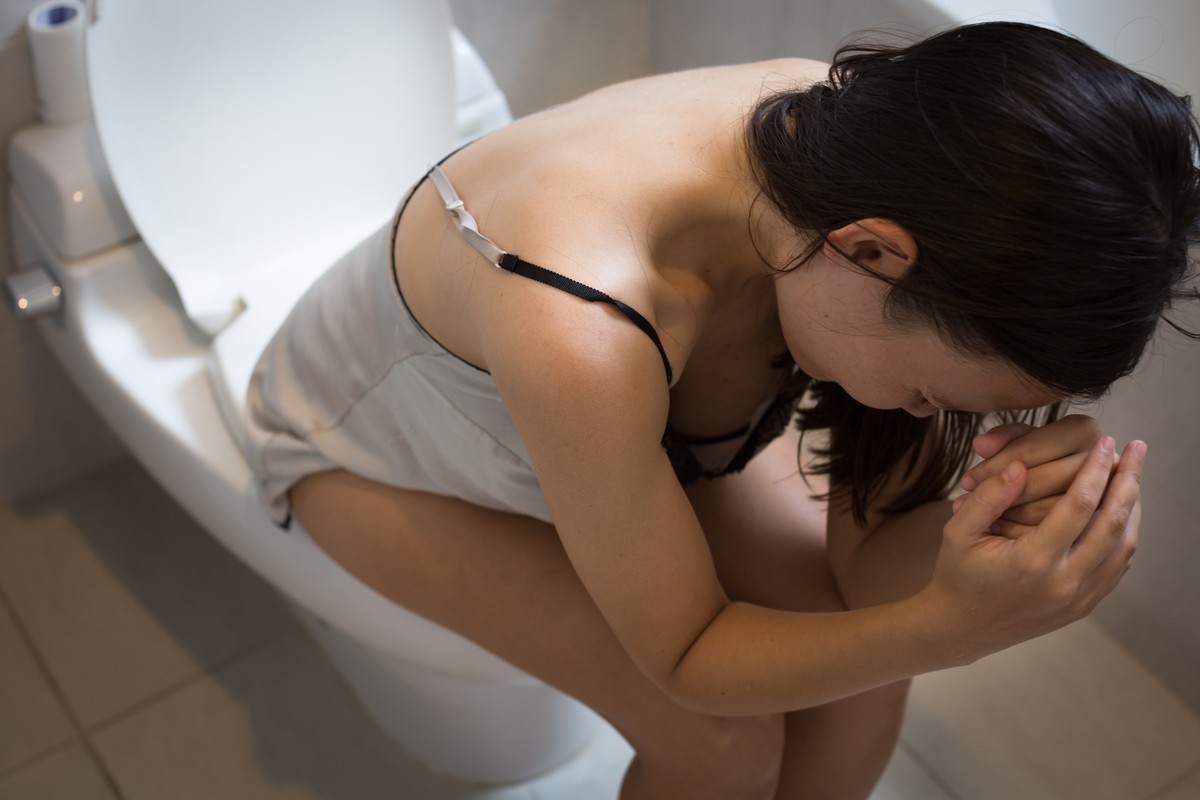
Fibre and fluids
Eating plenty of high-fibre foods, like fruit, vegetables, pulses and wholegrains, helps keep stools soft and easier to pass. Aim for around 1.5 to 2 litres of fluid a day, and water is the best choice. If you are breastfeeding, keeping your fluids up matters even more, since your body is using more than usual. These are rough guides rather than precise targets, so drink when you are thirsty and eat as varied a diet as you can manage.5
How your pelvic floor comes into it
Your pelvic floor muscles hold up both your bladder and your bowel. Straining to pass a stool puts extra pressure on these muscles, which are already worn from pregnancy and birth. To ease that, try breathing slowly and deeply when you sit down, and breathe out as you go rather than holding your breath. This small shift can make the whole thing more comfortable and take some load off your pelvic floor.6
Easing haemorrhoid discomfort at home
The itching, tenderness and general soreness of haemorrhoids often settle within a few days. Haemorrhoids, also known as piles, are swollen veins around the anus. A warm bath can soothe the area, and an ice pack wrapped in a towel (never put straight onto skin) can help ease the swelling. Both are simple and safe to try at home.7
If the discomfort is heavier, a pharmacist can offer creams and ointments you can buy over the counter. Some contain a corticosteroid called hydrocortisone, which calms inflammation, though these should not be used for more than one week at a time. If you are breastfeeding, check with your pharmacist or GP before using any haemorrhoid treatment, so you know it suits you.8
Why constipation and haemorrhoids are so common postpartum
A few things combine to make constipation so common in the days and weeks after birth. Hormonal shifts after birth can slow your digestion down. Pain-relief medicines, including the ones used during labour, can leave constipation as a side effect. Your pelvic floor muscles, which help your bowel work normally, may take time to get their usual strength and coordination back.9
Haemorrhoids come on when the veins around the anus swell under pressure. The steady pressure of a growing pregnancy, then the pushing stage of labour, can bring this on. Constipation makes them worse, because straining to pass a hard stool pushes that pressure up further.10
How iron supplements can add to it
If you have been prescribed iron supplements after birth to treat anaemia (low iron levels), these can bring on constipation or make it worse. If you notice that, speak to your midwife or GP before changing anything. They might suggest ways to handle it, like taking your supplement with food, though any change to how or when you take prescribed medicine is best guided by a professional.11
The worry about that first bowel movement
Feeling anxious about your first bowel movement after birth is very common, especially after a caesarean section, a tear, or an episiotomy. You might worry that passing a stool will damage your stitches. In practice that is very unlikely, but if you have specific concerns about your stitches or your recovery, it is worth raising them with your midwife, who can talk you through your own situation.1
When to raise things with your midwife, health visitor, or GP
If constipation has not eased after more than a few days, or you have not had a bowel movement since giving birth and you are worried, speak to your midwife, health visitor, or GP. They can advise on whether a short-term laxative is right for you.12
For haemorrhoids, call your midwife if the discomfort is heavy, as they can arrange a prescription for an ointment. See your GP if there is no improvement after a week of treating it at home, or if you notice ongoing bleeding from the back passage. Any bleeding from the back passage should always be checked by a doctor.13