
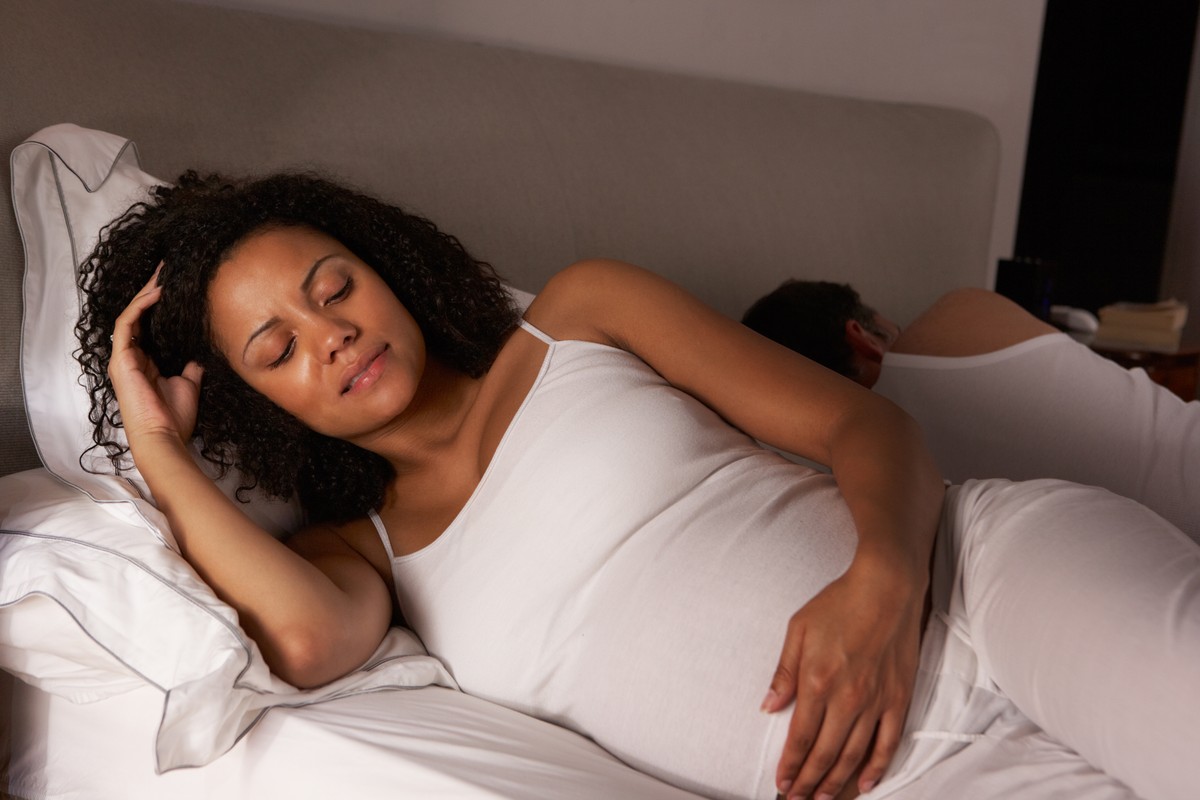
If you live with endometriosis, you will know the kind of pain that can arrive alongside your cycle. Some days it sits low and dull, other days it is sharp enough to stop you in your tracks. One thing you may notice is that this pain often eases during pregnancy. Understanding why that happens, and what to keep an eye on in the months ahead, is a useful part of knowing what pregnancy can mean for you.
Why symptoms can improve during pregnancy
The relief many notice in pregnancy comes down to a shift in your hormones. With endometriosis, tissue similar to the lining of your womb grows outside it. Through your usual cycle, that tissue responds to the same hormonal signals as the womb lining, which brings inflammation and pain. Pregnancy can change that picture. Your monthly cycle pauses, and without that regular hormonal push, the tissue is no longer stirred up in the same way. For many, that means a noticeable drop in pain and other symptoms.2
Why symptoms don't always improve
Not everyone gets this relief, though. Some people find their endometriosis symptoms stay the same or even get worse during pregnancy, particularly in cases of deep infiltrating endometriosis. As the growing uterus stretches and shifts surrounding tissue, it can pull on or irritate areas affected by endometriosis, causing pain. Hormonal changes in pregnancy, particularly the rise in estrogen in early pregnancy before progesterone fully dominates, may also stimulate endometrial tissue in some people before the suppressive effects take hold. Research suggests this happens in a meaningful minority of cases, so if your pain doesn't ease up or starts getting worse, that doesn't mean anything is wrong with your pregnancy.1
Pregnancy is not a cure for endometriosis, so it helps to hold the relief in context. Symptoms usually return after you give birth and once breastfeeding has stopped, when your cycle starts up again and the tissue becomes active once more. If you are hoping for relief that lasts, it is worth talking with your GP or specialist about how to manage things after pregnancy.3
Your experience may look different. In the early months especially, you might find the pain carries on, or feels stronger rather than easing. This is less common, though it does happen. If you are dealing with significant pain at any point in pregnancy, let your midwife or GP know.4
Pregnancy complications linked to endometriosis
Having endometriosis can raise the chance of certain pregnancy complications, including preterm birth, miscarriage, and ectopic pregnancy. These are not set outcomes, and many pregnancies with endometriosis go smoothly. Knowing where the risks sit means you can have clearer conversations with your care team.5
Ectopic pregnancy: recognising the signs
An ectopic pregnancy happens when a fertilised egg implants outside the womb, most often in a fallopian tube. With endometriosis, the chance of this is higher than usual. An ectopic pregnancy is a medical emergency. If you have a positive pregnancy test and notice sharp one-sided pelvic pain, pain at the tip of your shoulder, vaginal bleeding, or you feel faint or unwell, get urgent help straight away. Call 999 or go to your nearest emergency department.6
What your antenatal care is likely to look like
Right now, there are no national guidelines that call for extra monitoring in pregnancy purely because you have endometriosis. Your care will usually follow the standard antenatal path, unless a specific complication comes up. Research into how endometriosis affects pregnancy is ongoing, so this guidance may change over time.7
Your history still matters here. Tell your midwife and GP that you have endometriosis at the start of your pregnancy, if they do not already know. That information helps your care team watch the right things and respond if anything changes. If something concerns you at any point, raise it, and ask for a referral to a specialist if you feel that would help.8
Planning a pregnancy with endometriosis
If you are trying to conceive, how you manage your endometriosis needs to factor in fertility. The hormonal treatments often used for endometriosis are not suitable while you are actively trying to get pregnant. Talk to your GP or specialist before you change anything, as stopping or adjusting medication is something to do with their guidance.9
When fertility is the priority, a care plan that draws on more than one team, sometimes including a fertility specialist, can help make sure this is built in. If you have endometriosis and are finding it hard to conceive, or you have questions about how it might affect your chances, your GP is the right place to start. They can refer you to a specialist who fits your situation.10