
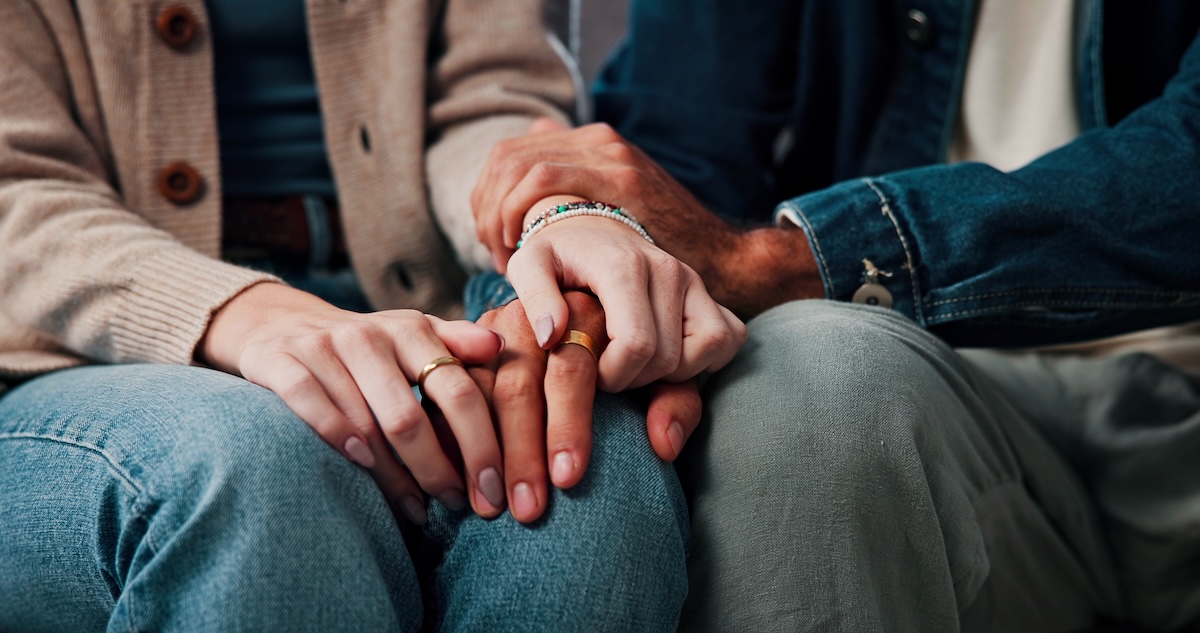
Grief after pregnancy loss and miscarriage can arrive in many forms. The hollowness that follows a scan appointment. The shock that makes the days feel unreal. The anger that catches you off guard, and the sadness that stays with you long after the physical side has passed. There is no single way this grief looks or feels. What you notice can range widely, from guilt and resentment to numbness or a deep sense of devastation. Whatever you are feeling is a natural response to a real loss.1
Why grief after pregnancy loss is different
Pregnancy loss is often called an invisible grief. There may be no funeral, no public ritual, and the people around you may not have known you were pregnant at all. When the loss happens before others were aware, there can be little recognition of it, and that can leave you feeling isolated, as though your grief does not count. It does.2
The grief you are carrying reaches beyond the pregnancy itself. You are grieving the baby and the future you had already begun to imagine: the way your family would look, the hopes you had formed, the person you were already thinking about. Even if you never held or met your baby, that bond can be real and strong, and the loss of those hopes is something to grieve fully.3
One feeling that often goes unspoken is a loss of trust in your own body. You might find yourself wondering what went wrong, or feeling as though your body let you down. This is a common response to pregnancy loss, and it can bring real anxiety with it, including worry about future pregnancies. If these feelings are affecting your daily life, it is worth speaking to your GP.4
The physical and emotional experience happening at the same time
After a miscarriage, your body and your emotions are both moving through a lot at once. You may have vaginal bleeding that lasts up to two weeks, along with abdominal pain or cramping. At the same time, pregnancy hormones including hCG, oestrogen, and progesterone drop suddenly. That hormonal shift can sharpen mood changes, adding mood swings and frequent crying on top of the emotional weight of the loss itself.5
If your physical symptoms feel severe, or anything is worrying you, call your GP or midwife. You do not have to manage this on your own.
When grief becomes harder to carry
Sometimes grief after pregnancy loss settles into something heavier. This can grow into anxiety, depression, or post-traumatic stress disorder (PTSD), a set of lasting symptoms that can follow a distressing event. These are real responses that can follow a loss. If your feelings become overwhelming, or you are finding it hard to manage day to day, it is worth speaking to your GP. They can offer support, refer you for counselling, and make sure you have the right care. Your hospital pregnancy unit can also give you information and follow-up.6
Talking therapies and counselling are available through the NHS across the UK. How you access them, and what the services are called, varies depending on whether you are in England, Scotland, Wales, or Northern Ireland, so your GP can point you to the right route for where you live.7
Grief in your relationship
If you have a partner, you may find you are both grieving in very different ways. One of you might need to talk openly and often, while the other processes the loss more quietly, or by getting back to routine. These differences can create distance and friction, and can leave each of you feeling alone with the loss. Two different styles are simply two ways of carrying the same loss.8
A partner who was not carrying the pregnancy grieves too, and that grief is often overlooked. They may have felt the loss of the same baby and the same future, yet find that friends, family, and even healthcare professionals turn all their support towards the person who was pregnant. Some partners feel pressure to stay strong, and their own grief can go unexpressed for a long time. Recognising that you are both grieving, even differently, can help.9
Talking openly, even when it is hard, can help you move through this time together. Accepting that you may feel things differently, and finding ways to acknowledge and remember your baby as a couple, can bring some sense of connection during a period that can otherwise feel very isolating.10
Support available to you across the UK
You do not have to go through this on your own. Several organisations offer free, specialist support for anyone affected by pregnancy loss and miscarriage grief across the UK.
- The Miscarriage Association offers a UK helpline, live chat, email support, and local and online support groups for anyone affected by miscarriage, ectopic pregnancy, or molar pregnancy. Support is there for partners and families too. Check the current contact details on the Miscarriage Association website before you call.
- Tommy's runs a free helpline staffed by specialist midwives trained in bereavement support. They also run online support groups and a dedicated programme called Wellbeing after Miscarriage. Check the current contact details on the Tommy's website.
- Sands (Stillbirth and Neonatal Death Charity) supports anyone affected by the death of a baby, including later-stage pregnancy loss. They have an online community, a bereavement support app, and local support groups across the UK. Their focus is mainly stillbirth and neonatal death, so if you have had an early miscarriage, the Miscarriage Association or Tommy's may be a better starting point. Check the current contact details on the Sands website.11
Helpline numbers and service details can change. Always check directly with the relevant organisation for the most current information before you reach out.