

Hunger in pregnancy can feel relentless, and the pressure to eat well for your baby adds another layer to every meal. You might have heard that you need to eat for two, and your appetite might well be agreeing with that statement. However, the shift in calorie needs across pregnancy is far more modest than originally thought. Understanding what actually changes, and when, can help you eat with more confidence throughout your pregnancy.
Why eating for two gets calorie needs in pregnancy wrong
The phrase "eating for two" suggests your food intake should roughly double once you are pregnant. You do not need to eat twice as much to support a healthy pregnancy. The idea has stuck around for generations, yet it overstates how much more you actually need, and it can lead to more weight gain than is usually advised.1
A healthy diet during pregnancy follows the same guidance as the general population as set out in the Eatwell Guide. There is no special pregnancy diet to follow. What matters is getting the right balance of nutrients from a varied diet.2
How calorie needs change trimester by trimester
The practical answer to how your calorie needs change across pregnancy is simple. For most of it, they do not change at all.
First and second trimesters
Through the first and second trimesters, you do not need any extra calories beyond your usual daily intake. Your body adapts to make the most of the foods that you do eat, therefore the amount of calories that your body requires does not change. The quality of your food still counts, opting for nutrient dense meals and snacks becomes the priority.4
The small rise in the third trimester
In the third trimester, an extra 200 calories a day is recommended. This is the only point in pregnancy when an increase in calories is advised.5
Two hundred calories is a small amount of food. To put it in proportion, that is roughly a slice of toast with butter or peanut butter, or a pot of yoghurt and a banana. It shows how modest the rise really is, and why treating pregnancy as a time to double your intake, does not match what your body needs.6
Quality over quantity throughout pregnancy
Your baby relies on you for the right balance of nutrients to grow and develop. That is why nutrition in pregnancy matters so much, and getting the right balance of nutrients is so important.7
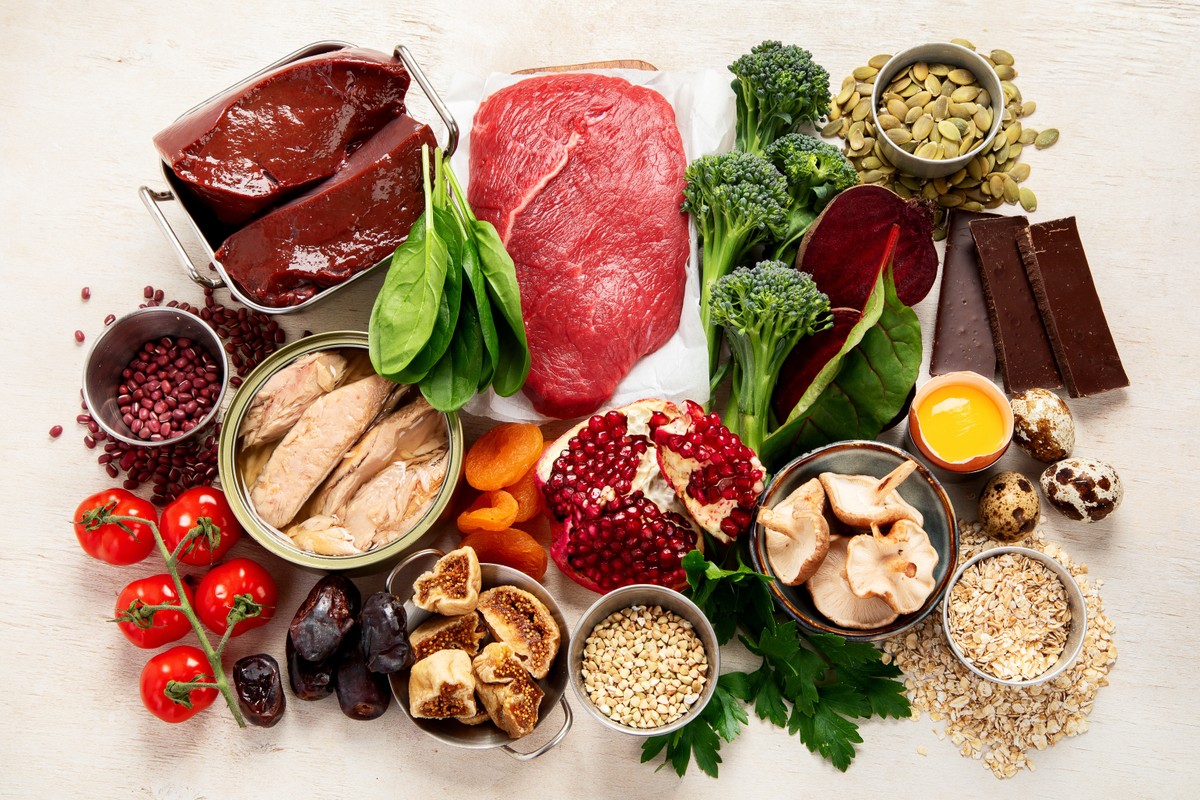
A balanced pregnancy diet is the same as the general population, base your meals on starchy carbohydrates (wholegrain where possible), ensure that you are getting at least two portions of protein per day, aim for at least five portions of fruits and vegetables, include two to three portions of dairy or plant-based alternatives and choose healthier fat options such as olive oil, nuts and avocado where possible. Aim to eat two portions of fish per week, at least one of which should be oily such as salmon, mackerel and sardines.8
Starting the day with a nourishing breakfast can help balance your energy levels throughout the day. If nausea and vomiting make breakfast hard to face try to eat something as soon as you wake up (even a single cracker or biscuit can be enough to help settle your stomach).9
Supplements that matter alongside a balanced diet
Most nutrients are best coming from food, but there are two nutrients which you cannot get enough of through your diet that are recommended throughout all pregnancies. Folic acid matters before conception and through the first 12 weeks of pregnancy. The standard dose for most people is 400 micrograms a day. A higher dose of 5 mg may be recommended if you have a higher risk of neural tube defects. These are problems in how your baby's spine and brain form. Risk factors include a body mass index over 30, a family history, or taking certain medications. A 10mcg vitamin D supplement is also recommended throughout pregnancy and while breastfeeding. Your GP or midwife can confirm the right dose for you.10