
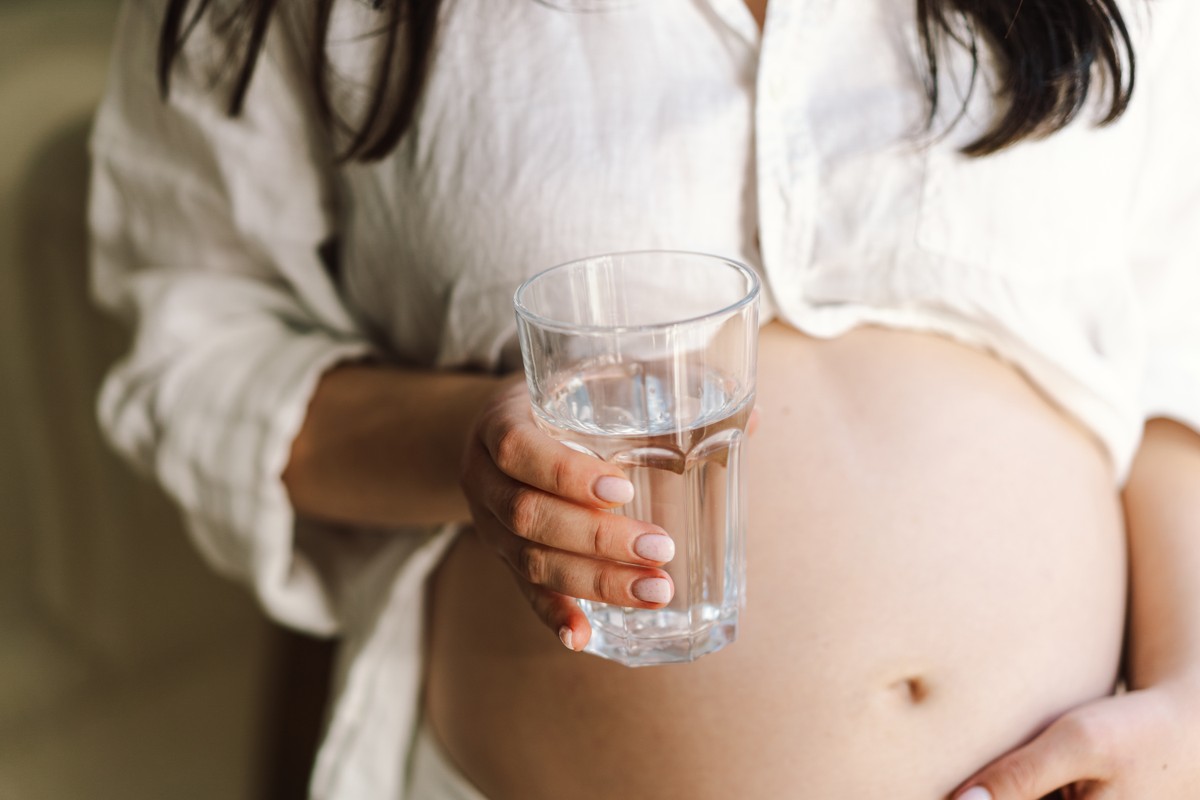
Many women struggle with nausea in early pregnancy, the underlying sickness feeling can make food the last thing on your mind. Food aversions turn up without warning, smells you never used to notice become overwhelming, and a full meal can feel genuinely impossible. This is one of the most common parts of early pregnancy. The nausea and vomiting of the first trimester come down to the hormonal shifts of early pregnancy, and they affect the vast majority of pregnant women. Symptoms usually start between weeks four and seven, and for most they ease by around twenty weeks.1
When your eating is poor during the first trimester your baby takes what it needs from your own body stores, your baby draws what it needs from your body's stores. Eating less for a while during this period does not put your baby's health at risk. The aim right now is to keep something down, keep your fluids up, and protect the nutrients that matter most.2
Pregnancy sickness and why an empty stomach makes it worse
Nausea and vomiting in pregnancy is rarely just a morning thing. It can last all day, shift in intensity, and sometimes is linked to what you do, or do not eat. An empty stomach often makes it worse, and aversions to certain smells or textures can make it hard to work out what you can actually tolerate. That link between an empty stomach and worsening symptoms is part of why eating little and often can help more than trying to eat a full meal at this stage. 3
Nausea and vomiting usually start between weeks four and seven. For nine out of ten women, they ease by twenty weeks. If you are in the first trimester right now, it can help to know this phase is often time-limited and you are likely to feel much better in the second trimester.4

When nausea and vomiting go beyond normal pregnancy sickness
Hyperemesis gravidarum (HG) is a severe form of pregnancy sickness, where constant nausea and vomiting stops you keeping enough food or fluid down. It is different from standard morning sickness in both how intense it is and what it means for your health. Signs your symptoms may have moved into HG include significant weight loss, signs of dehydration like dark urine or dizziness, and not being able to keep any food or drink down for long stretches. HG is a serious medical condition and needs treating with medication and potential hospital treatment.5
Eating enough when appetite is low: what helps
When your appetite is low, the aim is to keep eating small amounts throughout the day, trying to avoid long gaps between meals and snacks. Small amounts every one to two hours can help the empty-stomach feeling that tends to ramp up nausea. Constant grazing throughout the day can work better than set mealtimes at this point.7
Plain, high-carb, low-fat foods are often the easiest to manage when you are struggling with nausea. Crackers, toast, pasta, and plain rice are usually a better option than rich or heavily seasoned food. When smells are a big trigger for you, cold meals such as sandwiches, cereal or pasta salads can feel easier than hot meals. Sometimes just the smell of cooking can be enough to trigger nausea and vomiting. Bland, soft foods are gentler on your stomach during this time.8
Keeping your fluids up matters as much as eating. Sipping little and often through the day is easier to manage than drinking a lot in one go. Water, iced drinks, or diluted juice can all help. If plain water is hard to stomach, iced or flavoured options are a reasonable choice while nausea is affecting how much you take in.9
Prioritising folate and iodine when eating is hard
Two nutrients deserve a bit of extra attention when your food intake is limited: folate and iodine.
Folic acid in the first trimester
UK guidance recommends a daily 400 microgram folic acid supplement from before conception through to the end of the first 12 weeks, to help prevent neural tube defects. This one matters however much you are eating, because food alone often does not meet the requirement. If your prenatal multivitamin is making nausea worse, try taking it at night with a small snack. If that still doesn't help, many find that a standalone folic acid supplement is better tolerated.10
You may need a higher dose of 5mg folic acid a day if you have certain risk factors, including a BMI over 30, a personal or family history of neural tube defects, diabetes, coeliac disease, or some medications. If any of these apply to you, raise it with your GP or midwife.
Iodine and brain development
Iodine helps your baby's brain develop. In the UK, the main food sources are milk, dairy, and fish. If nausea is cutting back how much of these you eat, it is worth knowing your iodine intake may be lower than usual right now. Cubes of cheese, fish fingers and scampi can be better tolerated options. If you follow a vegan or dairy-free diet, ensure that you are having regular intake of plant-based milk alternatives which are fortified with iodine (you can check on the packaging). Routine iodine supplements are not recommended for everyone in pregnancy, so if you have concerns about your intake, talk it through with your GP or midwife.11
Low appetite and nausea in the first trimester are a common part of early pregnancy. Working with what you can tolerate, eating small amounts regularly, keeping your fluids up, and staying on top of your folic acid covers the most important ground. If your symptoms are severe, call your GP or midwife as there are treatments available which can help.