Working out what is safe to eat in pregnancy can feel overwhelming, especially when the advice seems to shift depending on who you ask. A handful of foods carry a small but specific risk of infection or harm to your baby, and once you know which ones to avoid and why, eating well becomes far more straightforward. This guide to food safety in pregnancy covers the main things to watch: what to leave off your plate, what to keep within limits, and where cooking something properly changes the picture.
Cooking meat all the way through
Raw or undercooked meat is best avoided while you are pregnant. It carries a small risk of toxoplasmosis, an infection that can cause miscarriage. This goes for all meat and poultry, sausages, steak, and minced meat included, so cook everything through until there is no trace of pink or blood.1
Cold cured meats like salami, pepperoni, chorizo, and prosciutto are cured and fermented rather than cooked. Since they never get heated during production, they can carry the parasites behind toxoplasmosis. It is best to avoid them unless you cook them until they are steaming hot all the way through.2
Fish and shellfish to watch
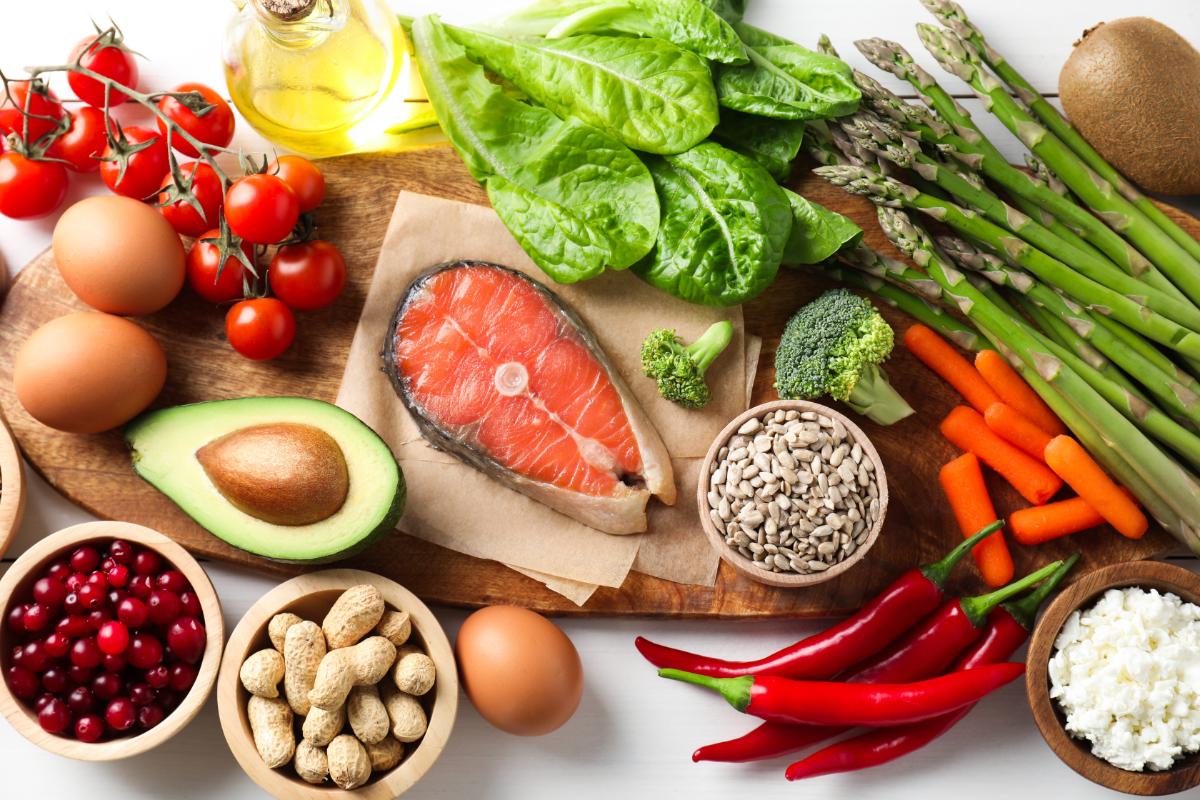
Raw shellfish is best left off the menu, since it can carry bacteria, viruses, or toxins that cause food poisoning. Raw, cold-smoked or cured fish, including sushi, smoked salmon and gravalax, can carry listeria, so it is worth avoiding these too unless they are cooked until steaming hot.3
Shark, swordfish, and marlin are best avoided completely during pregnancy. They contain high levels of mercury, which can harm your baby's developing nervous system.4
Tuna holds more mercury than most other fish, so it is worth keeping your intake to no more than two tuna steaks (around 140g cooked) or four medium cans a week. Oily fish like salmon, mackerel, and sardines are a great choice as they are an excellent source of long-chain omega-3 fatty acids, though they can carry pollutants such as dioxins, so two portions a week is the suggested limit.5
Soft cheeses and the listeria risk
Mould-ripened soft cheeses like brie and camembert, along with soft blue-veined cheeses such as Danish blue, gorgonzola, and roquefort, are best avoided, even if they are pasteurised. Their higher moisture content is the perfect environment for listeria bacteria to grow, and listeriosis can lead to miscarriage, stillbirth, or serious illness in a newborn.6
All of the cheeses above are fine once cooked until steaming hot throughout, say in a baked dish or on a pizza where the cheese has fully melted and is visibly hot.7
Hard cheese such as cheddar, parmesan and stilton are fine to eat, even when made with unpasteurised milk. This is because their low moisture content and high acidity make it hard for the listeria bacteria to survive. Soft pasteurised cheeses that are not mould-ripened are fine too, including cottage cheese, mozzarella, feta, cream cheese, ricotta, and halloumi. With feta, it is worth a quick look at the label, since some artisan versions are unpasteurised.8
Liver, pate, and too much vitamin A
Liver and liver products, including liver pate and liver sausage, are best avoided during pregnancy. They can hold very high levels of vitamin A, and too much vitamin A can harm how your baby's nervous system develops. It is worth avoiding all types of pate as well, vegetable ones included, since these can carry listeria bacteria too.9
Keeping caffeine within the limit
During pregnancy, the recommended limit is no more than 200mg of caffeine a day. Regularly going over this links to a higher risk of low birthweight and miscarriage. As a rough guide, 200mg is around two mugs of instant coffee or three mugs of tea. Caffeine is also found in cola and chocolate, so it all adds up throughout the day. Energy drinks in particular can be very high and should be avoided during pregnancy.10
Alcohol in pregnancy
The safest approach is to avoid alcohol completely during pregnancy. No safe level of drinking in pregnancy has been established, which is why it is recommended to avoid completely.11
Alcohol crosses the placenta and can seriously affect how your baby develops, since their liver is not developed enough to process it. The risk of long-term harm rises with the amount you drink. Heavy drinking during pregnancy can cause Fetal Alcohol Spectrum Disorder (FASD), a serious, lifelong condition affecting physical, mental, and behavioural development.12