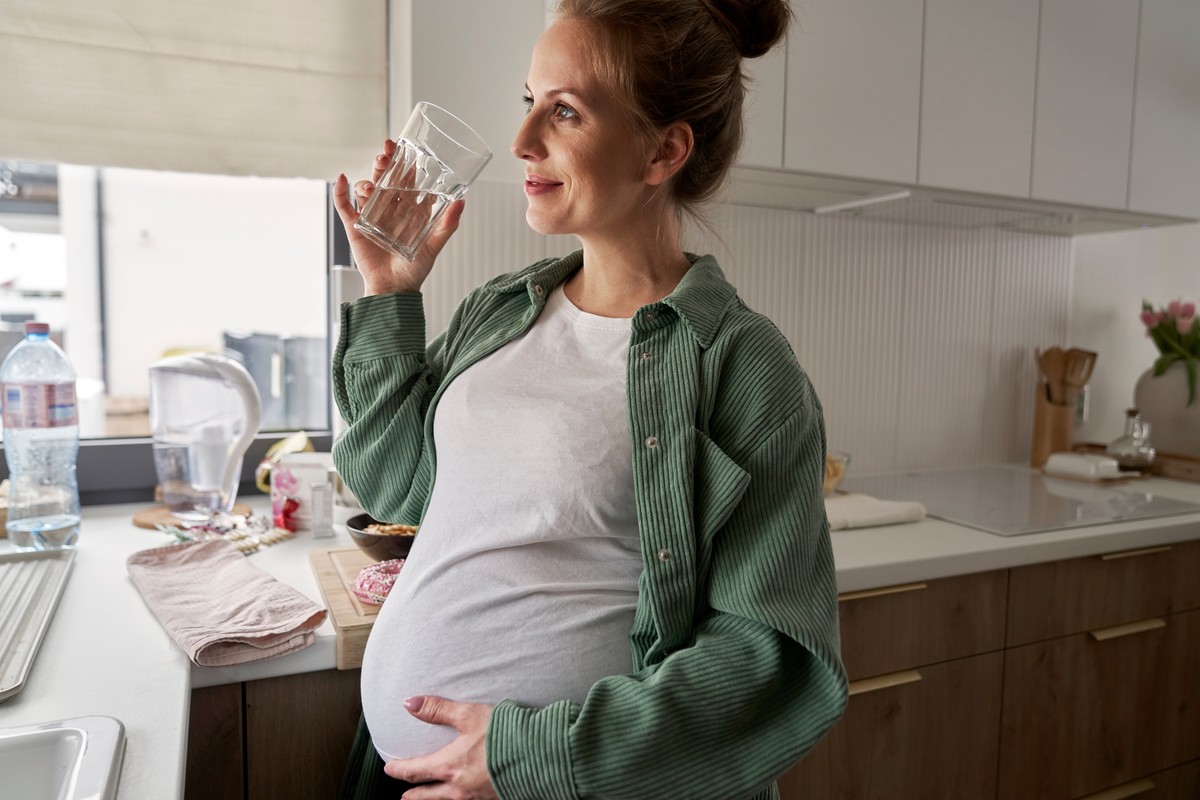
Pregnancy can bring a tiredness that lingers, new food aversions, and a wave of advice about what you should and should not eat. Some of it holds up, some of it does not. The idea that you need to eat for two, for example, does not match current guidance on nutrition in pregnancy. What actually shifts is more specific: which nutrients your body leans on, which supplements lower real risks, and which foods carry genuine safety concerns for your baby as it develops.
Calorie needs across the trimesters
You do not need extra calories through the first two trimesters. Your energy needs stay close to what they were before you were pregnant. In the third trimester, an extra 200 calories a day helps support the fast growth your baby goes through in those final weeks. That is a small amount, roughly two slices of wholemeal toast with spread. Your own needs may differ if you are carrying more than one baby, live with a health condition, or have a body mass index (BMI) outside the usual range. Your midwife or GP can talk through what fits you.1
Weight gain in pregnancy
If your pre-pregnancy BMI sat in the healthy range, weight gain across pregnancy tends to fall between 10 kg and 12.5 kg (22 lb to 28 lb), with most of it coming after week 20. This range is not a fixed target. Healthy weight gain depends on where you started, and your midwife or care team can give you a figure that reflects that. Gaining a lot more or less than expected can carry risks, so it helps to raise any worries at your antenatal appointments rather than trying to manage your weight on your own.2
Supplements recommended during pregnancy
A daily 400 microgram (mcg) folic acid supplement is recommended before conception and through the first 12 weeks. It lowers the risk of neural tube defects such as spina bifida, where the spine does not form fully. If your BMI is over 30, you have had a previous pregnancy affected by a neural tube defect, or you take certain anti-epileptic medicines, a higher daily dose of 5 mg may be advised, and this comes on prescription. Your GP or midwife can tell you which dose applies to you.3
A daily 10 microgram (400 IU) vitamin D supplement is recommended right through pregnancy and while breastfeeding. Vitamin D helps your body handle calcium and phosphate, which supports your baby's bones, teeth, and muscles as they form. If you qualify for the Healthy Start scheme, you can get free vitamins that include vitamin D. Do not take higher doses without checking with your GP first, as too much vitamin D can be harmful.4
Iron helps your body make red blood cells and guards against iron deficiency anaemia, which is more common in pregnancy because your body makes more blood to supply your baby. Good food sources include red meat, pulses, dried fruit, and fortified breakfast cereals, which cover you if you eat mostly or fully plant-based. In the UK, routine iron supplements are not recommended unless a blood test confirms you are low, so check with your midwife or GP before starting any.5
Foods to avoid and why
High levels of vitamin A in the form of retinol can harm your baby as it develops. Liver and all liver products, including liver pâté, are best avoided completely during pregnancy. Any supplement that contains vitamin A (retinol) is worth avoiding too. Beta-carotene, the form of vitamin A in plant foods like carrots and sweet potato, is fine and does not need limiting.6
Some foods carry a risk of listeriosis, a rare but serious infection that can cause miscarriage, stillbirth, or severe illness in a newborn. Mould-ripened soft cheeses like brie and camembert, and soft blue-veined cheeses like gorgonzola, are best avoided unless they have been cooked until piping hot all the way through. All types of pâté are worth avoiding, including vegetable pâté. Hard cheeses like cheddar and parmesan are safe, even when made from unpasteurised milk.7
Raw or undercooked meat is best avoided during pregnancy because of the risk of toxoplasmosis, a parasitic infection that can cross the placenta. Cold cured meats like salami and prosciutto carry the same risk unless they have been cooked thoroughly. Freezing cured meats for four days before eating lowers the risk, though it does not remove it completely.8
Shark, swordfish, and marlin are best left off the menu during pregnancy, as they hold high levels of mercury, which can affect your baby's developing nervous system. Keep tuna to no more than two steaks or four medium cans a week. Oily fish like salmon, mackerel, and sardines give you omega-3 fatty acids and are worth eating, though it is best to keep them to no more than two portions a week because of pollutants that build up in them.9
Caffeine and alcohol
UK guidance suggests keeping caffeine under 200 mg a day during pregnancy, as high intake links to miscarriage and low birthweight. Caffeine shows up in more than coffee and tea. It is also in cola, energy drinks, and chocolate, so it adds up across the day. Some researchers think avoiding it altogether may be safest, though that is not the current official UK advice. If you want to talk through your own intake, your midwife can help.10
The safest approach is to avoid alcohol completely during pregnancy. Alcohol can lead to miscarriage, premature birth, and Foetal Alcohol Spectrum Disorder (FASD), a group of lifelong conditions, among other harms. No safe level in pregnancy has been established. If you drank before you knew you were pregnant, your midwife can advise you on what this means for your pregnancy going forward.11
Frequently Asked Questions
If you have questions about any part of your diet or supplements during pregnancy, raise them at your next antenatal appointment or call your midwife. You can also call NHS 111 if you need urgent guidance between appointments.