

When you are pregnant and keeping active, you might notice your appetite shifting, your energy dipping partway through a session, or becoming more tired than you were used to. These are signs that what your body needs from food has changed. Fuelling your activity well, the nutrition you eat around exercise in pregnancy, shapes your energy, your recovery, and your baby's growth. Staying active does not call for a whole new diet. For the most part the foundation stays the same, a varied, balanced way of eating, with a few adjustments to support the extra work your body is doing.
Where eating for active pregnancy starts
You do not need a special diet to stay active while pregnant. The same balanced eating framework applies whether you exercise or not: plenty of fruit and vegetables, starchy wholegrain carbohydrates as the base of your meals, enough protein, dairy or dairy alternatives, and not too much saturated fat or added sugar. Activity does not change this. It just adds some emphasis within it.1
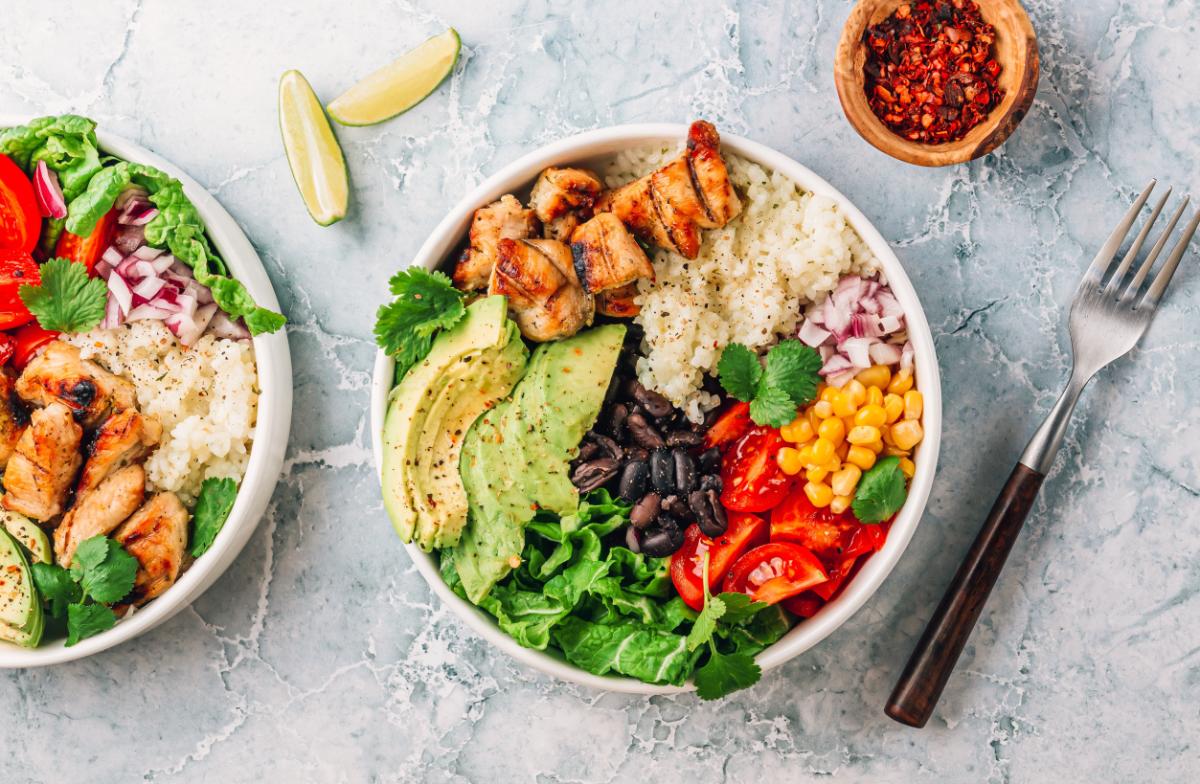
Exercise in pregnancy is recommended, it can help boost your mood, promote a shorter labour and help with not gaining excessive weight. However, it should be comfortable and within safe limits, it's not about peak athletic performance. The fuel your body needs for moderate, steady activity is quite different from what high-performance sport demands, which is worth remembering when you come across general fitness nutrition advice online.2
Extra calories when you are active
You have probably heard that pregnancy means eating for two from the start. In practice, that is not how it works. For most pregnancies, you do not need any extra calories in the first or second trimester, and only around 200 extra a day in the third. What you eat matters just as much as how much, the whole way through.3
When you exercise regularly, your calorie needs go up beyond this baseline. There is no exact figure as this will be very dependent on what exercise you are doing, the timings, intensity and your overall fitness levels. The general steer is to match what you eat to the energy you use, and to follow your hunger rather than aim for a fixed number. As your pregnancy progresses and your activity changes, your midwife or a registered dietitian can help you find the right approach for you.4
Protein for recovery and your baby's growth
Protein helps your muscles recover after exercise, and it supports your baby's growth too. Pregnancy adds a small amount to what you need, around 6 grams more protein a day on top of the usual adult requirement. That is a modest increase, and there is no separate target set for those who are also exercising regularly.5
Some research points to a higher intake in later pregnancy if you are active, in the region of 1.2 to 1.77 grams per kilogram of body weight a day. This is still emerging, and it has not made its way into approved guidance yet. If you train regularly, or you were very active before pregnancy, it is worth raising protein with your midwife or a registered dietitian, who can tailor the advice to you.6
Protein that fits easily into a pregnancy diet includes eggs, lean meat, fish (within the recommended limits for oily fish), pulses, dairy, tofu, and nuts. Spreading it across your meals and snacks, rather than loading it into one sitting, keeps a steady supply going through the day.
Carbohydrates as your main energy source
Carbohydrates are your body's main fuel for movement, and that stays true in pregnancy. Building your meals around starchy, complex carbohydrates works well here, with wholegrain versions the better pick: potatoes, wholegrain bread, brown rice, and wholemeal pasta give you slow-release energy plus fibre. Keeping these at the centre of your meals helps your energy stay steady through the day and during exercise.7
Hydration when exercising in pregnancy
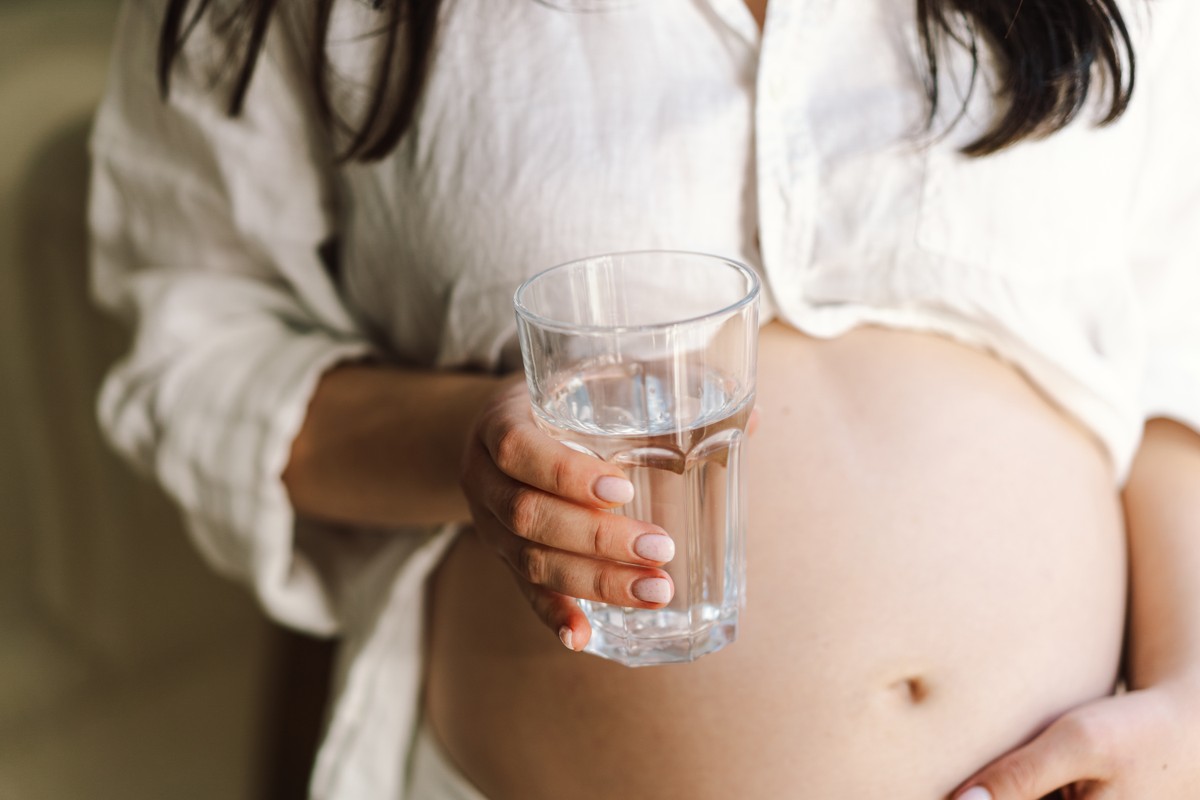
Keeping your fluids up matters more when you are pregnant and active. When you get dehydrated, your core temperature rises, and that carries risks in pregnancy, especially in the heat or during harder activity. The guidance is the same as the general population, aim for at least 2 litres of fluid a day, though this is only a guide, and what you actually need shifts with your body size, how active you are, and the weather.9
In practice, sip water before, during, and after exercise. Pale yellow urine usually means you are well-hydrated. Darker urine is your cue to drink more. Thirst can be a sign of mild dehydration so try to keep sipping so you don't feel thirsty throughout the day. Plain water suits most activity in pregnancy, and you do not need specialist sports drinks for moderate exercise.
What to eat before and after movement
There is no official guidance on timing meals around exercise in pregnancy, so what follows is practical and general rather than clinical. What sits well varies from person to person, and your midwife can help if you need more advice.
Before exercise
A light snack built around complex carbohydrates, around 30 to 60 minutes before you start, can help carry your energy through a session. A small bowl of porridge, a banana, or a slice of wholegrain toast all give a steady release without leaving you uncomfortably full. Heavy, high-fat meals just before you move take longer to digest and can sit uncomfortably during activity, so they are best avoided.10
After exercise
Afterwards, a snack or meal that pairs carbohydrates with protein within about an hour helps your muscles recover and tops up your energy. Fruit with yoghurt, or baked beans on wholegrain toast, both work well. 11
Bringing it together across the trimesters
In the first trimester, your calorie needs increase slightly with exercise, as they would at any other time, though nausea and food aversions can make eating around exercise feel hard. Aim to eat what you can manage, and keep your fluids up. By the second trimester, you may find your appetite and energy settle, which is often when staying active feels more doable, and the focus shifts to carbohydrate-rich meals and enough protein. In the third trimester, the extra 200 calories a day comes in, and if you are still exercising regularly, your appetite usually signals any extra you need. When your activity is moderate, hunger is a reliable guide.
If you feel like you need extra help managing your diet and exercise ask about it at your next midwife appointment, or ask for a referral to a registered dietitian.