
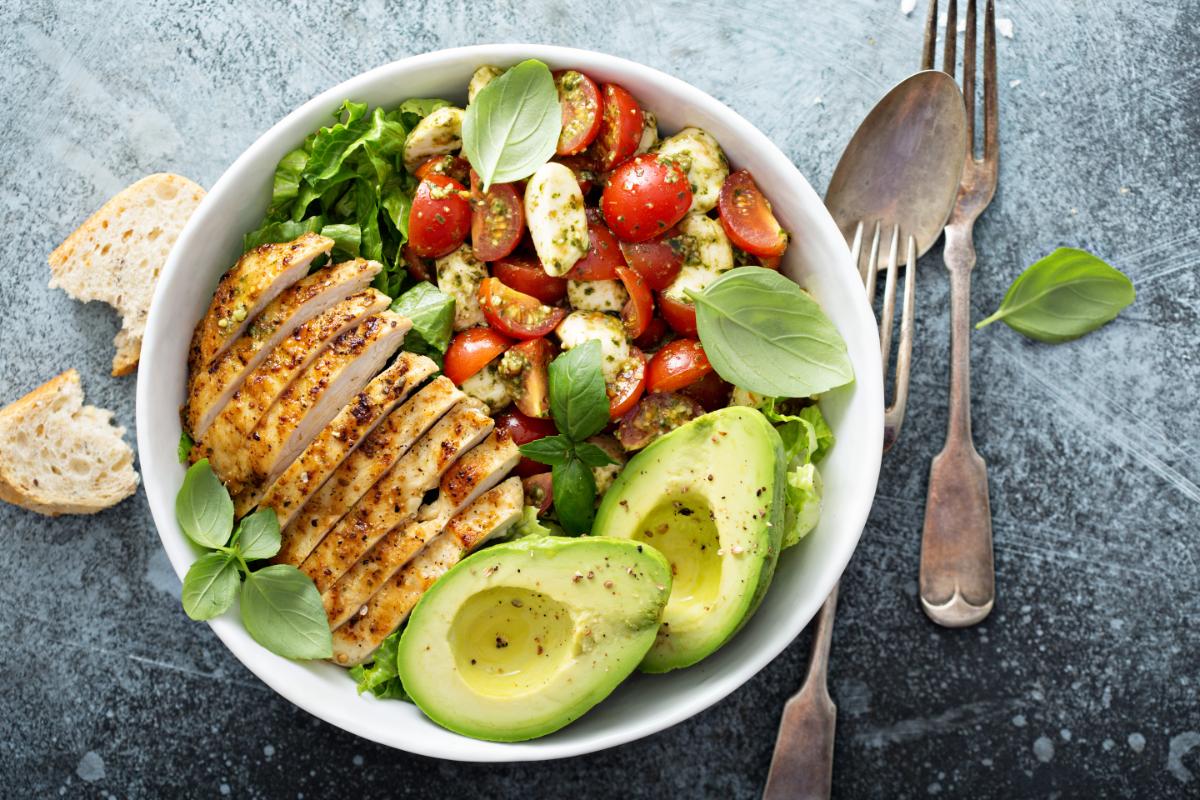
The first trimester can make eating well a challenging task for some. Any one of the normal pregnancy symptoms such as nausea, vomiting, food aversions and exhaustion can make eating difficult, let alone if they all occur at the same time. This is about the nutrients that matter most in these early weeks, the foods worth avoiding, and doing your best when your body doesn't feel like it's co-operating.
Folic acid: the most time-sensitive nutrient in early pregnancy
Folic acid is the single most time-sensitive nutrient to get right in early alongside eating more folate in your diet, a daily 400 microgram supplement is recommended from before you conceive and through the first 12 weeks, to lower the risk of neural tube defects (NTDs), which includes conditions such as spina bifida and can affect how the spine forms. Your baby's neural tube develops and closes in the first few weeks after conception, often before you even know you are pregnant, which is why starting early matters.1
A higher 5 milligram dose is recommended if you are at greater risk of an NTD-affected pregnancy. That can include having a body mass index (BMI) over 30kg/m2, diabetes, coeliac disease, or a personal or family history of NTDs. This higher dose is a prescription medicine in the UK, so if you think you may be in a higher-risk group, speak to your GP or midwife rather than trying to source it yourself.2
Other nutrients to prioritise in the first trimester
Vitamin D
A daily 10 microgram vitamin D supplement is recommended right through pregnancy and while breastfeeding. One of Vitamin D's roles is to help your body absorb calcium, which supports your baby's developing bones and teeth throughout pregnancy and your breastfeeding journey. In the UK, getting enough from sunlight and food alone is difficult, especially through autumn and winter. If you qualify for the Healthy Start scheme, your vouchers can cover free vitamin D supplements. Some pregnancy-specific multivitamins already include vitamin D, check the label to see if yours contains the correct dose.3
Iodine
Your iodine requirements increase during pregnancy. It is the mineral your body uses to make thyroid hormones, and those hormones are central to your baby's brain development. In the UK, milk, dairy products, and white fish are among the most reliable sources.4
One thing to steer clear of: kelp or seaweed supplements. These can hold very high and unpredictable amounts of iodine, which brings its own risks for your baby. If you are worried about your iodine intake, raise it at your next antenatal or GP appointment rather than supplementing on your own.5
Eating enough without eating for two
You do not need to eat for two. Although your energy requirements increase during your entire pregnancy, the body is very good at adapting and becomes more efficient. Assuming that you are already eating enough and meeting your normal energy requirements, the guidance is to only increase your energy intake by 200kcal per day in the third trimester. In these early weeks your baby's nutritional requirements are still very small. Trying to eat a variety of foods from all food groups (fruits, vegetables, starchy carbohydrates, fats, proteins and dairy or alternatives) gives you the range of nutrients you need.6
Managing nausea and keeping nutrition on track
Feeling sick, and being sick, is very common in early pregnancy. It often starts around weeks four to seven and tends to ease between weeks 12 and 20, but some people do struggle throughout their entire pregnancy. When your appetite is low, small and frequent meals of plain, carb-rich foods like crackers or toast can be easier to keep down than bigger meals. Sipping fluids steadily through the day, rather than drinking a lot at once, can help too.7
Foods and substances to avoid in pregnancy
A few foods carry a real risk in pregnancy and are worth cutting out completely. Mould-ripened soft cheeses, all pâté, and raw or undercooked meat can carry listeria or toxoplasma, both of which can seriously harm a developing baby. This is not the full list. For the complete and current one, check the official guidance on foods to avoid in pregnancy.8
Eggs are fine to eat raw or partially cooked in pregnancy as long as they carry the British Lion mark, the small red lion stamped on the shell. That covers hen's eggs produced under the British Lion Code of Practice. Duck, quail, and other eggs, or eggs without the Lion mark, do not come with the same assurance and should be fully cooked when eaten.9
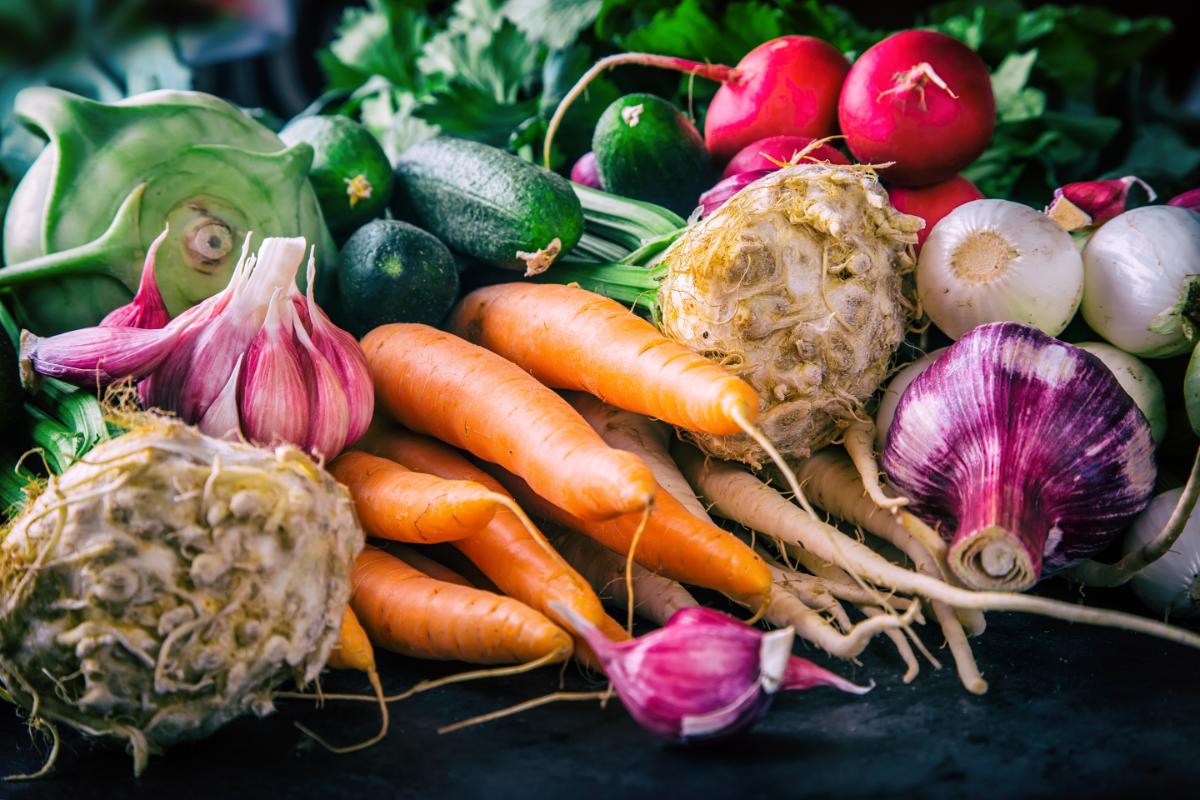
Vitamin A comes in two forms; retinol and beta-carotene. High doses of retinol can be harmful to a developing baby and supplements containing vitamin A (including cod liver oil) and liver and liver products should be avoided altogether. Beta-carotene, the plant form of vitamin A found in foods like carrots and sweet potatoes, is safe.10
Caffeine limits during pregnancy
Guidelines suggest keeping caffeine intakes under 200mg per day. Higher intakes of caffeine are linked with low birthweight. As a rough guide, a teaspoon of instant coffee contains 60-100mg, a cup of tea around 75mg, a single shot of espresso 80-100mg and a can of cola around 40mg. Energy drinks are best avoided and some can contain up to 160mg per can. Caffeine also turns up in chocolate and some cold and flu remedies, so it adds up across the day.11
Alcohol in the first trimester
The safest approach is to avoid alcohol completely while you are pregnant. There is no known safe level of alcohol in pregnancy, and not drinking removes the risk entirely.12
If you have questions about your supplements, what to avoid, or specific risk factors like a previous NTD-affected pregnancy or an existing medical condition, raise them at your booking appointment or with your GP as early as you can in the first trimester.