

When you are carrying twins, the heaviness can set in earlier, fullness arrives after just a few bites, and your body still needs more from every meal. Eating for a multiple pregnancy is not simply a bigger version of singleton advice. The demands on your body change, and getting to grips with those differences gives you a practical place to start. Your midwife or obstetrician can give you targets that fit you. This article covers the key areas so you can walk into those conversations already prepared.
How energy needs differ in a twin pregnancy
In the UK, there isn't specific guidelines around nutritional needs in a twin pregnancy. However many experts agree that it is likely that nutritional needs will increase with each baby carried. The current guidance remains at an extra 200kcal in the third trimester only, the same as a singleton pregnancy, but your individual circumstances are best discussed with your healthcare team.
Increased protein requirements for twins
Protein helps all babies grow and develop correctly throughout pregnancy. Your protein requirements also increase as you grow the placenta, your expanding uterus and other maternal tissues required to support pregnancy. In the UK there is again, no specific guidance on protein requirements in twin or multiple pregnancies. If you are concerned about your protein intake discuss this with your healthcare team.1
Easy sources of protein include lean meat, eggs, beans, nuts, and fish. If you eat a plant-based diet, beans, lentils, tofu, nuts, and seeds can do a lot of the work. If you eat fish, there is standard pregnancy guidance to follow on safe amounts, which sets limits on oily fish and advises steering clear of shark, swordfish, and marlin. If you are thinking about high-protein shakes to top up your intake, check the product with your healthcare team first, since they vary and not all are suitable in pregnancy.
Iron needs and anaemia risk in multiple pregnancy
Anaemia, which means your iron has run low, is more likely to occur if you are carrying twins or multiples compared to a singleton pregnancy. Each baby draws on your iron stores, so with more than one on board your levels can dip more easily, and that often shows up as tiredness. Your antenatal team will keep an eye on your iron levels and you should be offered an additional blood test at 20 to 24 weeks.2
In the UK the recommended dietary intake of iron is no difference in singleton or multiple pregnancies and remains at 14.8mg per day. Instead, you will be offered additional screening and prescribed iron supplementation if required. Good dietary sources of iron include red meat, poultry, beans, lentils, pulses, green leafy vegetables, dried fruit and fortified breakfast cereals. Although liver is an excellent source of iron it is best avoided in pregnancy due to its high levels of vitamin A. Tannins found in tea and coffee can inhibit iron absorption, so these are best avoided around mealtimes, whereas vitamin C can aid absorption so try having some tomato or oranges with foods which are high in iron.3
Folic acid: why the standard supplement may not be enough
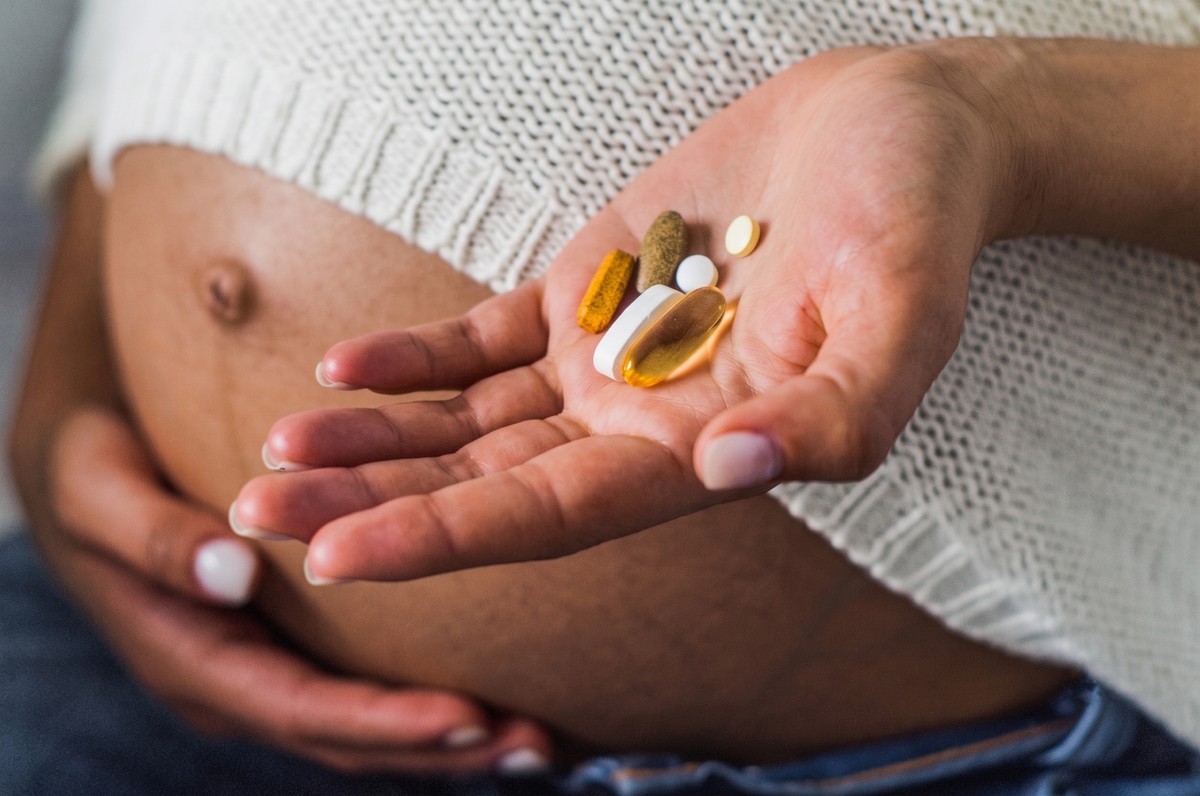
The UK guidance for folic acid in twin pregnancies remains that same as in singleton pregnancies, which is a 400mcg supplement for the first 12 weeks unless you have a specific health reason (e.g. diabetes or coeliac disease) requiring 5mg. This is likely because the neural tubes are likely fully closed before most women will know they are carrying multiples. Some NHS trusts suggest a 5mg supplement throughout your entire pregnancy, check with your midwife or GP about what is best in your individual circumstances.4
Practical eating when your appetite is suppressed
As your babies grow, they put more pressure on your stomach reducing your capacity to eat large volumes of food. For some big portions feel daunting and impossible, as the babies continue to grow they take up more and more room, leaving less space for your stomach. Trying to eat little and often can be much more manageable, try to have smaller portions of your main meals but have additional snacks throughout the day.5
Getting more energy from smaller portions
Adding calorie-dense extras to your usual meals is one way to get more in without eating larger portions. You might stir cream into porridge, scatter nuts and seeds over your food, or add hummus or mayonnaise to a sandwich. If you use mayonnaise, choose one made with pasteurised eggs. Homemade or restaurant mayonnaise made with raw eggs carries a food safety risk in pregnancy, so it is best avoided.7
Making fluids work harder
Making sure you stay hydrated can also be challenging. Drinking lots with a meal can fill you up leaving less room for food. Try to constantly sip drinks throughout the day to ensure you remain hydrated. If you are struggling to eat enough, nourishing drinks such as milkshakes, smoothies, fruit juices or just a glass of milk (or plant-based alternatives) can be an excellent way to get additional calories and nutrients into your day.8
If you are finding it hard to eat enough, or you have questions about your weight gain, iron levels, or supplement plan, bring it up at your next antenatal appointment. Your midwife can refer you to a registered dietitian who specialises in pregnancy if your needs are more complex.