

By the last 12 weeks of the third trimester, the heaviness of late pregnancy can make eating feel more complicated than it used to. Your stomach sits higher, meaning that you often feel fuller quicker, and heartburn has a way of arriving without warning. Nutrition in the third trimester of pregnancy is shaped partly by your baby rapidly growing and partly by the unwanted side effects that the third trimester often brings. Getting your nutrition right at this stage consists of meeting your baby's nutritional needs whilst eating in a way that is practical and doesn't make unwanted discomforts worse.
A modest increase in energy in the final trimester
For most of pregnancy you do not need to consume any additional calories. However in the third trimester you do need to increase your energy intake to support your baby's rapid growth. If you are a healthy weight, the general guidance is around 200 extra kilocalories a day. That is roughly one slice of toast with peanut butter, or a yoghurt and a banana. If you have obesity, gestational diabetes, or another health condition, your advice may differ, so check with your midwife or GP if you are not sure which applies to you.1
Omega-3 and DHA for your baby's brain development
Your baby's brain and nervous system grow quickly in these final weeks. Long-chain omega-3 fats, especially one called DHA (docosahexaenoic acid), are important to support this development. Oily fish is one of the richest sources, so it is a useful thing to have on your plate at this stage. Salmon, sardines and mackerel are all good options. If you don't include fish in your diet you can get some omega-3 from flaxseeds, chia and walnuts. However there are good sources of ALA (alpha-linoleic acid) which is a different form of omega-3 and although small amounts can be converted into DHA in the body, it is often not enough.2
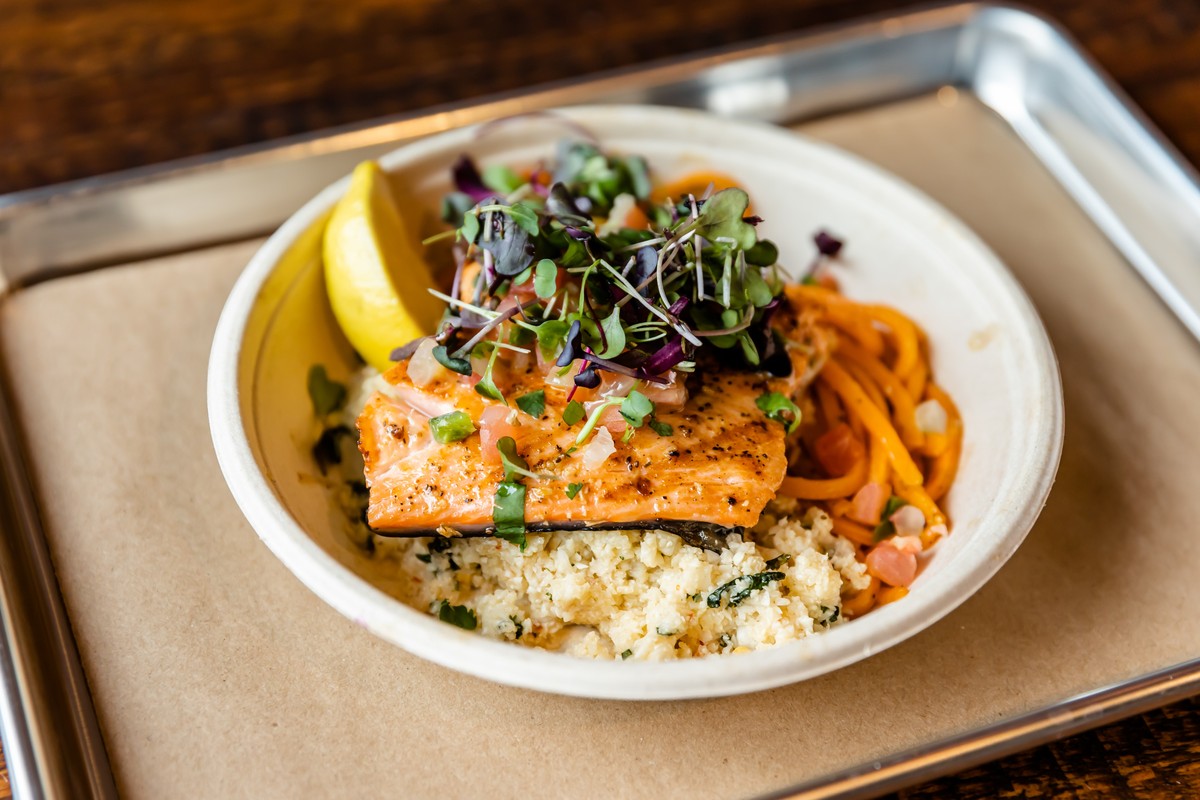
There is a limit worth knowing. Oily fish can carry low levels of pollutants that build up if you eat a lot of it, so the recommended maximum is two portions a week, with a portion at around 140g. Staying within that lets you get the omega-3 without going over the safe amount.3
If you take a fish oil supplement, check it is not made from fish liver oil, like cod liver oil. Fish liver oils are high in vitamin A (retinol), and too much vitamin A can harm your baby. Look for omega-3 made from fish body oil instead, and skip any high-dose multivitamin that lists retinol. If you are vegetarian, vegan, or have a fish allergy, a vegan omega-3 supplement may be beneficial. Ensure that it does not contain vitamin A.5
Vitamin D throughout the third trimester
The advice across pregnancy and breastfeeding is to take a daily vitamin D supplement. The recommended dose is 10 micrograms per day. It helps your body absorb calcium and phosphate, the minerals your baby needs to build bones, teeth, and muscle. UK sunlight is not reliable enough to cover this on its own, so a daily supplement is recommended to meet your requirements.6
Smaller, more frequent meals for third trimester comfort
During the third trimester your organs, including your stomach, become squashed to make room for your growing baby. This can lead to a smaller appetite and feeling fuller more quickly. Three big meals per day can be unrealistic for some and can increase heartburn and indigestion symptoms. Smaller meals throughout the day often feel more manageable and can be easier to digest.7
Eating to reduce heartburn
Heartburn can be very common in the third trimester. Spicy, rich, or fatty foods tend to make it worse, so avoiding these where you can may help. Try not to eat right before bedtime, and stay upright for a while after meals rather than lying straight down. If heartburn is breaking your sleep, raising the head of your bed a little with extra pillows and cushions can sometimes ease it.8
Managing constipation through diet
Constipation is another common symptom during pregnancy. Hormone shifts and the pressure of your growing baby on your bowel both feed into it. Eating more fibre, from wholegrains, fruit, vegetables, pulses, nuts and seeds, alongside plenty of fluids and some regular gentle movement, can help keep things moving. 9
Foods to be mindful of in the third trimester
The food safety advice you have followed through pregnancy still stands in the third trimester. The foods below carry a risk of listeriosis or toxoplasmosis, two infections that can pass to your baby, so it is best to avoid them:
- Mould-ripened soft cheeses such as Brie and Camembert, and soft blue-veined cheeses such as Roquefort, unless cooked until steaming hot throughout.
- All types of pâté, including vegetable pâté.
- Raw or undercooked meat and fish.
- Unpasteurised milk and dairy products.10
Keeping caffeine within the recommended limit
The recommended limit is 200mg of caffeine a day, throughout pregnancy including the third trimester. High caffeine intake is linked to low birthweight and to miscarriage. 200mg looks like two mugs of instant coffee or three mugs of tea. Caffeine is also present in cola and chocolate, so it is worth adding up everything across the day.11