
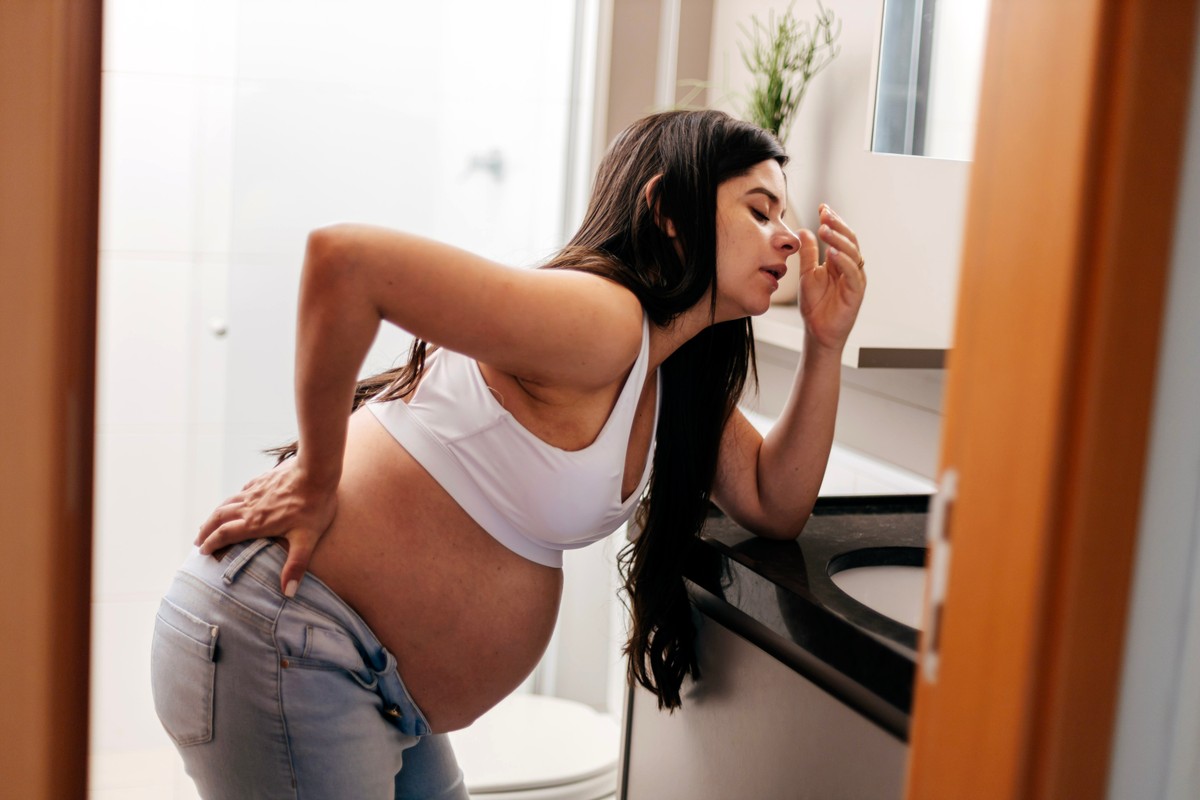
The wave of nausea that can hit before you have even got out of bed is one of the most common parts of early pregnancy. It can come at any time of day, not just the morning, and often starts somewhere between weeks 4 and 7. It may ease for you by weeks 16 to 20, or it might linger a little longer. Nausea and vomiting in pregnancy, usually called morning sickness, affects around 70 to 75% of pregnant women. Managing morning sickness in those early weeks can take some trial and error, but there are practical steps that can help.1
Nobody fully understands what causes it, though it seems to track with the hormonal changes of the first 12 weeks. This article walks through what you can try at home and when it is worth getting medical advice. Think of it as general information; your GP or midwife can give you guidance for your own situation.2
Eating and drinking to manage morning sickness
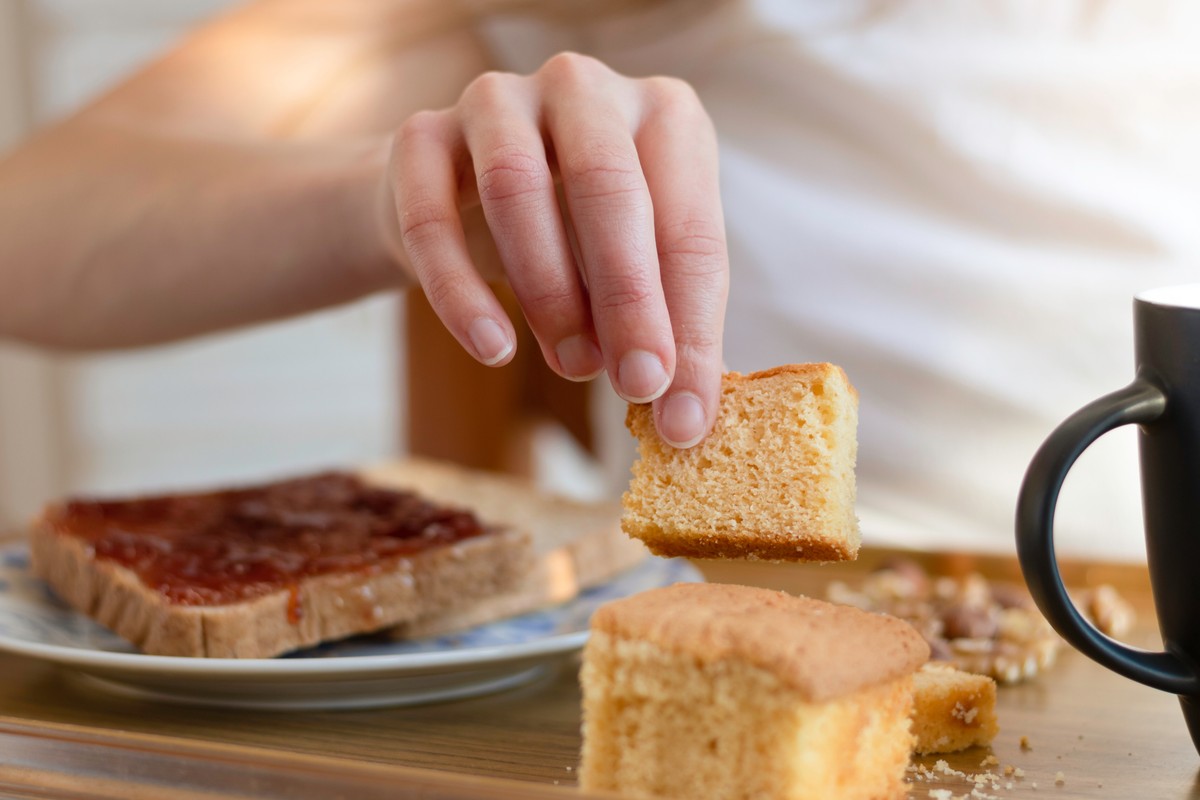
Nausea often gets worse on an empty stomach, so eating small amounts often, roughly every one to two hours, can keep it more settled. Having a dry biscuit, cracker, or piece of toast before you get up in the morning may take the edge off that early queasiness.3
Plain, starchy, low-fat foods like toast, crackers, pasta, and rice tend to go down more easily. Spicy, fatty, or greasy meals often make things worse, so you may want to steer clear of them. Fluids matter too. Sipping small amounts through the day, rather than a big glass at once, is often easier on your stomach, and sucking on ice cubes can help if even water feels like too much.4
Rest and steering clear of triggers
When you are tired, the nausea often feels worse, so resting where you can may make a real difference. You might also notice that certain smells or foods can trigger nausea, and avoiding those where possible helps. Keeping rooms well aired can cut down on the odours that tip nausea over the edge.5
Trying ginger and acupressure bands
Ginger is a long-standing remedy for pregnancy nausea, and you may find it takes the edge off, though it does not work for everyone. Ginger tea, ginger biscuits, or crystallised ginger are the forms usually suggested. High-dose ginger capsules and supplements are not advised in pregnancy, so it is worth checking with your midwife or GP before trying any supplement.6
Acupressure wristbands, worn on the inner wrist, may be helpful for morning sickness. The evidence that they work is thin, though they are generally fine to try if you want to.7
When to call your GP or midwife
Hyperemesis gravidarum (HG) is a separate, serious condition. It affects around 1 to 3 in every 100 pregnant women, may not settle by weeks 16 to 20, and often needs medical treatment. At that level of severity, your GP or midwife will need to be involved and can assess you and arrange the right care.9
If your sickness is severe, a doctor may prescribe anti-sickness medication that is safe to use in pregnancy. In the UK there is one medication licensed specifically for pregnancy sickness, and others may be prescribed depending on your situation. That decision sits with the clinician prescribing it, so do not take any anti-sickness medication without speaking to your GP or midwife first. If you are not sure whether your symptoms need urgent attention, you can call NHS 111.10