
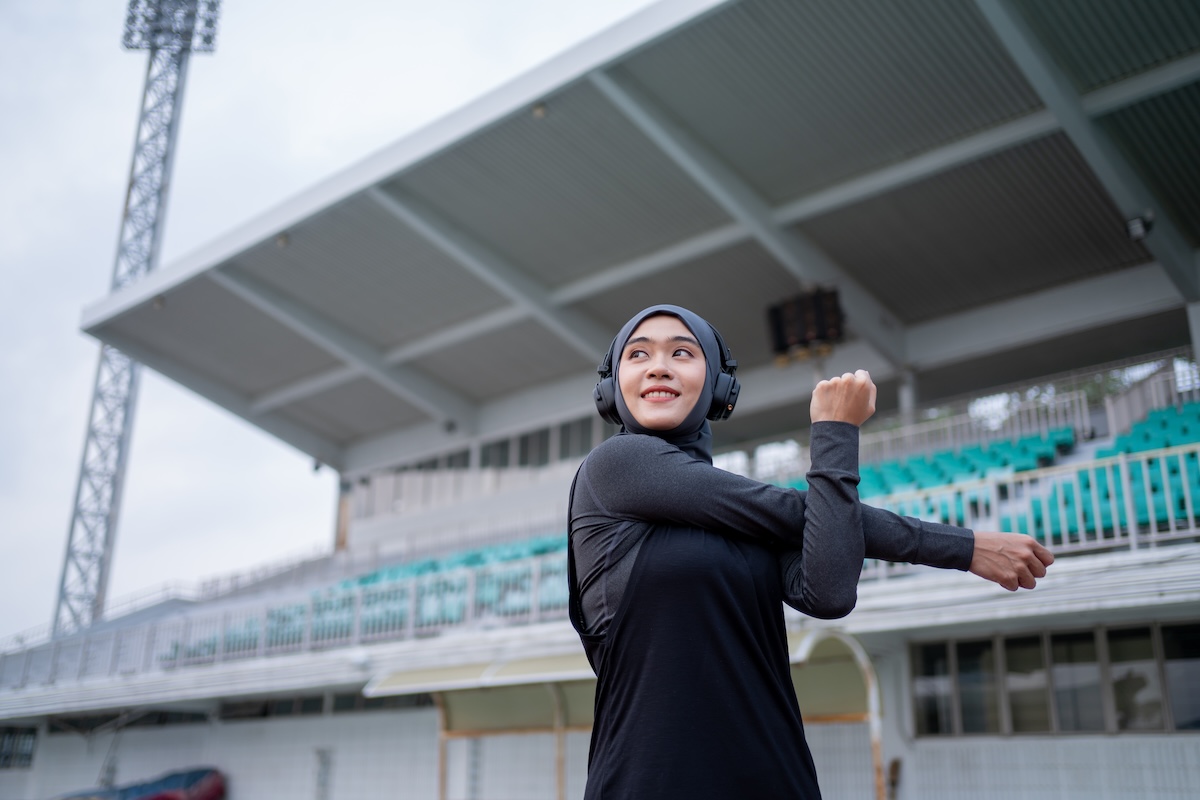
The follicular and ovulatory phases run from the start of your period through to the release of an egg. Across this window, oestrogen rises and then peaks, and many people notice a shift in their energy, drive, or how movement feels during this time. That is not universal though, and how this phase feels will be individual to you. Understanding what is happening hormonally across this window can help you make sense of your own experience, whatever that looks like
What your body is doing across the follicular and ovulatory phases
Ovulation itself is a short window, usually around days 14 to 16 in an average 28-day cycle, though cycle length varies a lot from one person to the next. It brings a peak in oestrogen and a surge in luteinising hormone (LH), the hormone that triggers the release of an egg. This is the high point of the climb before your cycle moves into the luteal phase.5
What many people notice about training in this window
As oestrogen rises, your energy often climbs with it, which can make the follicular and ovulatory phases feel like an easier time for demanding sessions. This is not the same for everyone, and your cycles can vary, though the hormonal direction through this phase tends to support effort.6
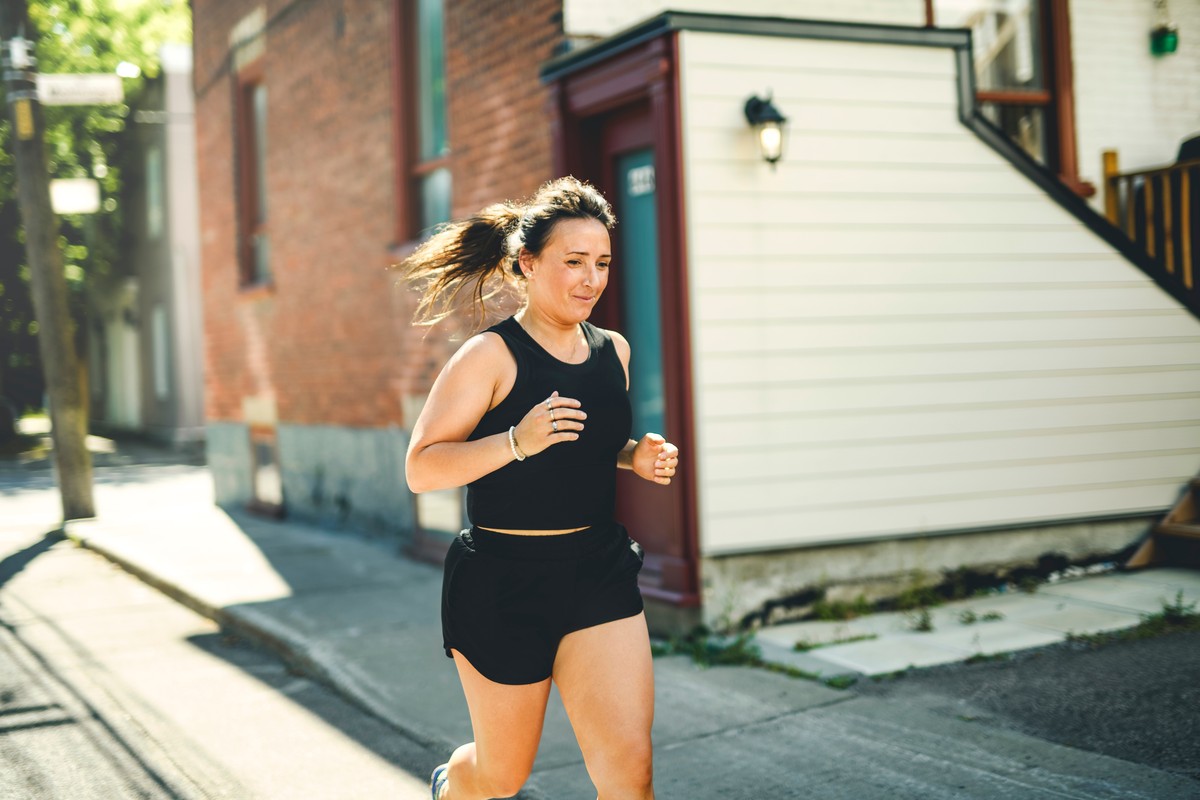
Types of movement that tend to suit this phase
In the mid to late follicular phase, once your period has ended, cardio like running, swimming, and cycling often feels more achievable. Higher-intensity sessions tend to sit well here too, when your energy is building and you have moved past the lower-oestrogen days of the early cycle.1
Around ovulation, you may find that high-intensity interval training (HIIT), heavier strength work, and power-based movement suit this phase well. With oestrogen at its highest point, this is the window where you might feel most able to work at or near your upper limits.7
Strength training, including heavier lifting, is a popular focus through the later follicular and ovulatory phases, when your energy tends to be higher and your body may respond more readily to building muscle. If you take on heavier resistance work, it helps to watch your form and pick loads that match your current fitness level, rather than treating this window as a reason to push past what feels manageable.2
How this phase differs from the menstrual and luteal phases
During your period, oestrogen and progesterone are both low, which can bring lower energy, fatigue, and cramping. Gentler movement like walking, stretching, or yoga often feels better matched to how your body is at that point.8
After ovulation, your cycle moves into the luteal phase, where progesterone leads. Rising progesterone can lift your resting body temperature and leave you feeling more tired, which can make high-intensity exercise feel harder. Towards the end of this phase, as your hormones drop before your next period, you may notice premenstrual syndrome (PMS) symptoms, and easing back your training load here can feel more supportive. If your PMS symptoms are significant, it is worth raising them with your GP.9
Reading your own patterns over time
Adjusting your training to your cycle is sometimes called cycle syncing. The research behind it is still emerging, and what holds true across a population does not automatically apply to your own cycle. Your hormonal patterns, cycle length, and how you feel day to day are your own, and they can shift from one cycle to the next.3
Tracking how you feel during exercise at different points in your cycle can show you your own patterns, without locking you into a fixed plan. If you notice you consistently have more energy in the first half of your cycle, you can use that to decide when to schedule more demanding sessions, and when to dial things back.