
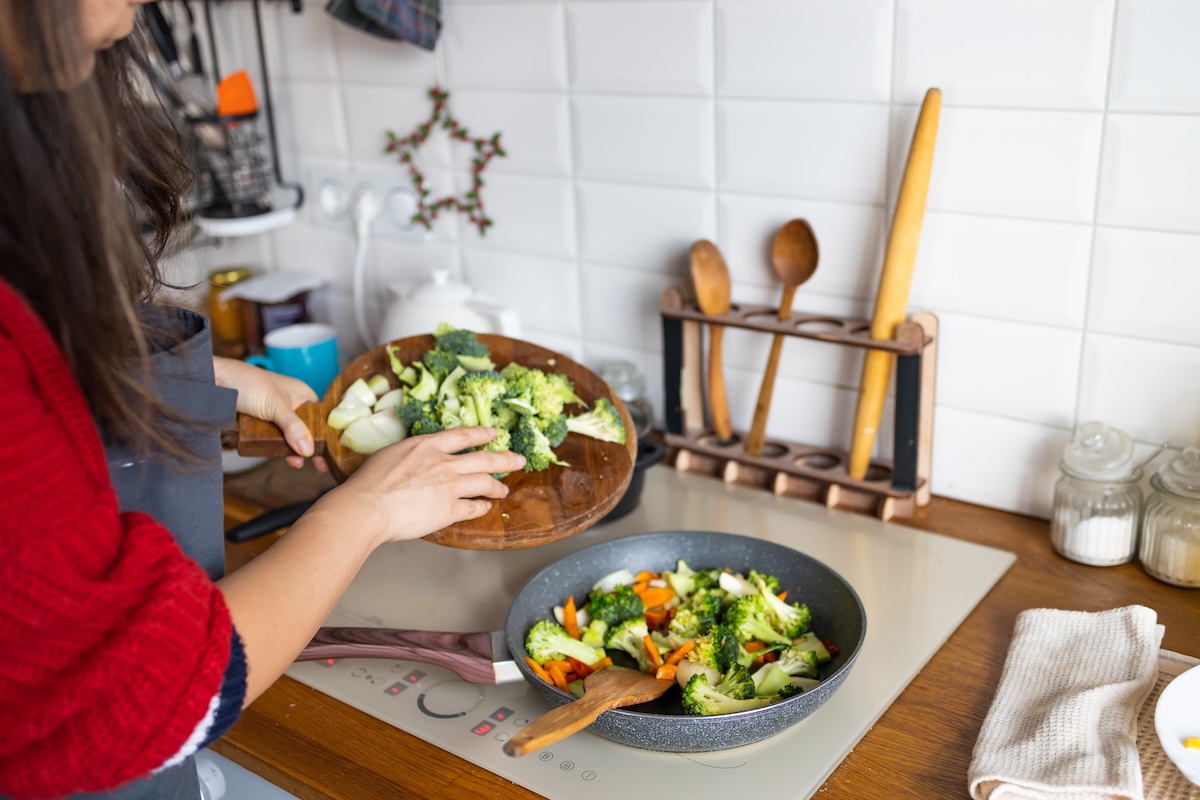
The heaviness, cramping, and fatigue that come with endometriosis are often bound up with inflammation. And although there is currently no cure for the condition, anti-inflammatory eating is one practical way to support your body alongside your medical treatment. The approach centres on whole foods that may help dial down the inflammatory processes driving your symptoms, rather than on rigid rules or cutting out whole food groups.
A whole-food base to build on
A Mediterranean diet often comes up for endometriosis symptoms. In practice, that means building your meals around fruit, vegetables, oily fish, whole grains, and pulses. The focus sits on what you add rather than what you take away, which tends to be easier to keep going over time.1
Omega-3 and oily fish
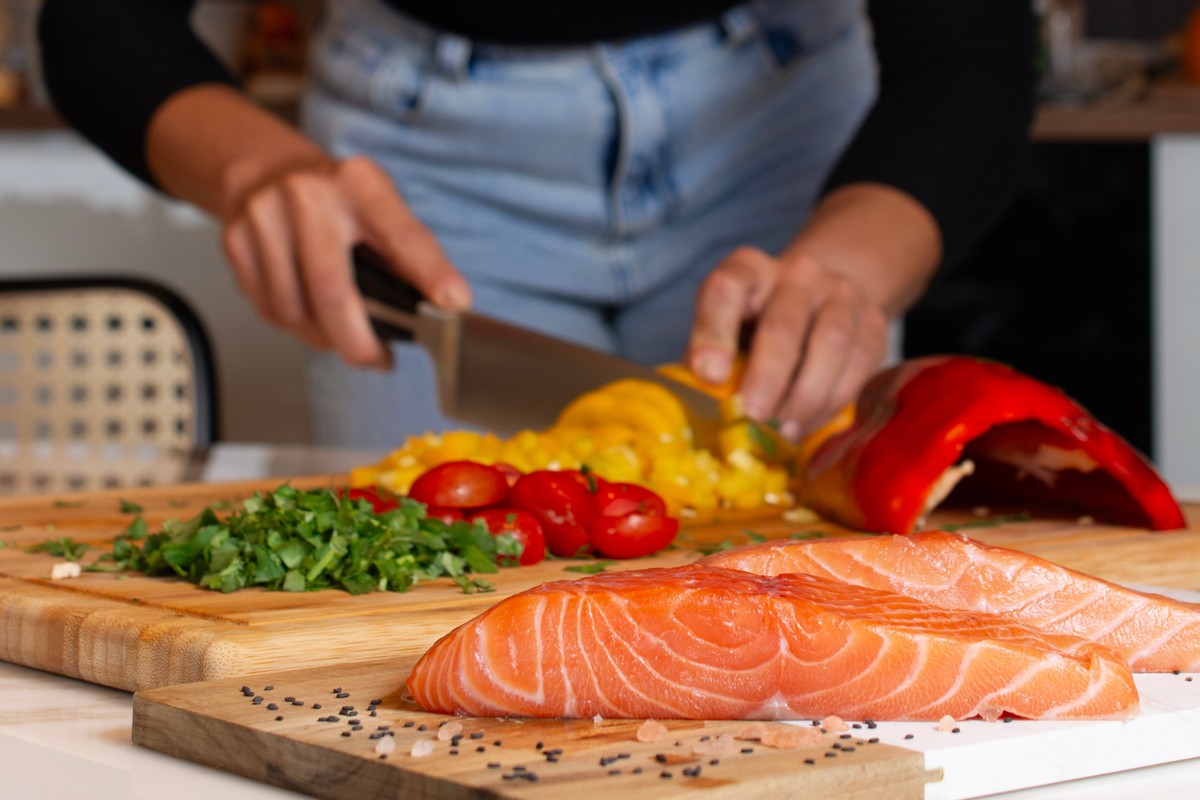
The pain that comes with endometriosis may ease a little with omega-3, a type of fat found in oily fish like salmon, mackerel, sardines, and trout. Two portions of oily fish a week fits general UK dietary guidance and slots naturally into a Mediterranean-style pattern. If you do not eat fish, flaxseeds, chia seeds, and walnuts give you plant-based omega-3, though your body converts these to the active forms it uses them less efficiently.2
Leafy greens and colourful vegetables
Dark leafy greens like spinach and kale are rich in antioxidants, which may help with the oxidative stress tied to endometriosis. Filling your plate with a wide range of colourful fruit and vegetables widens that antioxidant intake and supports your health more broadly. Variety matters here. Different colours point to different plant compounds, so it is worth moving beyond the same two or three vegetables each week.3
Turmeric and the curcumin question
Turmeric contains curcumin, a compound with anti-inflammatory properties. Curcumin and endometriosis is an area researchers are looking into, but the evidence in humans is still early and more good-quality trials are needed. For now, using turmeric as a spice, stirred into soups, lentil dishes, or rice, is a sensible way to include it. Do not take curcumin supplements without talking to your GP or a registered dietitian first.4
Foods worth being mindful of
Some foods may add to inflammation and often come up as ones to keep an eye on. These include red and processed meats, foods high in trans fats, refined carbohydrates, and excess sugar. A lot of alcohol or caffeine sits in the same group. You do not need to cut these out completely, but noticing how much you have, and whether your symptoms shift when you ease off, can be useful to know.5
Gut health and endometriosis
Gut symptoms come with endometriosis for a lot of people. You may get the bloating and discomfort sometimes called "endo belly", which is common with the condition. Supporting your gut microbiome with a varied, whole-food diet is linked to lower inflammation, which may in turn ease your symptoms. Eating a wide range of plant foods, including vegetables, fruit, wholegrains, legumes, and fermented foods like natural yoghurt or kefir, helps keep your gut diversity up.6
Gluten, dairy, and elimination diets
You may have read that cutting out gluten or dairy helps with endometriosis symptoms. Some people do find relief, but right now there is not enough evidence to say everyone with endometriosis should remove these foods. Cutting whole food groups without guidance carries a risk. Dairy is a main source of calcium, and many gluten-containing wholegrains add iron, both of which matter if your periods are heavy.7
The Low-FODMAP diet sometimes comes up for those with IBS and endometriosis, but it is one to follow only with a registered dietitian guiding you. It is a short-term tool for working things out, meant to be temporary rather than a long-term way of eating. Following it on your own can lead to cutting more than you need to and leaving gaps in your nutrition.8
Putting it into practice
Small, steady changes tend to be more useful than overhauling everything at once. Adding a portion of oily fish twice a week, getting more variety of vegetables on your plate, and swapping refined carbs for wholegrains are good places to start. Keeping a simple food and symptom diary over a few months can help you spot patterns that are specific to you.
Changes to how you eat work best alongside your ongoing medical care and any treatment plan you have with your specialist or GP.