
When you do not want to eat, even though you know your body needs fuel, food can start to feel like a chore. As low appetite and what to eat through your cycle becomes a daily question, it helps to understand what is causing the dip, so you can work with your body rather than against it. Appetite can fall for a number of reasons, and none of them mean you should simply eat less.
Why does your appetite drop?
When you are stressed or anxious, the desire to eat can fade. Your body shifts into a fight-or-flight state, which pulls resources away from digestion. Low mood can dampen your appetite too. If low mood or anxiety keeps getting in the way of your eating, it is worth speaking to your GP, who can connect you with the right support.14
You may finish a hard workout with no desire to eat, even though you have burned through real energy. Intense exercise can dull hunger signals for a while. The effect is usually short-lived, but it can leave you skipping food when your body could use it.5
If you take methylphenidate for ADHD, sold under brand names such as Ritalin or Concerta, a smaller appetite is a common side effect. It affects more than 1 in 100 people who take it. You might notice some weight loss early on, though this often settles over time. Try not to change or stop your medication to manage your appetite. If the side effect is hitting you hard, raise it with the clinician who prescribes it, who may suggest taking your dose with a meal.3
Small meal strategies for a low appetite through your cycle
When three full meals a day feels out of reach, eating smaller amounts more often can make it far easier. Little and often works well here. That might be three small meals with two or three snacks, or six to seven small meals spread across the day at roughly two to three hour gaps. Either way, it keeps your energy steadier without the pressure of a full plate.6
When cooking feels like too much, soft and moist foods tend to go down more easily, and ready meals are a practical option on the harder days. Keeping tinned goods, long-life milk, and other storecupboard staples in means something nourishing is always within reach when your energy is low.7
What to prioritise when you are eating less
While you are eating small amounts, the focus shifts to foods that are high in energy and protein. This is specific to the stretches when your appetite is low and your intake drops, so your body risks missing what it needs to function. Once your appetite is back to normal, this guidance no longer applies.8
Protein helps your body hold onto strength and repair itself. Try to include a protein-rich food at two or three points across your day. Meat, fish, eggs, dairy, beans, lentils, and tofu all work well.9
To make every mouthful count, reach for full-fat milk, yoghurt, and cheese. You can also enrich meals by stirring in butter, a drizzle of oil, a spoonful of cream, or skimmed milk powder. None of these add much to the size of the meal, but they add real energy. This is sometimes called food fortification, and it suits the times when your appetite is low.10
Fruit and vegetables still matter when your appetite is low, but their fibre can fill you up quickly without providing much energy. Pair them with more calorie-dense foods, such as vegetables with butter, oil, cheese sauce, or dressing, and fruit with yoghurt, cream, or ice cream.2
When a drink works better than a meal
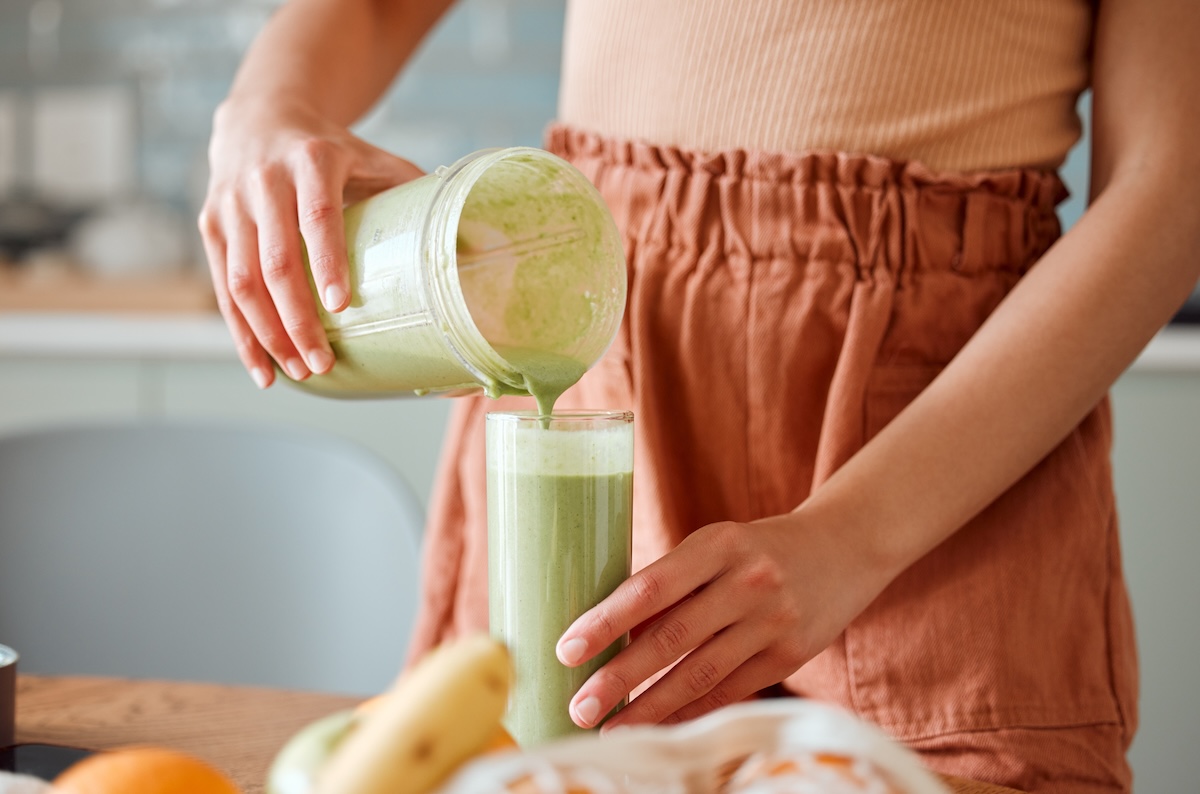
On days when even a small meal feels like too much, a nourishing drink can do a lot. Milky drinks like hot chocolate, milkshakes, and smoothies, or blended fortified soups, deliver energy and protein in a form that is easier to get down. Have them after or between meals rather than before, so they add to what you eat rather than taking the place of the appetite you do have.11
Putting it together on a low appetite day
A low appetite day does not need elaborate meals. A small portion of scrambled eggs made with full-fat milk, a handful of cheese with soft bread, a milky smoothie with nut butter, or a bowl of enriched soup with added cream can each add usefully to your protein and energy for the day. The aim is to eat something nourishing at regular points, even when hunger is missing. Small and frequent, leaning on protein and energy-dense foods, is the practical way through.