
If you have PMOS (formerly known as PCOS), and someone has told you that eating differently can help, you have probably felt the frustration of that advice landing with no detail attached. Where do you even start? There is no single diet to follow, and that uncertainty is real. Polyendocrine Metabolic Ovarian Syndrome (PMOS), is a hormonal condition that affects how your ovaries work. Day to day meal planning when you have PMOS does not need to follow a rigid plan, but understanding why your food choices matter can make the day-to-day decisions easier.
The insulin connection in plain terms
With PMOS, insulin resistance is often the cause of all the issues linked with this medical condition. Insulin is the hormone that helps your cells take up glucose from your blood and turn it into energy. When your cells respond less easily to it, your body makes more to keep up. That pushes both insulin and glucose higher in your blood, which can shape your energy, your weight, and your hormone balance, including the higher androgen levels that come with PMOS.1
Over time, insulin resistance raises the chance of developing type 2 diabetes. That is one reason keeping your blood sugar steadier through food is a real part of living with PMOS, whatever your weight or body size.2
What low GI eating actually looks like
The glycaemic index, or GI, is a way of measuring how quickly a carb-containing food raises your blood sugar. Low GI foods release glucose more slowly, so you get a steadier rise and fall rather than a sharp spike. When you have insulin resistance, that gentler pattern puts less strain on your body's insulin response.
Eating more low GI can help your body respond better to insulin, and it may mean fewer PMOS symptoms and more regular periods for you. In everyday food terms, that means leaning towards:3
- Whole-grain breads and seeded varieties instead of white bread
- Brown rice, basmati rice, or grains such as quinoa and barley instead of white rice
- Sweet potatoes instead of regular baked potatoes
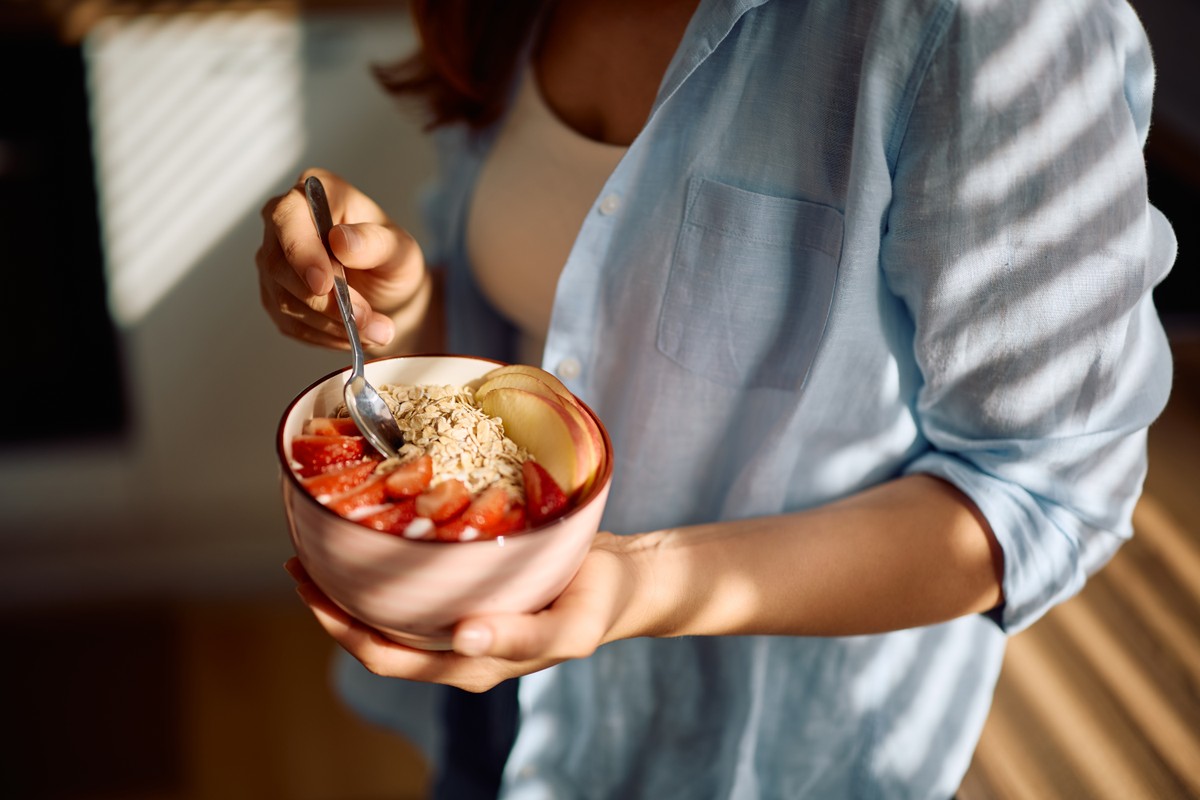
- Oats, particularly porridge, for breakfast
- Berries, apples, and pears rather than high-sugar fruit juices
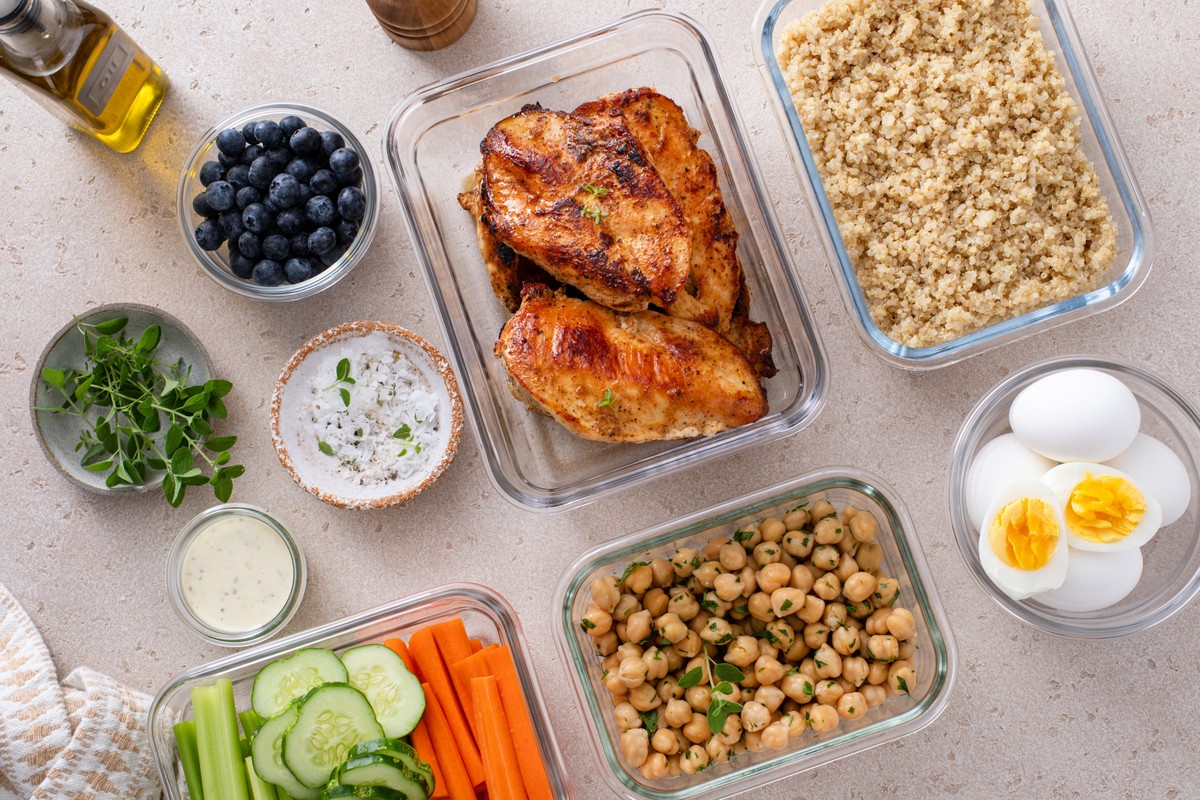
- Pulses such as lentils, chickpeas, and beans, which are naturally low GI and high in fibre4
You are just shifting the balance of your meals towards foods that work more gently on your blood sugar.
Fibre and how you spread carbohydrates across the day
Fibre slows down how you digest carbs, which naturally lowers the GI of a meal. You will find it in vegetables, fruit, wholegrains, and pulses. Adding a source of fibre to each meal is one of the simpler ways to soften the blood sugar impact of what you eat.
When you eat your carbs across the day matters too. Eating regular meals, breakfast included, is a practical part of managing PMOS through food. Long stretches without eating can leave you with stronger cravings and a tendency to eat more in one go, which sends your blood sugar higher.5
Pairing some protein with your carbs at each meal can soften the blood sugar impact further. Think eggs, lean meat, fish, tofu, or legumes, with some healthy fats alongside. Fat and protein slow how fast your stomach empties, so glucose drips into your bloodstream more gradually.9
Anti-inflammatory foods and what the evidence supports
PCOS often comes with a low level of ongoing inflammation in the body. Eating more antioxidant-rich fruit and veg may help bring that down. Colourful vegetables like leafy greens, peppers and tomatoes, along with berries, nuts and seeds, all give you antioxidants. Oily fish such as salmon, mackerel and sardines can help too, and plant-based sources like seaweed and algae are also worth a look.6
It helps to be clear about what the evidence shows and what it does not. The insulin and blood sugar link in PMOS is well established. The anti-inflammatory side has some evidence behind it and shows up in plenty of dietary guidance, though it is less central to core clinical advice. Eating more vegetables, fruit, wholegrains and oily fish is unlikely to do any harm and fits within general healthy eating, though it is not a proven treatment for PMOS in the way some sources suggest.
The food changes here are about managing insulin resistance and supporting your hormone balance, whatever your body size. PMOS is a lifelong hormonal condition, and food is one part of managing it, not a cure or a fix.7
If changing how you eat feels overwhelming, or it is stirring up difficult feelings around food, a registered dietitian with PMOS experience can help you build something that works for you in practice. Your GP can refer you, and in many areas you can refer yourself.