

If you experience PMDD, when your luteal phase arrives, it hits with an onslaught of symptoms. The low mood settles in. The fatigue makes ordinary things feel impossible, no matter how much you rest. Premenstrual Dysphoric Disorder (PMDD) is a recognised condition, and changes to your nutrition and diet can be one practical layer within a broader management plan, something to work with alongside the support of your GP or specialist.1
The everyday eating that gives you a steadier base
Steady eating habits often come up as part of a wider PMDD plan. Building your meals around regular timing, starchy carbohydrates, and whole foods, while easing back on sugary snacks, salt, caffeine, and alcohol, can support how you feel in body and mind. The consistency is what tends to matter.9
What magnesium may do for your symptoms
Magnesium comes up a lot when PMDD is discussed. The evidence is early though, and much of it looks at premenstrual syndrome (PMS) rather than PMDD specifically, so it is worth holding that in mind. 10
PMDD is a separate, more severe condition than PMS, so PMS findings do not carry across automatically. It is worth speaking with your GP before you start a magnesium supplement. 11
Magnesium helps nerves and muscles work normally and is involved in signalling within the brain, so it may help ease symptoms such as tension, irritability or anxiety, although this has not been clearly shown in PMDD.2
You can also get magnesium from food. Sources worth including are:
- Leafy greens such as spinach and kale
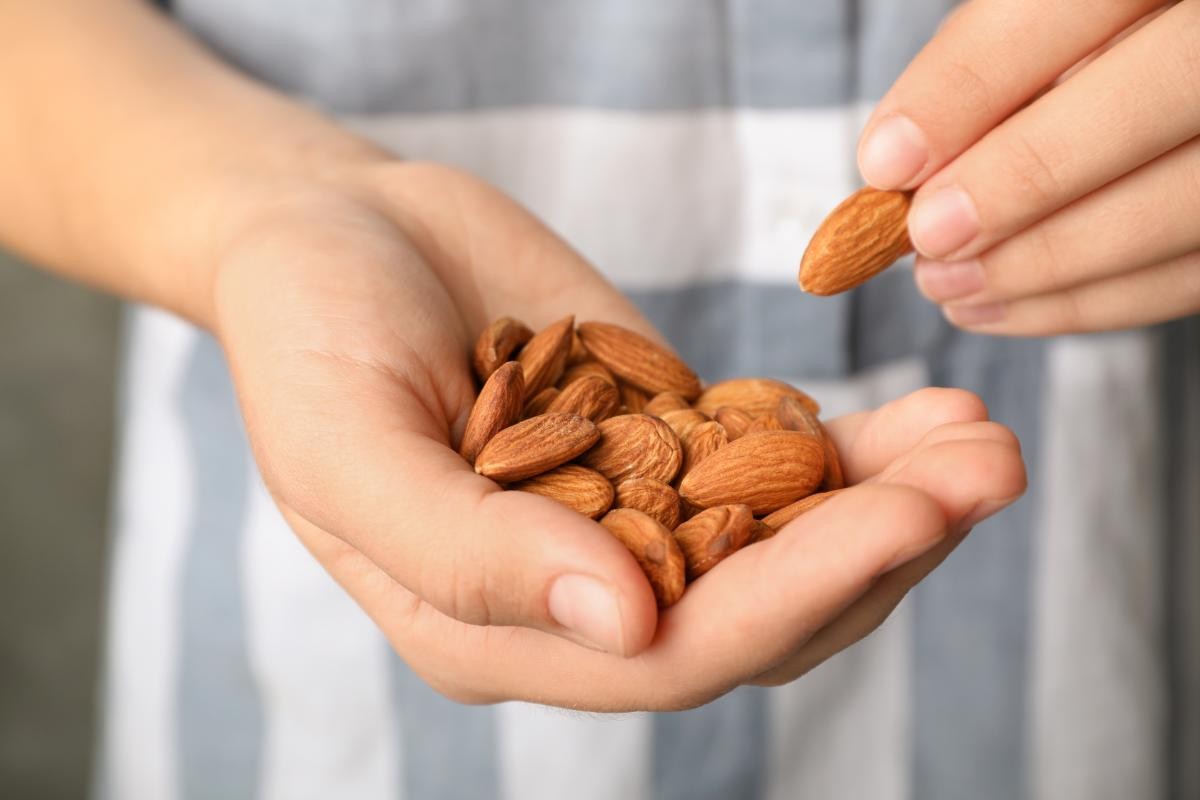
- Nuts and seeds, including almonds and pumpkin seeds
- Legumes
- Wholegrains
- Dark chocolate with over 70% cocoa12
How vitamin B6 supports mood
If you are thinking about a B6 supplement, UK guidance suggests keeping to 10 mg a day or less from supplements. Higher doses can affect the nerves in your hands and feet. It is worth talking dosage through with your GP first. 13
Vitamin B6 supports the brain chemicals that help regulate mood, which may explain why it has been investigated for premenstrual irritability, anxiety and low mood. Although this has not been clearly demonstrated in PMDD.3
You can also find B6 in food: chickpeas, poultry, tuna, salmon, spinach, bananas, and fortified cereals.14
Why omega-3 and oily fish come up
Omega-3 fats help form the structure of brain cells and influence inflammatory signalling in the body, so they may support mood and ease some physical premenstrual symptoms, although this has not been clearly shown in PMDD.4
Omega-3 may support mood symptoms during the luteal phase. The evidence is still building, so if you are thinking about a supplement, it is worth raising with your GP before you start.5
You can build more omega-3 in through food. Good sources are:
- Oily fish such as salmon and mackerel
- Flaxseeds and chia seeds
- Walnuts15
How complex carbohydrates steady blood sugar and mood
Complex carbohydrates release energy more steadily than refined or sugary foods. That steadier release can help keep your blood sugar more steady, which could ease the mood swings, irritability, and fatigue that often build during the luteal phase. Timing matters too. Skipping meals or going a long stretch without eating can drop your blood sugar and add to symptoms that are already hard.6716
Useful sources of complex carbohydrates include wholegrains like oats and brown rice, legumes like lentils and chickpeas, and starchy vegetables like sweet potatoes.17
Easing back on caffeine and alcohol before your period
Caffeine can raise stress hormones and turn up anxiety, irritability, and broken sleep, and that effect may feel sharper in the two weeks before your period. If you notice your symptoms get worse around then, easing back on coffee, tea, and other caffeinated drinks is worth a try.818
Alcohol can deepen mood swings, break up your sleep, and could unsettle your blood sugar, all of which can make PMDD symptoms harder to handle. Easing back on alcohol in the late luteal phase lines up with general guidance for premenstrual symptoms.19