

Protein plays an important role every day of your cycle. Understanding what it does and how to include it across the day can help you meet your needs and respond to changes in appetite.
What protein does in your body every day
Your body uses protein constantly. It provides amino acids used to build, repair and maintain body tissues. It is what you draw on to help make hormones, enzymes, and antibodies. So protein is not only something you need when you are exercising or getting over an illness. Your body uses it every day of your cycle.2
The UK Reference Nutrient Intake (RNI), which is the amount of a nutrient that is enough to ensure that the needs of nearly all a group (97.5%) are being met, is set at 0.75g of protein per kilogram of body weight a day. This is set at a level for a healthy, lightly active adult. For an average woman weighing 60kg, it would be a total of 45g of protein a day. The 50g you might see on food packaging is something different. That is the Reference Intake (RI), a standard labelling figure for an average adult. The RNI is a dietary guideline; the RI is used to show how much a food contributes to daily intake and to help compare products. It is not a personal protein requirement.1
Protein, fullness, and staying satisfied
Protein tends to be more filling when compared with carbohydrates and fats. Including a source of protein, such as eggs, yoghurt, fish, meat, tofu, beans or lentils to your meals may help you stay fuller between meals. This is particularly useful in the week or so before your period when you can experience more cravings.3
Protein as part of a balanced meal
When you eat protein with carbohydrates, It may slow how quickly the meal leaves the stomach. This can help reduce the rise in blood sugar after eating. Steadier blood sugar can help some people avoid dips in energy through the day, which helps when cycle-related tiredness is already in the mix.4
Pairing carbohydrate foods with a protein source is a simple way to build a balanced meal that is filling and sustaining. Oats with Greek yoghurt (or protein soya yoghurt if you avoid dairy), wholegrain toast with eggs, or rice with tofu are everyday examples.
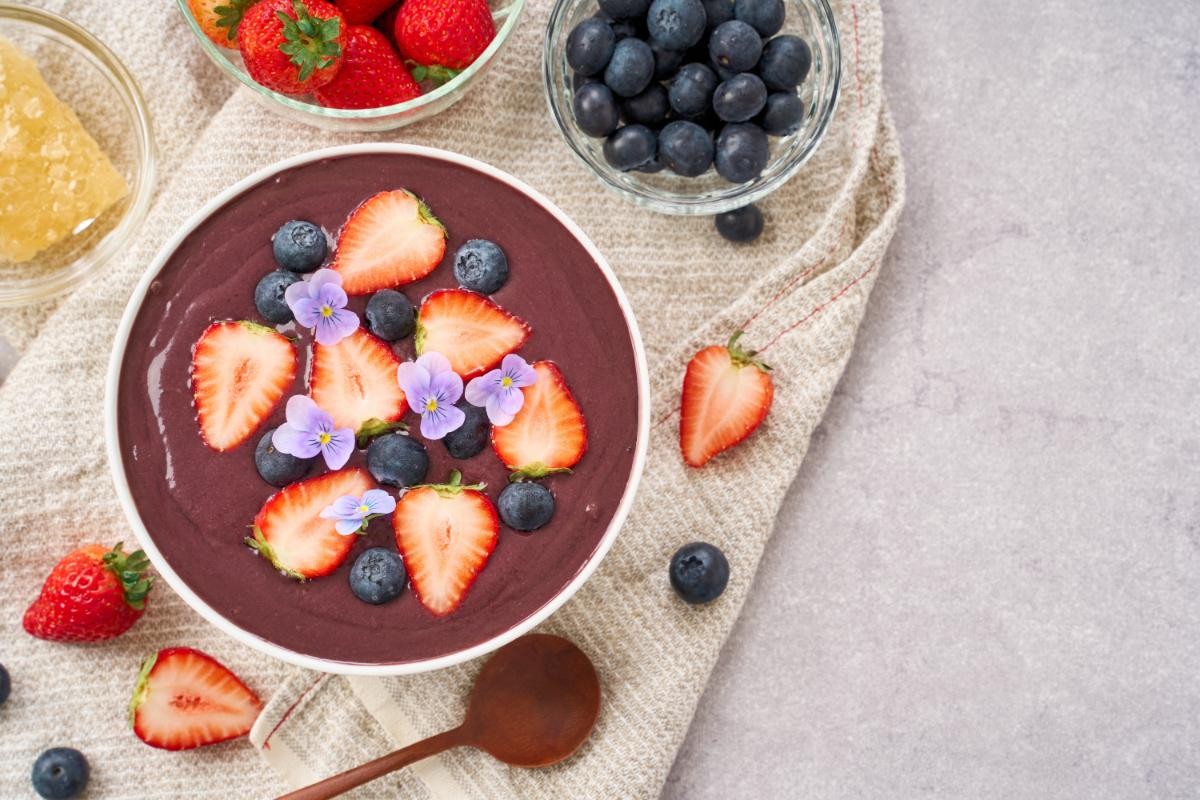
Why appetite may change before your period and how protein could help
If your appetite feels stronger in your luteal phase (ovulation until the first day of your period), there may be a physiological reason behind it. Your body may be using slightly more energy at rest at this time, although this varies and does not mean that everyone needs a set number of additional calories. Research suggests that appetite, cravings and food intake can also all increase during the luteal phase. Including protein at meals and snacks may help you feel more satisfied in your luteal phase.5
Spreading protein across the day
Rather than having most of your protein in one meal, try to include a source at each meal. Spreading protein across the day may help you feel more satisfied whilst supporting muscle maintenance and repair.7
Good sources include meat, fish, eggs, and dairy, along with legumes like lentils, chickpeas, and beans, plus tofu and tempeh. Mixing it up across the week gives you a broad range of amino acids and other nutrients too, such as iron and zinc. This is particularly important if you are only eating plant sources of protein. They contain all the essential amino acids, but in different proportions, so eating a varied diet across the day helps support overall intake.
Protein and everyday recovery across the cycle
Proteins provide amino acids that support cell repair, including the rebuilding of your uterine lining during and after your period. It also helps your immune system by making antibodies. Keeping your protein fairly steady through the cycle supports this ongoing work, whatever phase you are in.
If your appetite climbs in the luteal phase, reaching for protein-rich foods instead of higher-sugar snacks may feel more filling and sustain you for longer. It is a pattern worth watching in your own cycle.
If you have a health condition, or you are pregnant or breastfeeding, it is worth speaking with your GP or a registered dietitian before making big changes to your diet.