

The fatigue, the brain fog, the symptoms that blur into so many other things. When you are managing a thyroid condition and go looking for clear dietary guidance, you can come away with more questions than answers, faced with conflicting claims about foods that promise to fix everything and long lists of things to avoid. When it comes to nutrition and thyroid health, the straightforward answer is that no specific diet can treat a thyroid disorder. What does help is a healthy, balanced diet, and a few specific nutrients are worth understanding in more detail.1
How selenium supports your thyroid
Selenium is a mineral that plays a quiet but important role in how your thyroid functions. Your thyroid produces a hormone that needs to be converted into an active form before your body can use it, and selenium supports that process. It also helps protect the thyroid gland from the kind of cellular damage that can build up over time.2
Food is the easiest place to start. Brazil nuts are among the richest sources, and one to three a day can cover the daily amount an adult needs. Tuna, sardines, eggs, and legumes like lentils and beans also bring useful amounts, so plant-based eating can cover selenium with a bit of attention to variety.3
Iodine, where too little and too much both matter
Your thyroid needs iodine to make its hormones, and the relationship runs both ways. Too little iodine, and hormone production slows. Too much can throw things off as well. For most people in the UK, a varied diet provides enough.5
Adult women in the UK need around 140 micrograms (μg) of iodine a day. Sea fish, cow's milk, dairy, and eggs are reliable sources. One thing specific to the UK: salt here is not usually iodised, unlike in some other countries, so it is not a source you can count on.6
Plant-based diets and iodine intake
If you follow a strict vegan diet and skip both fish and dairy, your iodine intake may sit lower than recommended. Some plant-based milks are fortified with iodine, though this varies by brand, so it is worth checking the label rather than assuming. If you are vegan and managing a thyroid condition, raising iodine specifically with your GP or dietitian is a good move, since they can look at where your intake stands.7
High-dose iodine supplements and why they are a concern
High doses of iodine, particularly from supplements like kelp or sea moss, can harm the thyroid. You will see these marketed widely, but they are not recommended when you are managing a thyroid condition. If you take either of them, or are thinking about it, speak to your GP before continuing.8
Cruciferous vegetables and goitrogens in context
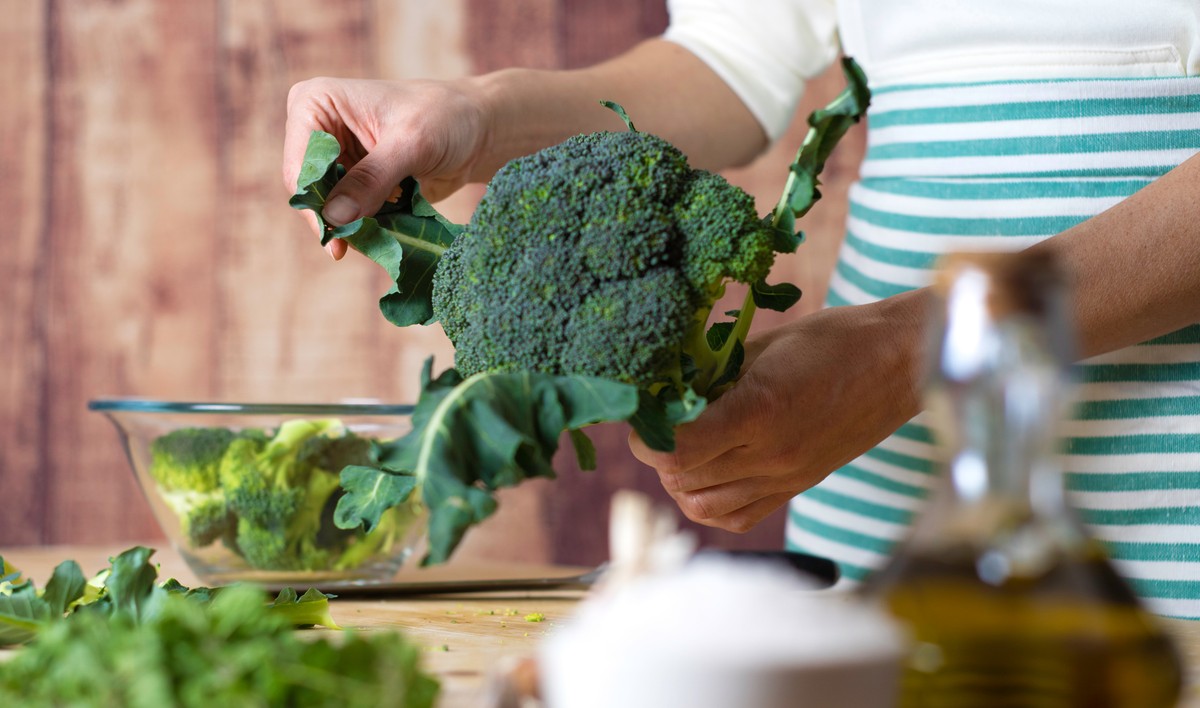
Cruciferous vegetables like cabbage, kale, broccoli, and Brussels sprouts contain compounds called goitrogens, which can get in the way of how the thyroid takes up iodine. They are a common source of worry if you have a thyroid condition. In practice, goitrogens only become a concern in very high amounts, and especially when eaten raw at the same time as low iodine. If you are eating a normal portion as part of a varied diet, these vegetables are fine.9
Cooking these vegetables cuts the goitrogenic effect a lot, so lightly steaming or roasting them lowers any concern further. There is no need to leave them off your plate, and they bring plenty of nutrition otherwise.10
Soy and thyroid hormone absorption
Soy may get in the way of how your body absorbs thyroid hormones. If you eat soy regularly and your iodine is in a good place, moderate amounts are generally low risk. If you take levothyroxine or another thyroid medication, soy's effect on absorption matters more specifically. In that case, talk it through with your GP or pharmacist rather than changing your diet on general advice alone.11
What the evidence supports and where it is less clear
The evidence is clearest around iodine. Your body genuinely needs it to make thyroid hormones, and both too little and too much carry real risks. Selenium's part in turning T4 into T3 is well established, and food is a reasonable way to keep your intake where it should be. What holds up less well is the idea that topping up selenium, iodine, or other nutrients above normal food levels will improve how your thyroid does. For an underactive thyroid in particular, current UK guidance says there is not enough evidence to recommend selenium supplements.12
It is worth knowing that thyroid symptoms, like fatigue, low mood, weight changes, and trouble concentrating, can overlap with the hormonal shifts you feel at different points in your cycle. They are separate processes, even when they feel similar, and diet that supports your general health is unlikely to settle symptoms that need medical management. If your symptoms feel like they are not under control, that is a conversation for your GP.