
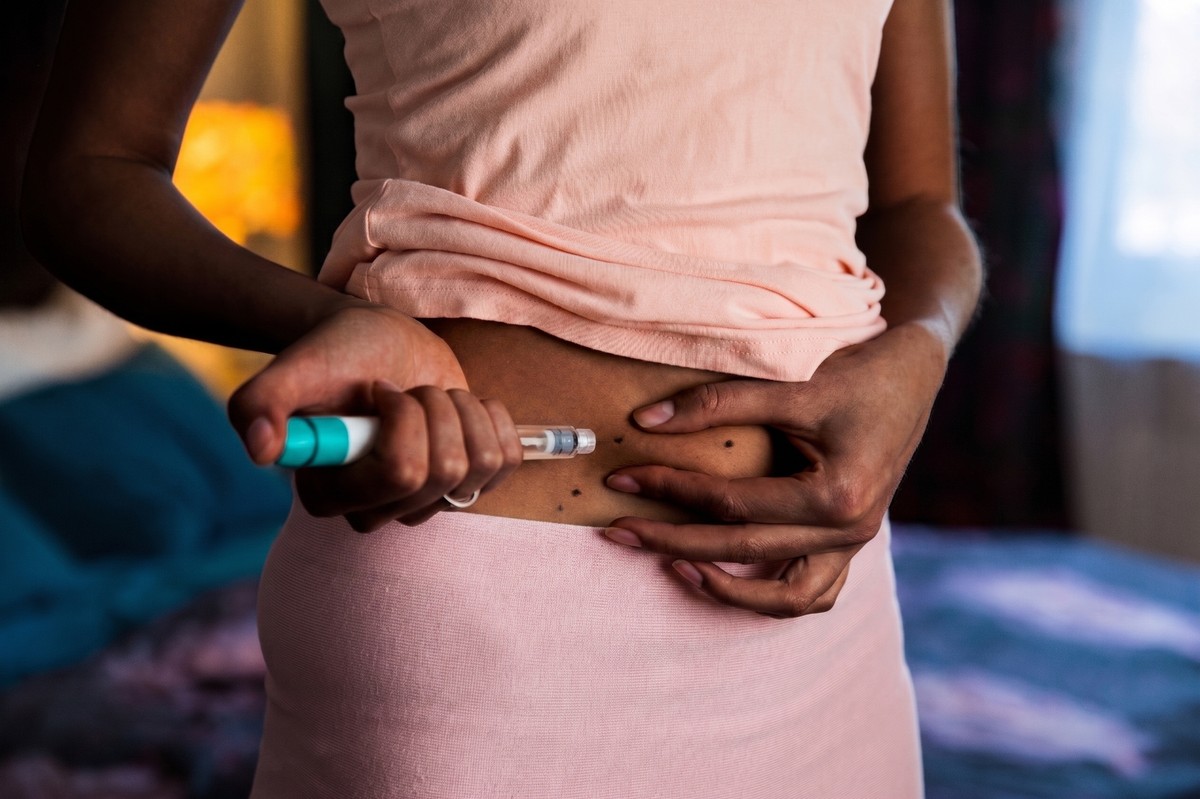
When you start fertility treatment, one of the first things you may notice is that the familiar rhythm of your cycle no longer applies. The pattern of days you could predict, the symptoms you had learned to read, the timing you relied on, treatment sets all of it aside on purpose. In vitro fertilisation (IVF), a process that uses medication to manage each stage of conception, does not run alongside your natural cycle. It replaces it with a sequence that your clinic controls. Understanding that shift, and what it means for your body before, during, and after treatment, can help you feel more prepared.
How IVF takes over from your natural cycle
Many IVF protocols start by switching off your natural cycle completely. This stage is called down-regulation. Medication, given as injections or a nasal spray, temporarily stops your pituitary gland, a small gland in your brain, from releasing the hormones that usually drive your cycle. With those signals paused, your ovaries quieten down. During this phase you may notice hot flushes, headaches, or irritability, among other things. Your fertility team will explain what to expect from your particular protocol. Down-regulation can last several weeks, and your clinic checks how you are responding before moving to the next stage.1
Once your cycle is paused, stimulation begins. You take hormonal medication, usually injections of follicle-stimulating hormone (FSH), the hormone that prompts your ovaries to grow follicles. The aim is to develop several follicles rather than the single egg a natural cycle would mature. Your team watches your response closely with ultrasound scans and blood tests throughout. Stimulation carries a risk of Ovarian Hyperstimulation Syndrome (OHSS), where your ovaries respond more strongly than intended. Your fertility team will talk you through this risk before and during treatment.23
When your follicles are ready, a trigger injection helps the eggs mature. Egg collection usually follows around 36 hours later, though the exact timing in your protocol may differ. Because every stage is medically controlled from suppression onwards, you will not have a natural period during this phase.8

What cycle tracking looks like during fertility treatment
During an IVF cycle, the tracking you might usually do at home is handled by your clinical team. Ultrasound scans measure how your follicles are growing, and blood tests follow your hormone levels through stimulation. Ovulation is deliberately held off until your scheduled trigger injection, so at-home tracking tools have no clinical role while treatment is active. The monitoring moves from your hands to your clinic's.9
After treatment ends, going back to some form of personal tracking can be a practical way to see how your body is recovering. Jotting down the dates and feel of your first few periods after a treatment cycle gives you useful information to bring to a follow-up consultation with your fertility team.5
Returning to a natural cycle after treatment
If a cycle is unsuccessful or no embryo is transferred, your first period after egg collection may come within one to two weeks. This varies, and your clinic will give you a clearer idea based on your protocol. If you are waiting and nothing has arrived within the window your team gave you, call your clinic to discuss if any further investigations are needed. 6
The first period after treatment may feel different from your usual. You may find it heavier and more painful than normal, or you may find it lighter. Your cycle can stay irregular for a while afterwards too, with the periods that follow arriving later than you expect as your hormonal balance settles back. If your cycle has not returned to its usual pattern within the timeframe your clinic suggests, raise it with your fertility team or GP.7
The emotional weight of this journey
Fertility treatment asks a lot of you, physically and emotionally.
Licensed fertility clinics in the UK have to offer counselling before, during, and after treatment. This support is confidential and can help with the emotional side of treatment, any strain on your relationships, and the pain of loss. If your clinic has not mentioned it, you can ask them directly what support is available.10
Preparing for conversations with your fertility team
Going into appointments with a few questions ready can help you get the most from your consultations. Useful areas to ask about include:
- What will your treatment timeline look like, and how will it affect your cycle at each stage?
- What physical side effects can you expect from the medications used to suppress and stimulate your cycle?
- After the treatment cycle, what signs in your returning period should prompt you to contact the clinic?
- What emotional support and counselling services does the clinic offer, and how do you access them?11
Your fertility team is the most reliable source of guidance for your own situation. The general information here gives you a framework, though your protocol and your body will shape what the experience actually looks like for you. If questions come up between appointments, contact your clinic directly rather than waiting.