
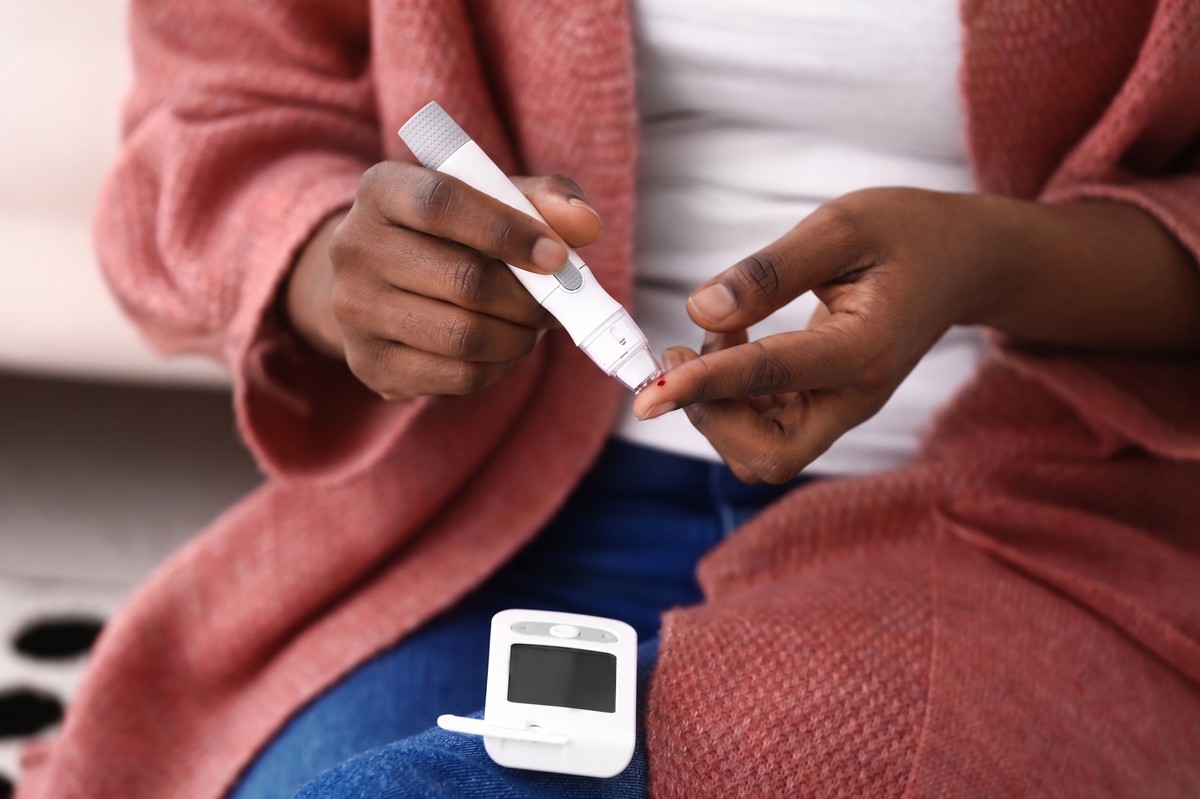
If you are managing diabetes and your periods have come back after birth, you may have noticed that blood sugars feels harder to predict than they did before pregnancy. The readings that catch you off guard, the unexplained highs in the days before your period, the drops you were not expecting. There is a reason behind this. When your cycle returns, a new hormonal rhythm starts up, and when you are managing diabetes, that rhythm can shift how your body uses insulin in ways that take time to learn. How diabetes and cycle return after pregnancy fit together has a clear physical explanation, even if the pattern looks different for you than for someone else. Understanding what is driving those changes, and what to do about this, is where good management after pregnancy starts.
How insulin sensitivity shifts in the days after birth
Once your baby is born and the placenta is delivered, the pregnancy hormones it was making, oestrogen and progesterone, drop away quickly. Your body becomes much more sensitive to insulin almost straight away. If you manage Type 1 or Type 2 diabetes, this can mean your blood sugar readings come down sharply in the first days after birth.1
This is an expected change, and your diabetes team will plan for it in the days and weeks after delivery. If you are on insulin, talk through any changes to your doses with your team directly rather than adjusting on your own.
What changes when your cycle returns, and why blood sugar follows
Once your cycle settles back in, the hormone shifts across each phase start to affect how your body handles glucose. Two hormones do most of this work, oestrogen and progesterone, and they pull in opposite directions when it comes to insulin.
In the first half of your cycle, oestrogen tends to lead. When oestrogen is higher, your body uses insulin more easily, so your blood sugar may sit lower or feel steadier during this phase. In the second half, roughly the 10 to 14 days before your period, progesterone rises. Higher progesterone can make your body more resistant to insulin for a while, and you may notice your readings creeping up during this window even when your food and activity have not changed.2
After pregnancy there is an extra layer to this. Your cycle may not slip straight back into the rhythm you had before. Breastfeeding, broken sleep, and hormones that are still finding their level can all mean the patterns you track in the first months look different month to month. Give it time before you draw firm conclusions about how your own cycle and blood sugar move together.
Managing blood sugar as your cycle settles back in
The most useful thing you can do in this period is check your blood sugar a little more often and keep a log that records both your readings and where you are in your cycle. Tracking your levels alongside your cycle dates for a few months builds a picture of your own pattern. That kind of detailed, personal record gives you and your diabetes team something solid to work from if you want to talk through whether your management plan needs adjusting.3
If you are on insulin, talk to your diabetes team before changing any doses around your cycle. Your readings are a starting point for that conversation. Your team can help you work out whether a steady pattern in the numbers points to a change worth reviewing properly.

Type 2 diabetes risk after gestational diabetes
If you had gestational diabetes, often shortened to GDM, during your pregnancy, it helps to know that it raises your lifetime risk of developing Type 2 diabetes. Having had GDM does not mean you have diabetes now. It does mean that postnatal screening and ongoing monitoring are genuinely worth doing.7
There is a clear follow-up pathway for this. You should be offered a blood test to check for diabetes between 6 and 13 weeks after giving birth. If that comes back in the normal range, you should then be offered a yearly HbA1c test, a blood test that shows your average blood sugar over the past few months. These tests exist because the risk is real, and because picking up any change early gives you the widest range of options.8
As your cycle returns, the same hormone shifts described above apply to you too. Keeping an eye on your blood sugar around your cycle is a habit worth carrying into the longer term, not only the early postpartum months. Staying active and eating a balanced diet can help lower your longer-term risk of Type 2 diabetes after GDM.4
When to check in with your GP or diabetes team
There are a few situations where it is worth getting in touch with your GP or diabetes team rather than carrying on tracking by yourself. These include:
- Blood sugar that is consistently hard to keep in range in the days before your period, cycle after cycle.
- Readings that often sit outside your agreed target range with no clear reason.
- You had GDM and have not yet had your postnatal blood test.
- You had GDM and have not had an HbA1c test in the past 12 months.
- You are on insulin and feel your current doses may no longer match your postpartum cycle pattern.
None of these need urgent action in the way a diabetes emergency would, though they all benefit from a professional eye. Your diabetes team is the right place to go for a review and for any changes to your management plan.
Frequently Asked Questions
If you are unsure whether your blood sugar patterns since your cycle returned are normal for your situation, your GP or diabetes team is the right first port of call. Keeping a log of your readings and cycle dates before that appointment will make the conversation more useful.