

The fatigue that settles in during menopause, the joints that feel stiffer in the morning, the sense that your body is working differently than it used to. These changes have a biological basis, and what you eat can help you meet them. This guide does not hand you a fixed meal plan. It maps the key nutrients that matter most during this stage, explains why each one is relevant, and gives you a starting point for building a diet that supports your body well.
Good eating in menopause follows the broad shape of a balanced, Mediterranean-style diet: plenty of fruit and vegetables, wholegrains, and lean protein. Eating this way can help you manage symptoms and lower your longer-term risk of conditions like heart disease and osteoporosis, where bones get thinner and break more easily.6
Calcium and bone health
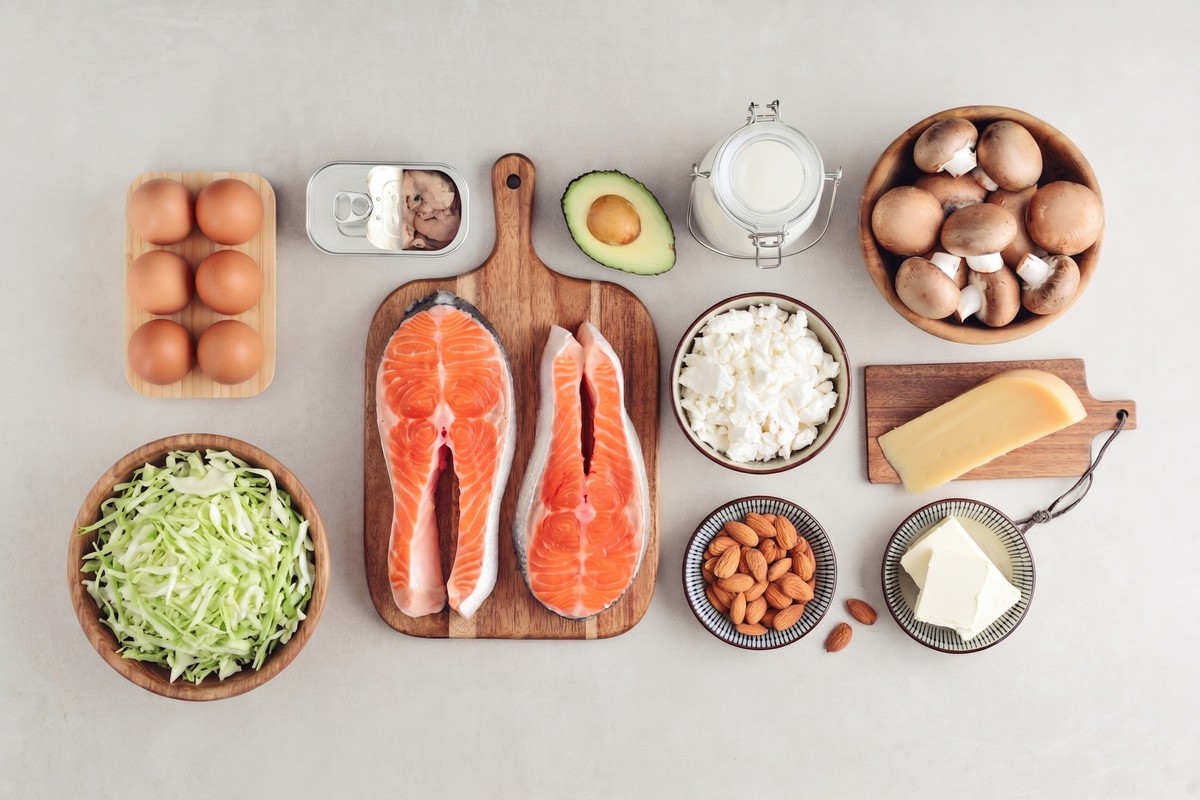
As oestrogen drops during menopause, bone loss speeds up, which raises your risk of osteoporosis. Calcium helps to keep your bones strong, and you can get plenty of it from food. Good sources include dairy, fortified soya alternatives, leafy greens like kale, and tinned fish with the bones still in, like sardines.7
The focus here is on food rather than supplements. Calcium supplements come with some nuance in the UK, so if you are thinking about taking one, it is worth talking it through with your GP before you start.
Vitamin D and calcium absorption
Vitamin D matters for your bones because it helps your body absorb calcium. Most of it comes from sunlight, with smaller amounts in oily fish, eggs, and red meat. In the UK, food alone usually does not give you enough, especially in the months when sunlight is in short supply.8
Through autumn and winter, from October to March, there is not enough sunlight in the UK to make the vitamin D you need from the sun alone. Taking a daily 10 microgram (400 IU) vitamin D supplement during these months is worth considering. If you have darker skin, spend little time outdoors, or rarely get outside, taking it year-round may suit you better, so raise this with your GP.9
Protein and muscle mass
You may notice your strength shifting during menopause, as muscle mass can decline. Eating enough protein whilst also incorporating some weight-based exercise, are a couple of ways to help you hold on to it. Lean meat, fish, eggs, dairy, beans, and lentils are all useful sources. Spreading protein across your meals through the day tends to work better than packing it into one sitting. If you are worried about a real change in your strength or how your muscles feel, it is worth raising with your GP.110
Omega-3 fatty acids and heart health
Your risk of heart disease tends to increase through midlife and after menopause. Omega-3 fatty acids, found in oily fish like salmon and mackerel, along with walnuts and flaxseed, can support your heart as part of an overall balanced diet. Eating oily fish regularly is a practical way to get more omega-3 in.23
Phytoestrogens
Phytoestrogens, including isoflavoneare, plant compounds found in foods like soya and linseeds. They have been looked at for easing menopause symptoms, though the evidence is mixed and far from settled. Eating these foods as part of a varied diet is generally low risk. High-dose phytoestrogen supplements are a different matter, so if you are considering them, especially if you have a history of a hormone-sensitive condition like breast cancer, talk to a clinician first.4
Wholegrains, fibre, and overall health
Wholegrains like oats, brown rice, and whole-wheat bread give you fibre that supports your heart and your digestion. Higher-fibre foods could also help you feel fuller, which may support weight management alongside a balanced diet. These are easy swaps you can make without overhauling your meals, like switching white bread for a wholegrain loaf, or choosing porridge over a refined cereal.511
The bigger picture of nutrition in menopause
Your risk of heart disease tends to increase after menopause. Omega-3 fatty acids from oily fish like salmon and mackerel, along with walnuts and flaxseed, can help to support your heart. Wholegrains like oats and brown rice give you fibre that may help too. These changes work best as part of a broader balanced diet rather than as one-off additions.