

An osteoporosis diagnosis can bring a particular kind of urgency. You know your bones are more fragile than before, and the practical question of what you can do about it, day to day, tends to follow quickly. Nutrition for your bone health sits right at the centre of that question. Food will not reverse osteoporosis, though the right nutrients play a clear part in supporting bone strength and slowing further loss. Knowing what to prioritise, and what the evidence actually backs up, is a practical place to start.
Why menopause affects bone density
The bone loss that comes with menopause largely traces back to oestrogen. As your levels fall, the steady cycle of bone renewal tips out of balance, and bone starts breaking down faster than your body rebuilds it. Over time, that leads to lower bone density and a higher risk of osteoporosis. What you eat will not restore bone density to where it was before menopause, though it forms an important part of managing the condition day to day.1
Calcium and bone health with osteoporosis
Calcium is the mineral your bones rely on most. Most people in the UK get enough through a balanced diet, but if you have been diagnosed with osteoporosis your doctor may suggest increasing your intake, often through a supplement alongside food sources. It is worth asking at your next appointment what they recommend for you specifically.2
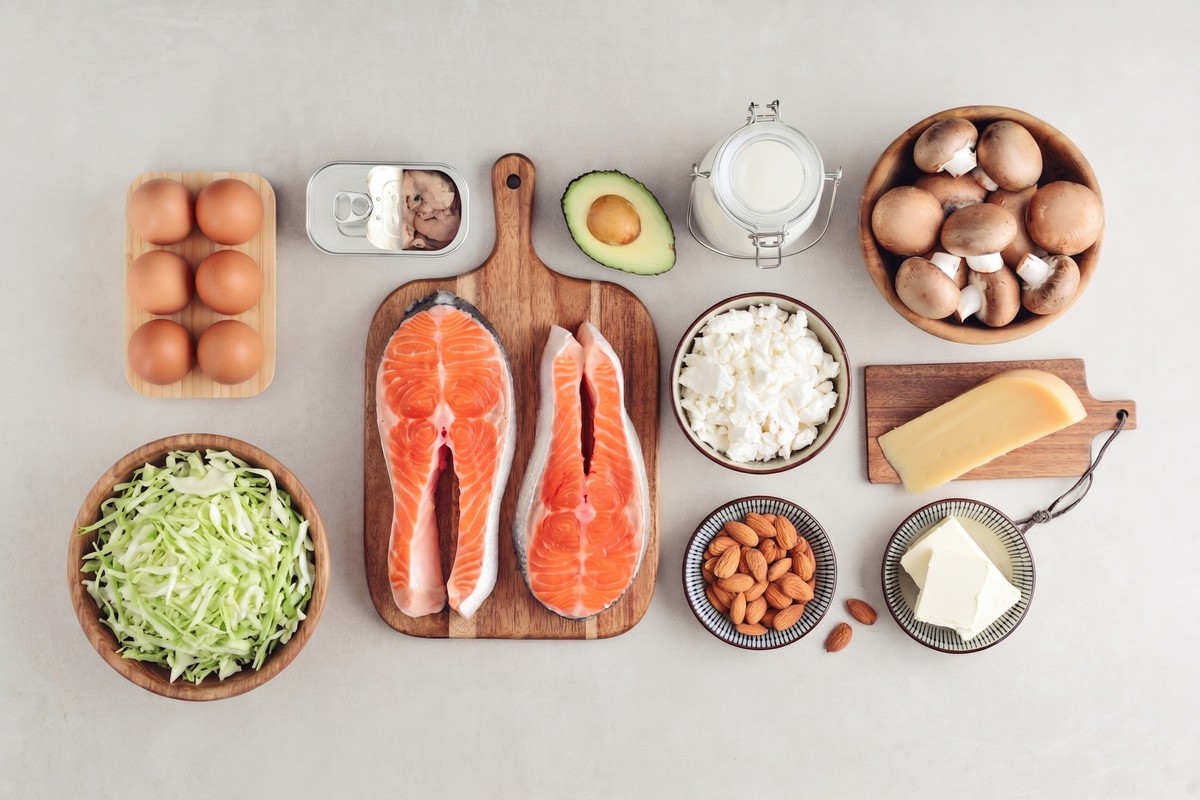
You can get calcium from a wide range of foods. Dairy like milk and cheese is an obvious source, and plenty of plant foods carry it too. Green leafy vegetables such as broccoli and cabbage count, though spinach is the exception, as it contains compounds that limit how much calcium your body can absorb. Soya beans, tofu, nuts, and fish with edible bones like tinned sardines all add to your intake as well.3
Vitamin D and calcium absorption
Calcium can only do its job if you have enough vitamin D. It is the nutrient that lets your body absorb and use calcium, so without it, even a calcium-rich diet does little for your bones. You will find some vitamin D in oily fish, red meat, and egg yolks, though getting enough from food alone is genuinely hard.4
From October to early March, sunlight in the UK is not strong enough for your body to make the vitamin D it needs. Through those months, the general advice is to consider a daily 10 microgram (400 IU) supplement. If you have been diagnosed with osteoporosis, your doctor may suggest a higher daily amount of 20 micrograms. It is worth raising at your next appointment rather than changing your intake on your own.5
Vitamin K and bone formation
Vitamin K plays a part in bone formation and repair by switching on certain proteins, including one called osteocalcin. You get vitamin K1 from leafy green vegetables. Vitamin K2 comes from fermented foods, meat, and dairy, and your gut bacteria make some of it too.7
Vitamin K gets a lot of attention for bone health, though the evidence behind K supplements does not hold up strongly enough for them to be recommended. Study results have been mixed, and current UK guidance does not back vitamin K supplements as part of managing osteoporosis. Getting your vitamin K from a varied diet is the sensible approach.8
A balanced diet as the foundation
A healthy, varied diet sits at the foundation of bone health. After an osteoporosis diagnosis, your GP is a good first point of contact for any questions about nutrition. Depending on what your diet already provides, they may prescribe calcium and vitamin D supplements alongside any other medication. Some needs are simply hard to meet through food alone, particularly vitamin D in the UK, which is why supplements are often part of the picture.10
If you have questions about your calcium or vitamin D intake after an osteoporosis diagnosis, bring them to your next GP appointment. Your doctor can look over your diet, work out whether supplements would help, and make sure anything you take fits with your other medication.