
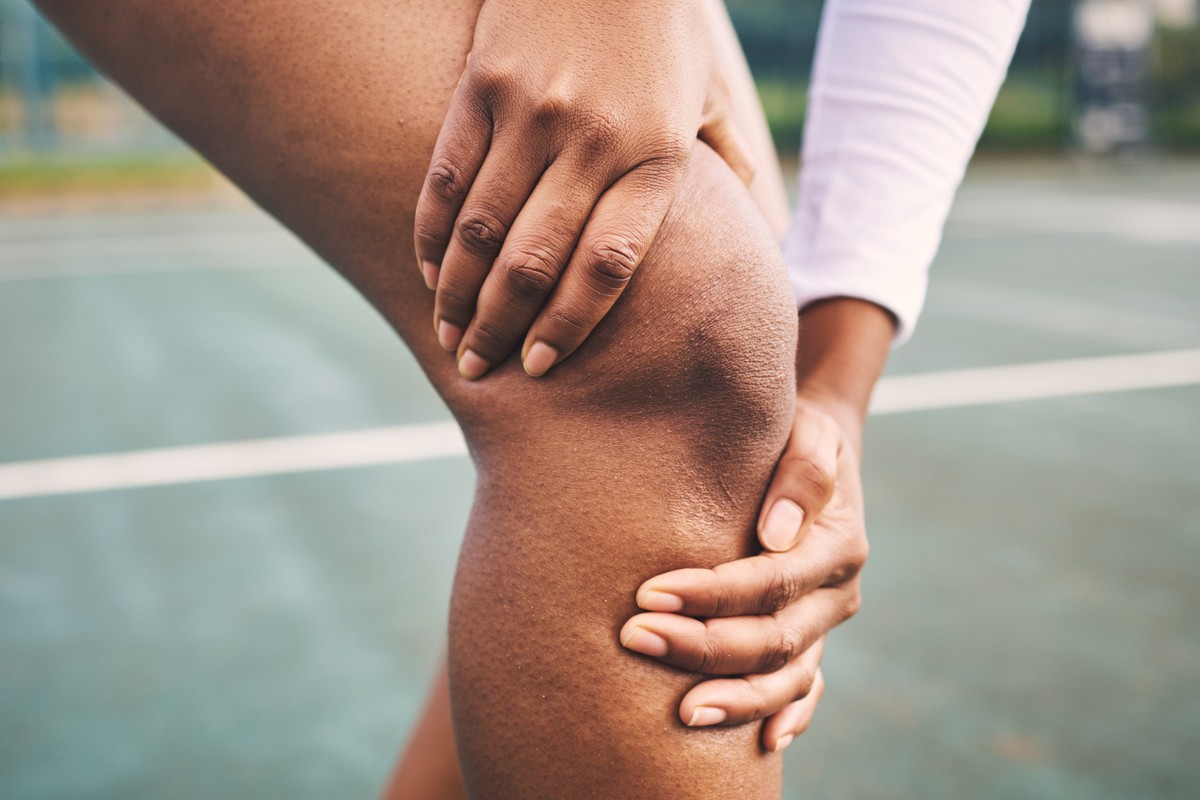
The stiffness when you get out of bed in the morning, the ache in your hands around a cup of tea, the knees that protest on the stairs. These can settle into a quiet background presence in a way they simply were not before. Joint pain is something a significant proportion of people notice during perimenopause and in the years after menopause, yet it is rarely the first symptom that gets talked about.9
How falling oestrogen connects to joint pain and inflammation
A lot of that aching and stiffness comes back to oestrogen. It has a calming, anti-inflammatory effect, and as levels fall through perimenopause and settle lower after menopause, that effect fades. You may notice more pain, more stiffness, and a greater sensitivity to discomfort than before.10
Your bones are part of the same picture, in a slightly different way. As oestrogen falls, bone loss speeds up, which raises your risk of osteoporosis over time. That makes the years after menopause a useful time to look after joint comfort and bone strength together, rather than one at a time.1
Which joints are most commonly affected
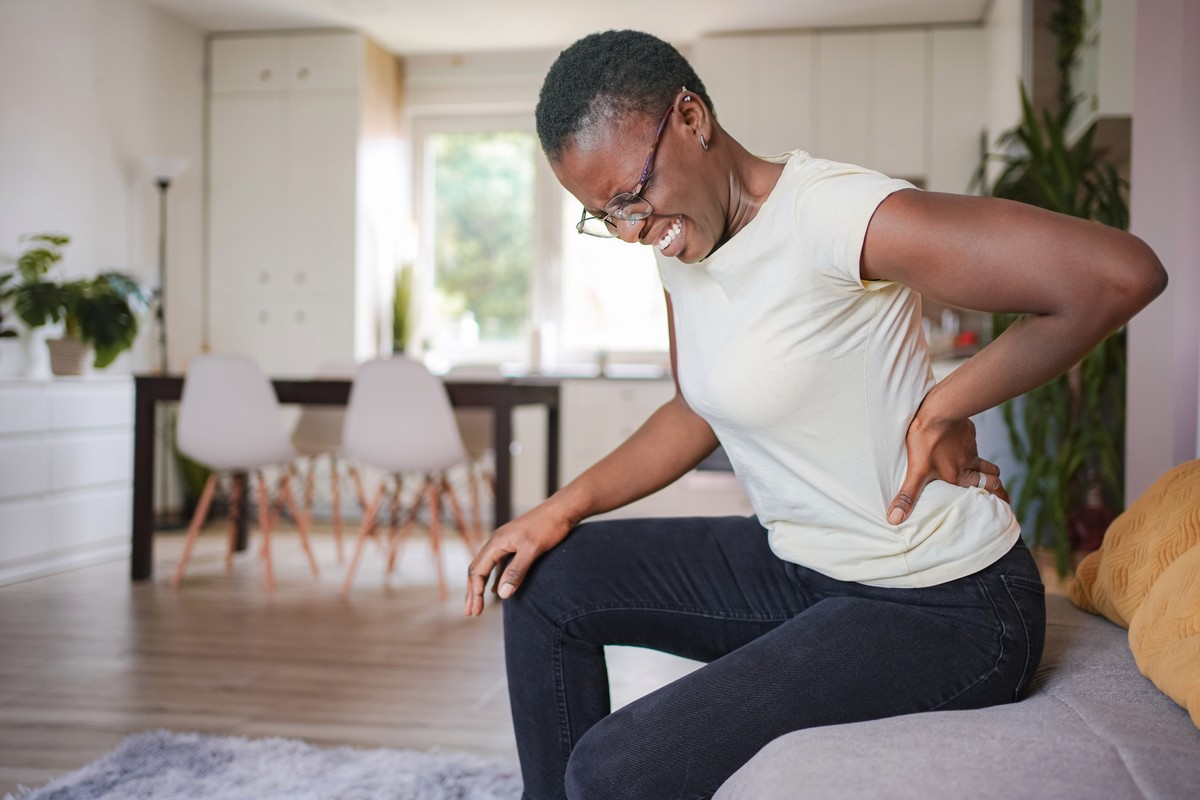
You tend to feel this kind of discomfort, sometimes called menopausal arthralgia, in your hands, wrists, knees, shoulders, hips, and lower back. It often feels general and shifting rather than fixed to one spot, and the stiffness tends to be at its worst in the morning or after you have been sitting still for a while.8
Thinking practically about the difference from arthritis
Menopause itself does not cause arthritis. The hormonal shifts can, though, worsen or bring out conditions like osteoarthritis, which becomes more common after 50. Knowing two separate things can be going on at once is useful context.2
Hormonal joint pain usually feels more widespread and changeable. Arthritic pain is often more stubborn, settled in particular joints, and can come with visible swelling or redness. This is general awareness, not a substitute for a proper assessment. If you are unsure what you are dealing with, a GP is a good place to start.3
Anti-inflammatory nutrition and joint comfort
What you eat can shift the level of inflammation in your body, and that can show up in how your joints feel. A pattern close to the Mediterranean way of eating, with regular oily fish, vegetables, fruit, whole grains, and nuts, can support joint comfort. If fish is not part of how you eat, walnuts, flaxseed, and chia seeds offer omega-3 too. Food works alongside other approaches rather than replacing medical care.11
Going lighter on ultra-processed foods, fried foods, refined sugar, and meats high in saturated fat may help keep inflammation lower. This lines up with general healthy-eating advice, so it supports your wider wellbeing as well as your joints.5
Strength training and movement as management
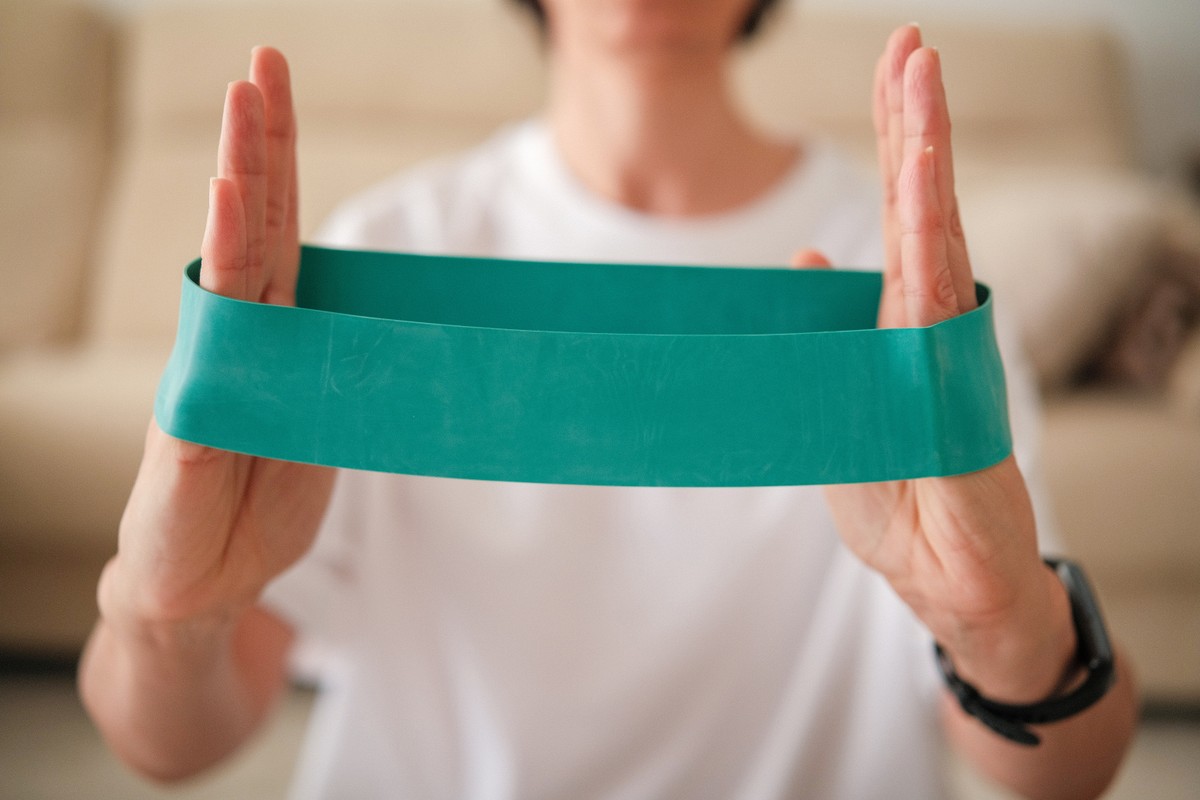
Regular movement is one of the most reliable ways to ease joint discomfort during menopause. Strength training a couple of times a week builds the muscle around your joints, which gives them more support, and helps hold onto bone density while it is naturally dropping. You can fit resistance work in at whatever level matches your fitness and how your joints feel right now.12
If higher-impact activity feels like too much, gentler options like swimming, cycling, yoga, and Pilates are kinder on your joints while still building strength, flexibility, and balance. If your pain is significant, it is worth talking to your GP or a physiotherapist before you start something new, so the approach fits your situation.7
When to seek support
If your joint pain is severe, sticks around, or starts to get in the way of daily life, it is worth a conversation with your GP. As well as looking into the cause, a GP can talk through the options. Hormone Replacement Therapy (HRT), which tops oestrogen back up, is one a GP may raise, since for some people that can settle the inflammation behind the discomfort. HRT suits some people and not others, and whether it is right depends on your own health history, so any decision is one to make together with a clinician.13
If your joint pain comes with a joint that is hot, swollen, or red, call NHS 111 or your GP promptly rather than waiting for a routine appointment.6