
If you manage diabetes, perimenopause can feel like the ground shifting under a system you had mostly learned to predict. Blood sugar swings turn up without a clear cause. Readings that once felt familiar stop making sense. Symptoms like hot flushes or a racing heart can be hard to tell apart from a low blood sugar level. Getting through the hormonal ups and downs of perimenopause is one part of it. Reaching post-menopause and working out what is different now is another.
Blood sugar unpredictability during perimenopause
Your blood sugar can become harder to read during perimenopause, and a lot of that comes down to shifting hormones. Oestrogen and progesterone rise and fall less predictably now, and if you manage type 1 or type 2 diabetes, those shifts feed straight into your readings. You may find your numbers swing fast from high to low with no obvious food or activity behind them.2
One thing that can catch you out is symptom overlap. Hot flushes, palpitations, and sweating are common in perimenopause, and they can look almost identical to the physical signs of a low. Checking your blood glucose more often through this phase helps you tell the two apart, so you are not treating a low that is not really there.3
What changes after menopause and what it means for diabetes management
Menopause is confirmed once you have gone 12 months without a period. From there, the hormonal picture changes in character. Oestrogen stops swinging so dramatically and settles at a new, steady low. The unpredictability of perimenopause may ease, though that sustained low oestrogen brings its own knock-on effects for managing diabetes.4
You may notice your blood sugar gets harder to manage even when your food and activity have not changed. Lower oestrogen lines up with reduced insulin sensitivity, which means the cells in your muscle and liver respond less readily to insulin. Where your insulin or medication needs once felt stable, they can start to drift. Any shift like this is worth raising with your diabetes care team rather than changing your treatment yourself.5
Lower oestrogen also tends to change where your body stores fat. More can gather around your middle, and this kind of fat is metabolically active in a way that can add to insulin resistance. This does not happen to everyone, and the degree varies, though it helps explain why blood sugar can feel harder to hold steady in post-menopause even when nothing else seems to have changed.6
Practical management in post-menopause
Regular blood glucose monitoring stays central through and after menopause. In post-menopause, your readings may settle into a steadier pattern than they had during perimenopause. Monitoring consistently gives you and your care team the information you need to make any adjustments to your plan.7
Post-menopause also raises the chance of some complications that sit across both diabetes and hormonal change. Heart disease risk climbs after menopause, and diabetes adds to it, so keeping an eye on your blood pressure and cholesterol matters more now. Bone health is worth attention too. Both low oestrogen and some diabetes-related factors can affect bone density, so getting enough calcium and vitamin D, through food first, is worth talking through with your GP.8
Hormone replacement therapy, insulin, and diabetes menopause considerations
Hormone replacement therapy (HRT) does not raise your risk of developing type 2 diabetes, and UK guidance does not flag it as harmful to blood glucose control if you already have type 2 diabetes. Having diabetes does not, on its own, rule HRT out as an option for you.1
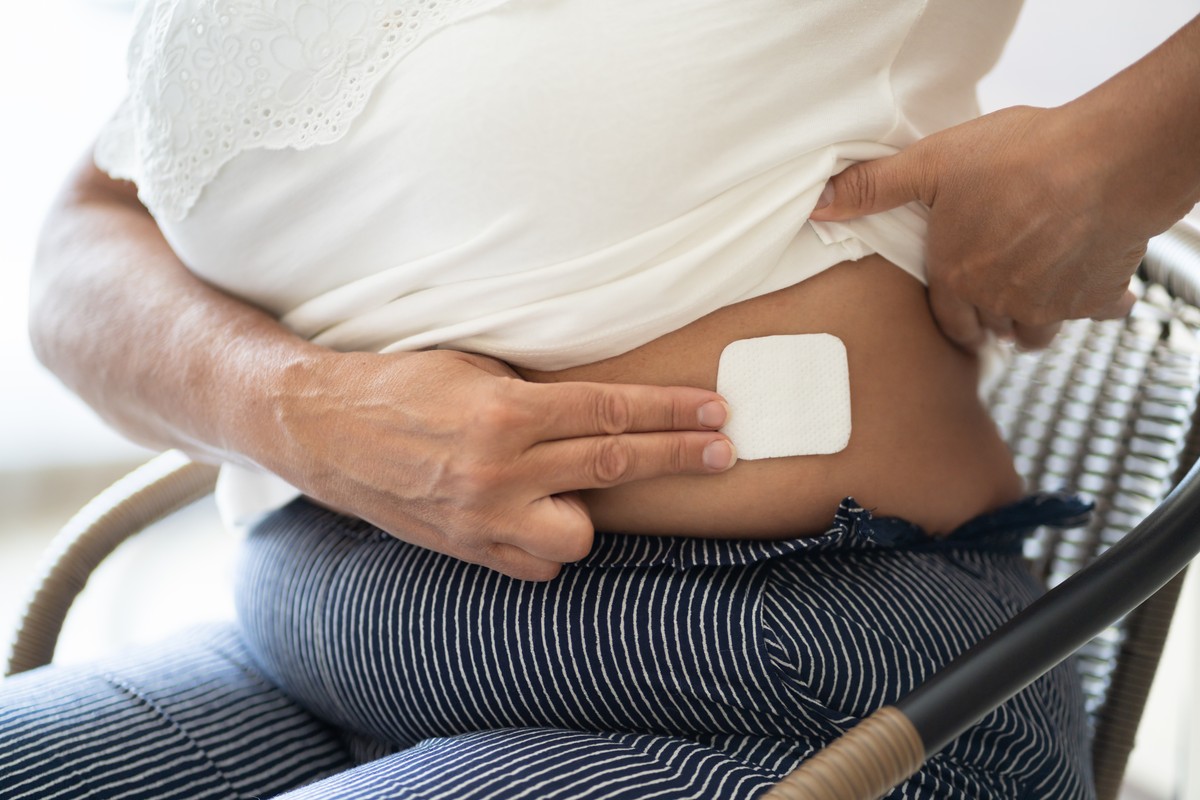
HRT, particularly the transdermal forms such as patches or gels, may help improve insulin sensitivity and support the abdominal fat changes that can come with this stage. This evidence is still developing and does not apply the same way to everyone. If you are weighing up HRT, or wondering how it might sit alongside your current diabetes management, that is a conversation for your GP or menopause specialist.9
When picking the best HRT formulation, transdermal oestrogen is generally preferred over oral oestrogen if you have obesity or diabetes. Oral oestrogen can raise the risk of venous thromboembolism (blood clots), which is already higher in these groups. It stays an important factor in deciding which type suits you, and that decision belongs with your clinician.10
If you have noticed changes in your blood sugar patterns, where you carry weight, or how well your current plan is working since perimenopause or post-menopause began, book a review with your GP or diabetes care team. A structured review can help you adjust your approach to match where your body is now.