

You wake at some point in the night, and you are not sure why. Sometimes there is a heat to it, a sudden flush that pulls you out of sleep. Other times you surface feeling cold, or with an ache in your muscles, or with a low restlessness you cannot name. Then there are the nights where nothing seems to explain it at all, and you are simply awake, heart beating a little faster than it should. If you are managing a thyroid condition and moving through perimenopause, this kind of unreadable sleep is one of the more frustrating parts of both, and working out where thyroid disruption ends and perimenopausal disruption begins matters for what you do next.
Why thyroid and perimenopause sleep problems create a tangled picture
The shifting hormones of perimenopause can affect how your thyroid works, and an underactive thyroid (hypothyroidism, where your thyroid makes too little hormone) is common around midlife. An underactive thyroid is around ten times more common in women than in men, and the chance of it rises with age. That timing means it often turns up right alongside the menopausal transition.1
Perimenopause and a thyroid condition share a lot of the same symptoms. Tiredness, mood changes, weight gain, and broken sleep all show up in both. Because they look so alike, thyroid symptoms can get put down to perimenopause rather than looked into on their own. If you are already in perimenopause, a thyroid condition that is just developing can go unnoticed for longer than it should.2
Telling the different waking patterns apart
Perimenopausal sleep trouble tends to come from fluctuating oestrogen and progesterone. You may wake often through the night and spend more time awake overall than you used to. The waking often comes with a sense of heat, a racing heart, or a wash of anxiety. Hot flushes are a big driver here. These vasomotor symptoms (the sudden heat and sweats) can pull you out of sleep and leave you alert and uncomfortable for long enough that getting back to sleep feels hard.3
Thyroid-related sleep disruption tends to feel different. If you are managing an underactive thyroid, you might sleep for a long stretch and still wake feeling unrefreshed, or wake because you feel cold or because your muscles ache, rather than because of heat. The tiredness that comes with hypothyroidism has its own quality, heavy and steady even after a good night. If your sleep trouble is less about being woken by heat and more about sleep never quite doing its job, that is worth raising with your GP.4
Waking with anxiety is common in perimenopause, and it can come with thyroid changes too. When you wake with a racing heart or a sense of dread and there is no obvious physical trigger like a flush, shifting hormones affecting your brain chemistry are a likely cause. A thyroid imbalance can bring on similar feelings. Telling the two apart from how it feels alone is not always possible, which is why testing matters.
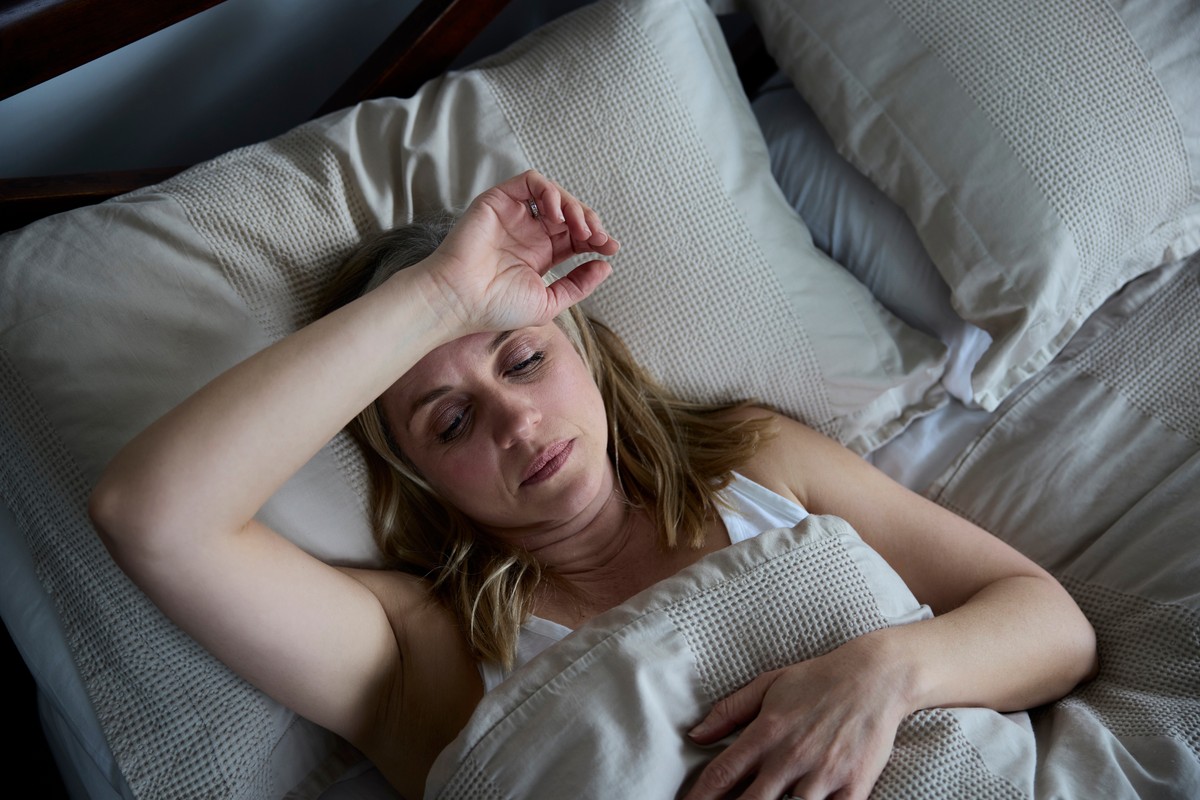
Why perimenopause is a higher-risk period for thyroid changes
The chance of developing a thyroid condition rises with age, and perimenopause is when the two are most likely to overlap. Because the symptoms blur together so much, a thyroid condition that develops during perimenopause can be harder to spot. If you are already in the perimenopausal transition and notice your usual thyroid symptoms shifting, or new symptoms appear that do not fit your usual pattern, that is a good reason to have your thyroid function checked.5
What helps each cause
For perimenopausal sleep disruption
For hot flushes and other vasomotor symptoms (the sudden heat and sweats) that break your sleep, hormone replacement therapy (HRT) is the recommended first-line treatment. Easing the flushes directly tends to improve sleep alongside them. Menopause-specific cognitive behavioural therapy (CBT, a structured talking therapy) is also recommended for sleep problems and low mood, and you can use it alongside HRT or on its own if you would rather not take HRT. CBT does less for the flushes themselves, so the right approach depends on which symptoms are affecting your sleep most.6
For thyroid-driven sleep disruption
The standard treatment for an underactive thyroid is a daily dose of levothyroxine. The aim is to bring your thyroid-stimulating hormone (TSH) levels back into the normal range. When your thyroid is well managed, many of the sleep symptoms that came with it tend to ease. Your GP will guide the dose and any adjustments, and because the right target can vary from person to person, treatment is monitored over time rather than fixed to a single number.7
Once you have a diagnosis of hypothyroidism, a yearly blood test to check your TSH is recommended, so your levothyroxine dose can stay right as your needs change.8
When to push for thyroid testing
You do not need to wait until your symptoms feel severe before asking about thyroid testing. There are a few situations where it makes sense to bring it up with your GP. If you have started HRT and your fatigue and brain fog have not lifted the way you expected, that is a prompt to ask whether a thyroid function test is worth doing, because symptoms that stick around after starting HRT can point to a thyroid issue underneath. UK guidance also suggests a GP may offer thyroid testing for unexplained anxiety or low mood, so perimenopausal mood symptoms that are not responding to other approaches are worth raising in the same conversation.9
If you already have a hypothyroidism diagnosis and your sleep has got noticeably worse during perimenopause, it is worth reviewing whether your current levothyroxine dose still fits, since the perimenopausal transition can change how your thyroid condition behaves.