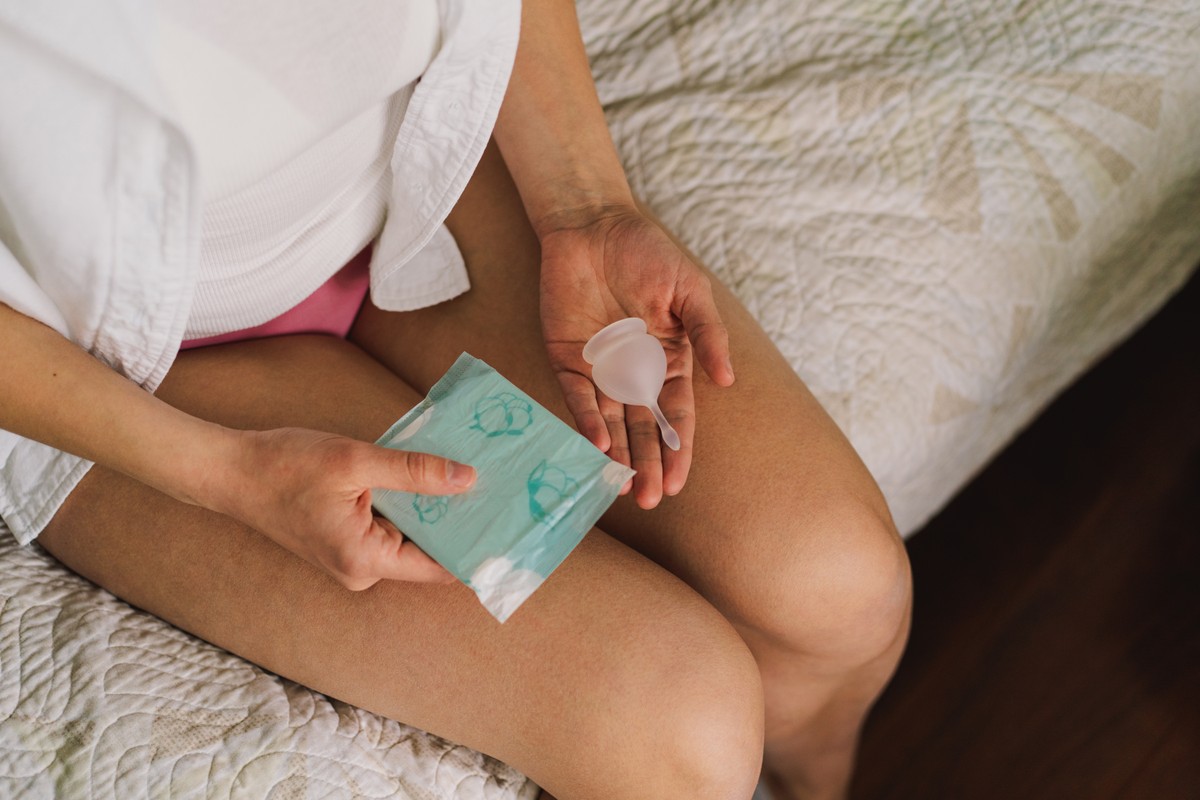
In the weeks after birth, you may find yourself wondering when your period will come back, and feeling unsure what it will even look like. There is no single timeline for when your period returns after birth. When your cycle does come back, it may feel different to what you knew before pregnancy. Understanding what is likely, and why, can make the uncertainty a little easier to sit with.6
The bleeding that comes before your period
Before your period returns, you will have a different kind of bleeding called lochia. This is your body shedding blood and tissue from the uterus after birth, and it is not a period. It usually lasts for up to six weeks, easing in colour and flow over that time, moving from red to pink to a pale discharge. Your period will only come back once lochia has stopped.7
How long it usually takes for your period to return
If you are formula-feeding, or mixing formula with breastfeeding, your period often returns around five to six weeks after giving birth. This is a general guide rather than a fixed date, and your own timing may fall outside that window and still be completely usual.8
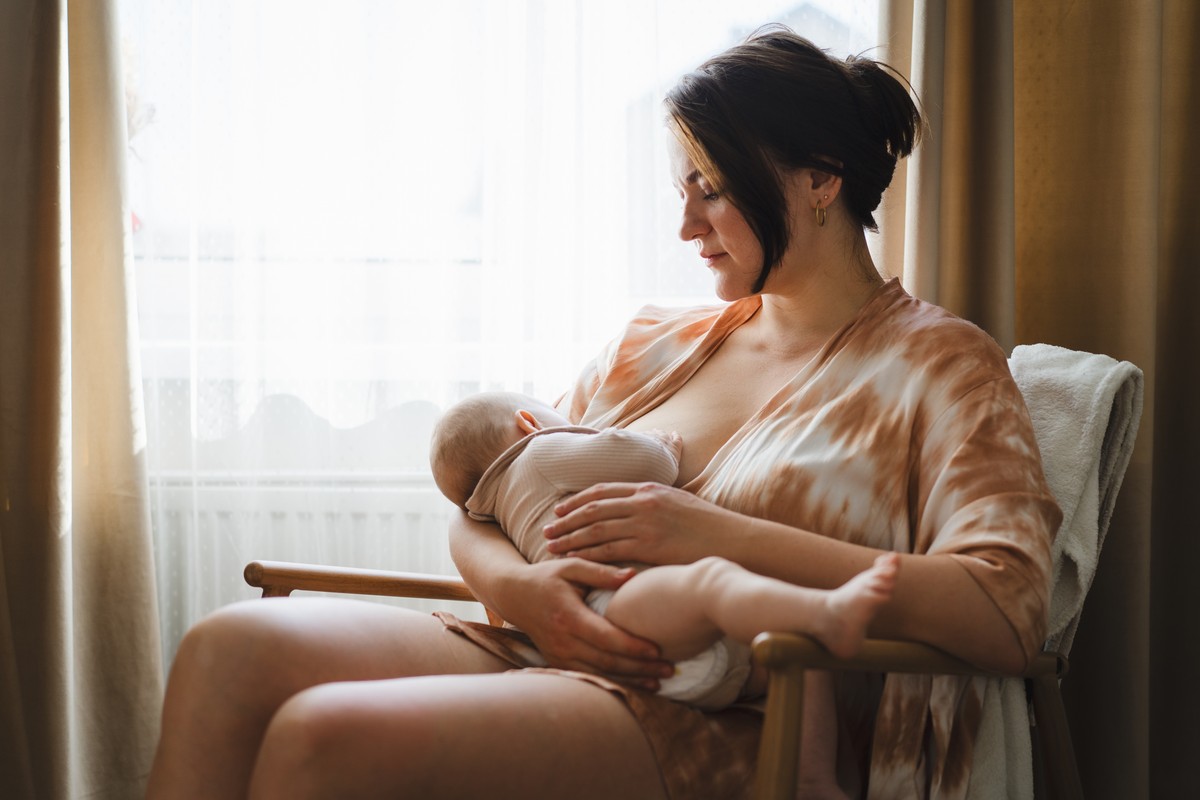
If you are breastfeeding exclusively, your period may stay away for many months. It may not come back until you stop breastfeeding or reduce how often you feed. This is a normal response to feeding your baby, driven by the hormones involved in making milk.9
How breastfeeding holds your period back
Breastfeeding delays the return of your periods due to prolactin, the hormone your body makes to produce milk. Prolactin quietens the hormones that trigger ovulation, and without ovulation, a period does not happen. This is sometimes called lactational amenorrhoea, which simply means the absence of periods while you are breastfeeding.2
As your feeding pattern shifts, prolactin levels can drop and ovulation may start again. If your baby begins sleeping through the night, starts solid foods, or feeds less often, those changes can be enough to bring your period back. You may notice your cycle returns around the time of one of these changes.3
What the first periods after birth may feel like
Your first few cycles after birth are often unpredictable in timing and flow. It can take several months for your cycle to settle into a steady pattern, especially if you are breastfeeding.5
Your periods may come back heavier and more painful than before, partly because the uterus has more lining to shed after pregnancy. You might find the opposite too, with lighter and more comfortable periods after giving birth. Both happen, and the picture varies a lot from person to person.4
Fertility before your first period returns
It is worth knowing that you can become pregnant again before your first period after birth arrives. Ovulation happens before a period, so your fertility can return before you see any sign that your cycle is back. This can happen as early as three weeks after birth.1
Keeping track of your returning cycle
Once your period does come back, noting the dates and any changes in flow or symptoms can help you build a picture of your new cycle. This is useful to share with your GP or midwife if you have questions, especially in the first few months when things tend to be unpredictable.
If you have questions about your cycle after birth, contraception, or any symptoms that feel unusual or hard to manage, your GP, midwife, or health visitor are the right people to speak to. You can also call NHS 111 if you need guidance outside surgery hours.