
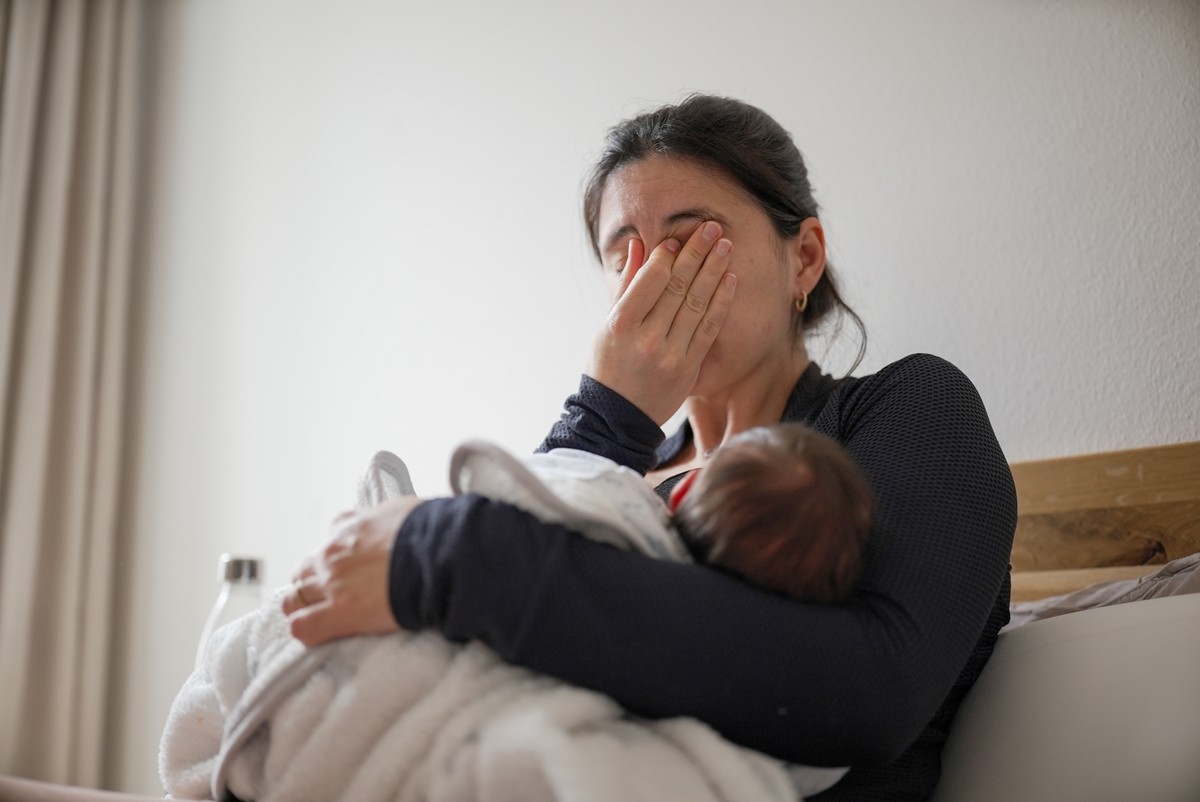
There is a particular kind of tiredness in the early postpartum weeks: the heaviness that sits behind your eyes, the way your limbs feel slow, the sense that sleep, when you finally get it, does not quite reach you. Most of that is expected. Your body has been through something significant, your nights are broken, and recovery takes time. When the tiredness does not ease as the weeks pass, or it comes alongside feeling low, unable to cope, or physically unwell in a way you cannot quite name, it gets harder to know what to do. Every possible explanation also reads as a normal part of new parenthood. Knowing the main causes of postpartum fatigue, and what sets one apart from another, is the first step towards knowing what to raise with your GP, midwife, or health visitor.9
What the early postpartum period does to your body
The early weeks after birth ask a lot of you, physically and emotionally. Feeling exhausted, sore, and uncomfortable while your body recovers is normal. On top of that recovery, the broken sleep that comes with caring for a newborn is one of the most immediate things draining your energy. Sleeping when your baby sleeps and building in gentle movement when you can both help, though they only go so far when your sleep is badly broken or stays that way for a long time.2
There is also the hormone shift that comes straight after birth. It can leave you feeling low, emotional, and tired for a short stretch, usually in the first three to five days. This is sometimes called the baby blues, and it tends to pass within a few days. If low mood and exhaustion carry on past that point, or come back after a spell of feeling better, it is worth paying attention to what else might be behind them.3
When low iron is causing the tiredness
If your tiredness sits heavy and does not lift, especially after losing a lot of blood during delivery, low iron can be part of it. Iron-deficiency anaemia is one cause worth ruling in or out. If you lost a considerable amount of blood during or after birth and your energy has not picked up, it is worth asking your midwife or GP about a blood test. They can check your haemoglobin, the protein in your blood that carries oxygen, and if it is low, support usually means iron supplements and some guidance on food. This is one of the more straightforward causes to look into.4
How your thyroid can shape postpartum fatigue
Sometimes the tiredness traces back to your thyroid. Postpartum thyroiditis is inflammation of the thyroid gland, the small gland in your neck that helps set your energy levels, and it can develop after birth. It can leave the thyroid underactive (hypothyroidism), which drags your energy down. This is its own condition with a clear diagnosis, separate from the general hormone settling that follows birth.5
If you already manage a thyroid condition, it helps to know that postpartum thyroid changes can overlap with your usual symptoms, add to them, or be mistaken for them. Tiredness, feeling the cold, low mood, and a foggy, slow head can all show up in postpartum thyroiditis and in other postpartum hormone shifts. That overlap does not make them the same thing. Telling thyroid function apart from the other causes needs specific testing, and your GP can arrange it. If you have a thyroid condition already, let your care team know how your symptoms have changed since birth so they can decide whether your thyroid management needs a review.
How your hormones keep settling after birth
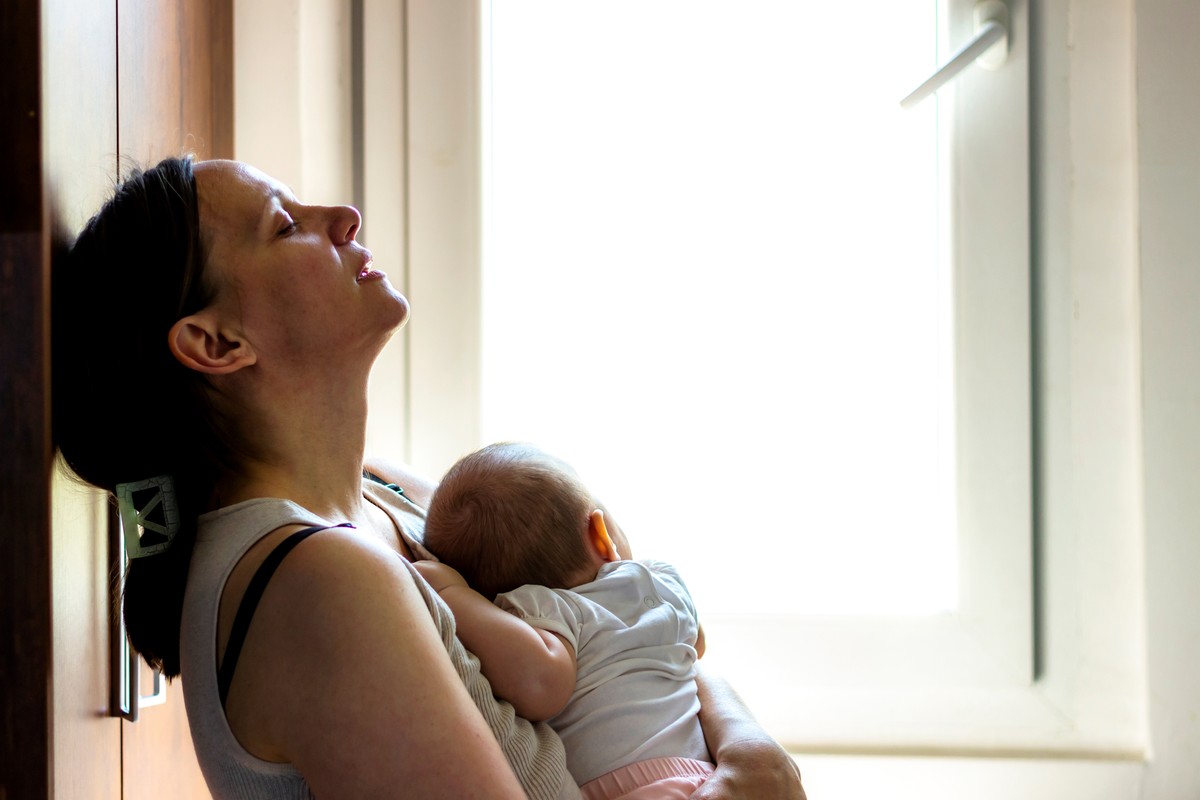
Past the brief baby blues window, your body keeps adjusting its hormones for several weeks after birth. These shifts are part of normal recovery, and they can feed into fatigue, mood changes, and broken sleep in ways that are hard to separate from the tiredness of the newborn weeks themselves. This kind of hormonal settling sits in the background rather than being a condition of its own, though it is worth knowing it is part of the picture.
When fatigue signals postnatal depression
Tiredness that lingers can also be part of postnatal depression (PND), especially when it comes with feeling down or hopeless and losing the pleasure in things you would normally care about, even when you do get the chance to rest. Between 10% and 20% of women develop a mental health condition during pregnancy or in the first year after birth, and PND is the most common.6
PND is a medical condition with a clear diagnosis and established treatments. If tiredness that does not lift with rest is part of a wider pattern, with persistent low mood, loss of interest, or a sense that things will not get better, it is worth talking to your GP or health visitor. There are well-established and effective ways to support you, and reaching for that support early makes a difference.7
Your GP or midwife needs enough information to tell the possibilities apart before they can point you towards the right path. The more clearly you can describe what you are going through, including what has changed, when it started, and what else is happening alongside the tiredness, the more useful that conversation will be.
When to ask for testing and where to start
If your fatigue keeps going and broken nights alone do not seem to explain it, raise it with your GP or health visitor before things feel urgent.
The 6-week postnatal check is a set point to talk through both your physical and emotional wellbeing. It is a good moment to mention fatigue, low mood, and any physical symptoms that have stuck around. If your tiredness feels significant before then, you do not have to wait for it.1
If you lost a lot of blood during delivery and your energy has not bounced back, it is worth asking your GP or midwife directly whether your iron levels have been checked. If you have a thyroid condition already, ask about thyroid function testing after birth. Your care team can advise what makes sense based on your own history.8