

The months after birth can bring a kind of exhaustion that is hard to separate from everything else going on. Broken sleep, recovery, a body that feels like it is still catching up. For most people that gradually lifts. But for some, certain symptoms persist or appear in a way that feels different. A low mood that does not shift, a racing heart, a sensitivity to temperature that comes and goes without explanation. If that sounds familiar, it is worth knowing that the thyroid can be part of what is going on. Postpartum thyroiditis is an inflammation of the thyroid that can develop in the first year after birth and affects around 5 to 10% of women. Because its symptoms look so much like general postpartum recovery, it often goes unrecognised for longer than it should.12
Why postpartum thyroiditis often appears months after birth
During pregnancy, your immune system naturally quietens to protect your baby. After birth, it becomes active again, and for some women that shift triggers inflammation of the thyroid. This usually becomes noticeable somewhere between one and six months after birth, which is often when the demands of new parenthood are at their heaviest and symptoms can be easy to put down to exhaustion and adjustment.1
The condition is autoimmune, meaning the immune system starts to affect thyroid tissue once it is no longer suppressed. If you have thyroid peroxidase (TPO) antibodies, which are sometimes picked up through thyroid testing during pregnancy, or if you have type 1 diabetes, you are more likely to develop postpartum thyroiditis. If you are not sure whether you have been tested for TPO antibodies, it is worth asking your GP, particularly if you are experiencing symptoms.2
What postpartum thyroiditis can feel like
Postpartum thyroiditis can follow two phases, though not everyone goes through both. You may experience only one, or both in sequence.13
When the thyroid is overactive (hyperthyroid phase)
The first, if it occurs, usually develops around one to four months after birth. When the thyroid becomes overactive, it releases too much hormone, and you might notice a heart that feels like it is racing for no reason, a restlessness or anxiety that is hard to settle, unexpected weight loss, or feeling consistently too warm. It can feel like your nervous system is running slightly too fast. This phase is usually mild and tends to settle on its own without treatment, though if palpitations are particularly troublesome your GP may occasionally prescribe something to help manage them.3
When the thyroid becomes underactive (hypothyroid phase)
The second phase typically arrives around four to eight months after birth, when thyroid hormone output drops. This is often the harder one to recognise because it can feel so much like ordinary postpartum exhaustion. A tiredness that sleep does not touch, a low mood that sits just below the surface, feeling cold when others are not, difficulty concentrating, weight gain, dry skin. If you are already managing a thyroid condition, some of these will be familiar — but it is worth not assuming your existing medication accounts for them. A thyroid function test with your GP can show whether something has shifted.4
When symptoms are significant, your GP may prescribe levothyroxine to bring levels back into range. Any decision to start, adjust or stop it is made by your GP based on your results and how you are feeling, and treatment is typically reviewed after six to twelve months to see whether your thyroid has recovered on its own.14
Why postpartum thyroiditis can look like postnatal depression
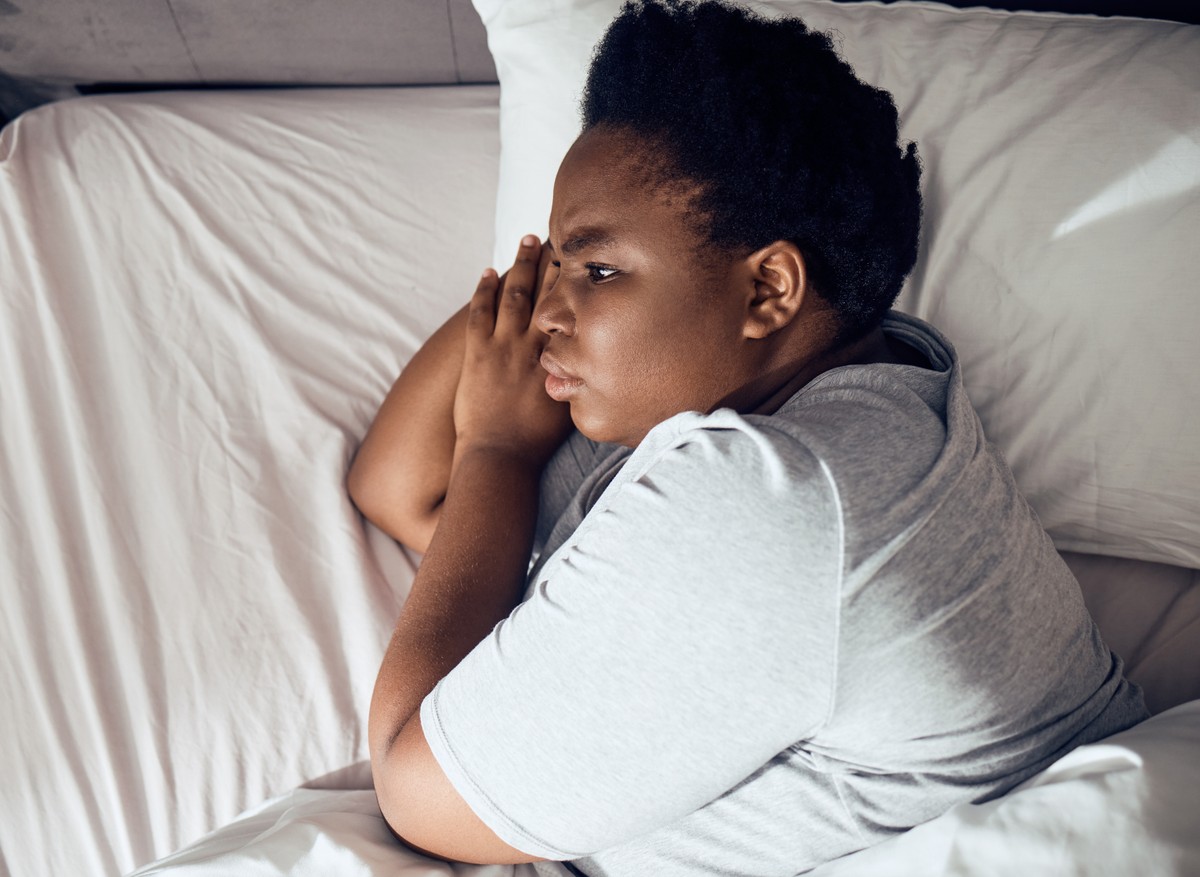
The hypothyroid phase and postnatal depression can feel very similar from the inside. Low mood, exhaustion, difficulty concentrating, a sense of detachment, feeling like you are not quite coping. If you are experiencing any of those things, it matters less right now which one it is and more that you get support. Both are real, both are worth taking seriously, and both can happen at the same time. A thyroid function test can help your GP understand what is going on, but it does not need to come before you ask for help.5
How to tell the difference, and why a GP needs to investigate both
No list of symptoms can reliably separate postpartum thyroiditis from postnatal depression, and both can be present at the same time. What can help your GP look further is physical symptoms that are harder to explain through mood alone; unexpected weight changes, a persistent sensitivity to cold or heat, palpitations, hair loss, or dry skin. These are worth mentioning alongside how you are feeling emotionally. A thyroid function test, which looks at thyroid-stimulating hormone (TSH) and free T4, can be arranged alongside an assessment for postnatal depression. You do not have to choose between the two, your GP can look at both.67
If you have TPO antibodies, thyroid function testing at six weeks and six months after birth is recommended. If you are not sure whether you have been tested for TPO antibodies, it is worth mentioning to your GP at your postnatal appointment.1011
What to expect going forward
For most people, postpartum thyroiditis resolves on its own within twelve to eighteen months, and knowing that can make the harder months feel more manageable. Around 20 to 30% of those who go through the hypothyroid phase do go on to develop permanent hypothyroidism, which needs ongoing treatment. Your GP will monitor your thyroid function over time to confirm that things have settled, and it is worth keeping those follow up appointments even when you are feeling better.8
If you have had postpartum thyroiditis before, it is more likely to happen again with a subsequent pregnancy, and your longer term risk of developing hypothyroidism is also higher. Letting your GP know about a previous episode means the right monitoring can be arranged from early on. You have already been through it once, knowing what to look for makes a difference.9